Classic Textured Bixie
Bob-inspired softness around the perimeter with shorter, lighter layers through the crown and back.
A bixie lives between two of the most popular short haircuts: the pixie and the bob. It keeps more softness, movement and perimeter than a traditional pixie, but removes enough length to feel lighter and easier than a classic bob. Explore 12 bixie variations, then see RaDona create the cut on real salon clients.
Decide which feature matters most: front length, crown lift, tuckability, texture, easy grow-out or keeping enough hair to change the styling.
Bob-inspired softness around the perimeter with shorter, lighter layers through the crown and back.
Additional length around the ears and front makes this one of the easiest versions for someone nervous about going short.
One side stays longer while the opposite side or back becomes distinctly shorter.
Keeps more visual density than an aggressively layered bob while removing enough length to support crown lift.
Ideal when you are moving shorter gradually and do not yet want the tight sides and back of a traditional pixie.
Adds more internal movement while preserving enough perimeter to keep the haircut from reading as a classic pixie.
The difference is usually created through front length, nape length, crown layering, bangs and how much of the bob perimeter remains.
Soft bob-inspired front pieces with a lighter, shorter back and layered crown.
Piecey layers create visible separation and a more casual finish.
Keeps additional length around the ears, sides and sometimes the neckline.
Preserves longer fringe that can sweep, part, tuck or soften the forehead.
Controlled layering creates lift while stronger edges preserve visual density.
Shorter crown layers add lift while the front remains noticeably longer.
Uneven front or side lengths give the hybrid shape more visual direction.
Keeps enough side length to sit behind the ear while the back stays light and short.
Lets natural bend create movement rather than styling the haircut completely straight.
Keeps enough length for curl formation while removing the heavy outline of a full bob.
A modern layered silhouette that allows natural silver color and dimension to remain visible.
Looser layering and a wispy neckline make the cut less dependent on a sharply maintained outline.
Think of the bixie as the middle of the short-hair spectrum: softer and longer than a pixie, lighter and shorter than a bob.
Tightest through the nape and sides, with most of the styling length concentrated on top.
Keeps more bob-like softness around the face and ears while using pixie-style layering and a lighter back.
Keeps the strongest perimeter and the most overall length, often from jaw level down toward the collarbone.
| Feature | Pixie | Bixie | Bob |
|---|---|---|---|
| Overall length | Shortest | Short / medium-short | Medium-short |
| Front length | Usually limited | Often preserved | Most preserved |
| Crown lift | Strong | Strong to moderate | Depends on layering |
| Tuck behind ear | Sometimes | Often | Usually |
| Grow-out | Most noticeable | More forgiving | Usually most forgiving |
| Styling flexibility | Moderate | High for short hair | Highest |
This is one of the hybrid's biggest advantages. A pixie may feel too short, while a full bob can leave fine hair hanging flat. A bixie removes some of that weight while keeping softness around the face.
The hybrid shape gives thick and textured hair room to move. The key is removing interior bulk without thinning the outer perimeter into wispy ends.
These transformations show why “bixie” is useful language: the final shapes genuinely combine features from both haircut families.
▶
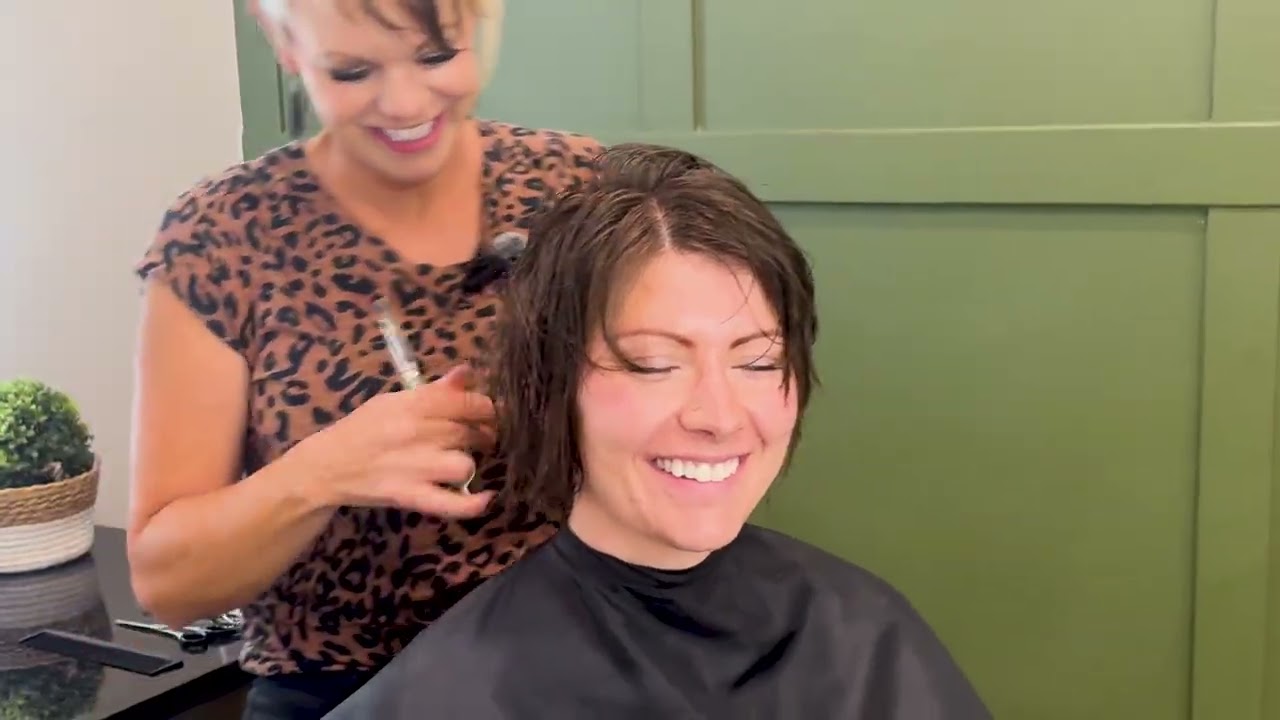
RaDona deliberately creates a modern bixie with bob structure, pixie lightness, movement and texture.
Watch Kylie's bixie
▶
A much bolder interpretation with dramatic side-to-side length differences.
Watch Jill
▶
Longer side pieces create more bob-like softness while the back stays shorter and lighter.
Watch the transformation
▶
Useful for seeing how shorter crown structure can coexist with a softer bob-like perimeter.
Watch the tutorial
▶
A useful transformation if you are deciding whether to stop at bixie length or continue all the way to a pixie.
Watch the transition
▶
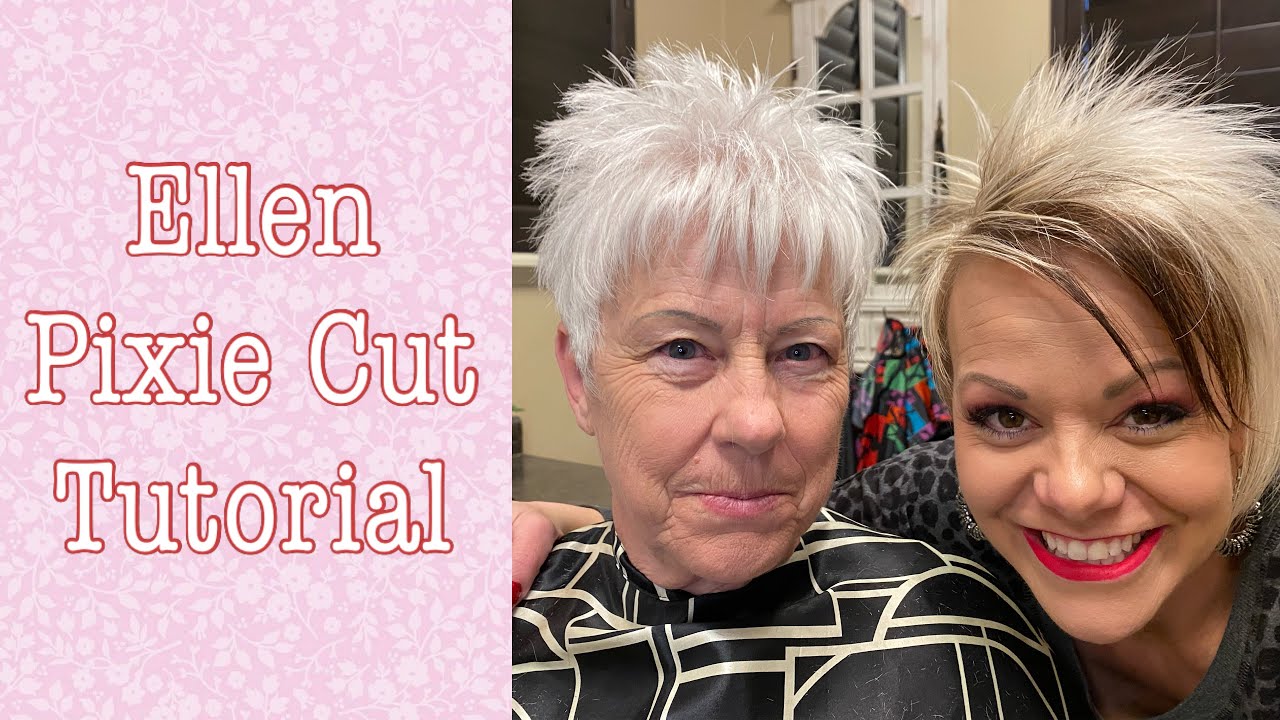
Demonstrates how the hybrid proportions can be adapted to mature texture and easier styling.
Watch the haircutDensity, gray pattern, face framing and maintenance priorities often matter more over time than the name of the haircut.
A strong choice when you want more lift than a bob but still prefer softness around the face.
Hairstyles over 50Shorter crown layers can support volume while longer front pieces keep the result soft.
Hairstyles over 60A softer alternative when a tight pixie feels too short and a full bob feels too heavy.
Hairstyles over 70Because a bixie keeps more front length than many pixies, it can be adjusted easily through fringe, tucking and side pieces.
Most bixie proportions work. Choose primarily by density, texture and how short you want the back.
Crown lift and a slightly longer, diagonal front can create more vertical movement.
Soft layers and longer front pieces can reduce a hard line around the jaw.
A tuckable bixie with softness near the jaw can balance a wider forehead.
Keep crown height controlled and use fringe or side volume to create more horizontal balance.
Longer fringe and face-framing side pieces can complement prominent cheekbones.
You can tuck it, sweep it, add piecey texture, wear it smoother, build crown lift or let natural wave create the movement.
Hybrid haircut names can mean different things to different stylists. Show the exact silhouette and identify the pieces you want to preserve.
Decide whether the back should be tight like a pixie or soft and wispy like a short bob.
Decide whether you want the hair to cover the ear, sit over it or tuck behind it.
Longer bangs are one of the easiest ways to keep a bixie softer than a traditional pixie.
Ask whether the haircut will naturally grow toward a bob or need reshaping to stay bixie length.
Bixie intent naturally overlaps both Pixie and Bob. These pages help you understand where you want to land on the spectrum.
The name matters less than the exact length you keep around the front, sides and neckline.
A bixie combines characteristics of a pixie and a bob. It is generally shorter and more layered than a traditional bob but keeps more perimeter and face-framing length than a classic pixie.
A pixie is typically tighter around the sides and back. A bixie preserves more length near the ears, front or neckline, creating a softer and more bob-like silhouette.
A bob usually has a stronger continuous perimeter and more overall length. A bixie removes more weight, introduces shorter layers and usually exposes more of the neckline.
It can be. Shorter crown layers can make lift easier while the longer perimeter preserves softness. The stylist should avoid excessive thinning if density is already low.
Yes. A bixie can be an excellent middle ground for mature hair, especially when a bob feels heavy but a short pixie feels like too much of a change.
Many bixies can be reshaped around every six to eight weeks. Shorter napes or highly structured versions may need attention sooner, while softer long bixies can grow out more gradually.
Want it lighter, shorter and easier? Lean toward Pixie. Want more perimeter, length and styling flexibility? Lean toward Bob. Want the middle ground? Bring Kylie's transformation to your stylist and use it to define your own bixie.