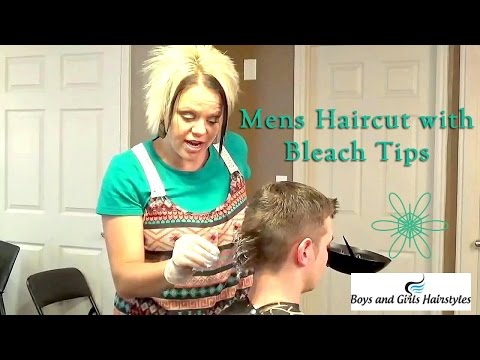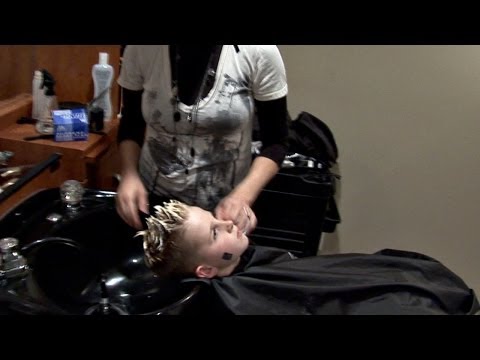
Watch: A Strong Boys Bleach Tutorial from the Channel
The live page opens with the promise that the process is easy, but the redesign works better when readers can actually watch one of your channel tutorials right away. That makes the page feel more helpful and more credible.
What to Know Before You Start
Your live page already covers the most important warnings: bleach uses strong chemicals, can irritate the scalp, and may need more than one session on darker hair. Those points are good. This redesign just makes them clearer and more practical for parents.
What You Need for the Process
The current page names the basics clearly: bleach powder, developer, toner, bowl, gloves, and sectioning clips. Those are the right foundation for a simple at-home setup.
- Gloves
- Bleach powder
- Developer
- Mixing bowl and brush
- Clips for clean sectioning
- Toner if needed after lifting
- Conditioner or moisturizing treatment for aftercare
Simple Step-by-Step Process
The live page already gives a straightforward process: prep, section, mix, apply, rinse, tone, and style. The new version just makes the flow easier to scan and a little safer in tone.
- 1Prep the hair and spaceWork in a well-ventilated area, protect clothing, and make sure the hair is ready to be sectioned cleanly.
- 2Section the hairClip the hair so you can work evenly and avoid overloading one section while missing another.
- 3Mix according to product directionsThe live page describes mixing bleach powder and developer to a paste-like consistency. Follow the product directions carefully instead of guessing proportions.
- 4Apply only where you want liftFor beginners, that often means tips, surface highlights, or short accent sections rather than every strand.
- 5Rinse and tone if neededOnce the hair reaches the desired lift, rinse thoroughly and tone only if needed to soften unwanted warmth or brassiness.
- 6Condition and style gentlyThe first styling session after bleaching should focus on moisture and a soft finish, not intense heat or aggressive product use.
The Best Bleach Looks for Boys
Not every boy needs a full bleach transformation. These are the easiest categories to present well on the page because they feel realistic for parents and more wearable for everyday life.
How to Maintain Bleached Hair Afterward
The live page adds a second “Ultimate Guide” section that is actually useful: it recommends conditioning treatments, sulfate-free products, and regular trims. Those are the right aftercare basics and deserve to stay in the redesign.
- Use conditioner consistently after bleaching.
- Choose sulfate-free shampoo and conditioner when possible.
- Trim regularly if the ends start to feel dry or rough.
- Go easier on heat styling right after bleaching.
- Use toner thoughtfully if the hair turns brassier than expected.
When It Makes Sense to See a Professional
| Situation | Better choice | Why |
|---|---|---|
| Very dark hair with a goal of pale blonde | Professional help | More lift often means more complexity, and professionals can manage tone and condition better. |
| History of scalp sensitivity | Professional help or skip it | Bleach is not worth forcing if irritation is likely. |
| Simple tip highlights | DIY can work | This is one of the most manageable entry-level options for parents. |
| Unsure about placement or tone | Start smaller or get help | A more conservative first step is usually easier to correct later. |
Featured YouTube Videos to Build This Page Around
These are the strongest channel matches for the page because they stay close to boys hair bleaching, short-hair highlighting, and easier targeted lightening instead of drifting into unrelated color content.