Modern Pixie
Remove excess weight, expose the neckline and let the haircut build much of the daily shape for you.
Your 50s can bring changes in density, texture, gray coverage and styling preferences — but they do not require one particular haircut. Compare modern pixies, bobs, shoulder-length cuts and long layers, then watch RaDona create similar shapes on real salon clients.
Start there. Then use density, texture, face shape and your real morning routine to choose the exact version of the haircut.
Remove excess weight, expose the neckline and let the haircut build much of the daily shape for you.
Keep softness around the face while broken-up ends and layers prevent the shape from feeling heavy.
A useful middle ground when you want movement and a cleaner perimeter without committing to short hair.
Removing unsupported length can move the visual weight upward and help existing hair look more substantial.
There is no rule saying your 50s should mean conservative hair. Asymmetry can create a strong modern silhouette.
If your hair still has enough density, longer hair can remain beautiful, modern and completely appropriate after 50.
This is more useful than scrolling through sixteen unrelated pictures. First decide whether you want lift, perimeter, movement, easier styling or to preserve length.
A dramatic chop, asymmetry or short textured cut does not become inappropriate because of a birthday. Choose the haircut that feels most like you.
Explore 15 short cuts
Fine hair describes strand diameter. Thinning describes reduced density. Either can make longer hair appear flatter when too much unsupported weight is hanging from the root.
A haircut cannot create new follicles. What it can do is move visual weight upward, preserve a stronger perimeter and make the existing hair easier to lift.
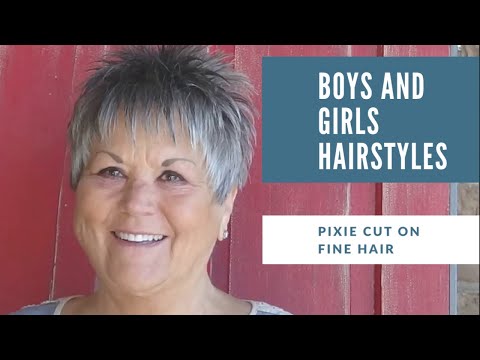
Here the thumbnail is useful because it connects directly to an actual RaDona client and a complete transformation you can watch from start to finish.
▶
A modern textured short cut with strong shape and plenty of movement through the crown.
Watch Rochelle
▶
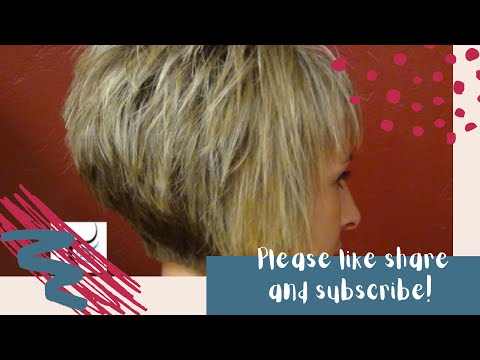
A useful example of adding movement while keeping enough length to maintain softness around the face.
Watch DeeAnn
▶
A reminder that modern, edgy haircuts are not reserved for women in their 20s and 30s.
Watch ShelleyThe idea that every woman should cut her hair short after 50 is not useful. Healthy longer hair can remain beautiful and modern.
The better question is whether the length still contributes to the hairstyle or whether it has become weight that drags the overall shape downward.
Fringe, crown height, side volume and front length can usually adapt a haircut family you already love.
Most lengths work. Let texture, density and maintenance lead.
Crown lift and diagonal movement can create more vertical balance.
Soft layers and side fringe can soften a stronger jawline.
Length and softness near the jaw can balance a wider forehead.
Use fringe and side volume rather than excessive crown height.
Softness near the forehead and jaw balances stronger cheekbones.
Sometimes that question gets you to the right haircut faster than choosing a style name.
A deliberate shape can make emerging silver look like part of the style rather than unfinished color.
Hair color over 50Fringe and hair around the ears should cooperate with your glasses rather than pile around them.
Hair & glassesNatural wave and curl can provide lift and softness without requiring daily heat styling.
Curly pixie guideLet the underlying haircut create the silhouette before the dryer or iron comes out.
Short hairstylesMature, colored and fine hair can become more vulnerable to repeated high-temperature styling.
Heat protectionAsk what the haircut will look like four, six and eight weeks after the appointment.
Salon consultationCompare the tradeoffs before falling in love with a photograph.
| Cut | Length | Main Strength | Good Starting Point For | Styling |
|---|---|---|---|---|
| Pixie | Very short | Lift + speed | Fine hair, easy routine | Usually fastest |
| Choppy Bob | Jaw / chin | Texture + movement | Short without going pixie | Fast to moderate |
| Stacked Bob | Jaw / chin | Structural fullness | Fine-to-medium hair | Moderate |
| Lob | Collarbone | Versatility | Women unsure about going short | Moderate |
| Long Layers | Below shoulder | Preserves length | Hair with enough density | Usually more involved |
“Pixie” and “bob” can each describe dozens of different shapes. Real examples give your stylist far better information.
Decide how much you want around the ears, neck, jaw and shoulders.
Explain whether volume, density, heaviness or styling time is the priority.
Your actual morning routine should influence the haircut recommendation.
Know what happens to the shape before your next appointment.
This parent page helps you choose. The child pages answer the detailed questions.
Your age provides context. Your actual hair and routine make the final decision.
There is no single best haircut. Pixies can create lift and simplify styling, bobs preserve more face-framing length, and lobs or long layers remain excellent choices when your density supports longer hair.
No. Short hair can be flattering and practical, but age alone is not a reason to remove length.
Blunt bobs, pixies, stacked bobs and carefully layered short cuts are useful starting points because they preserve a stronger outline and can reduce weight pulling from the roots.
Yes. A bob can be blunt, choppy, stacked, layered, inverted or asymmetrical depending on your density, face shape and styling preferences.
Absolutely. Long hair can remain beautiful after 50 when the ends are healthy and the density supports the length.
Bring one or two real examples and identify exactly what you like: neckline, bangs, crown height, front length and overall maintenance level.
If short hair is winning, go into the dedicated Short Hairstyles Over 50 guide. If density is the real concern, go directly into the Fine Hair Over 50 guide.