Strong A-Line Bob
A strong perimeter and controlled angle can make fine hair appear much more substantial.
“Bob” describes an entire family of haircuts. A blunt bob, stacked bob, layered bob, A-line, asymmetrical bob and lob can look completely different — and solve completely different hair problems. Start with what you want your haircut to do, then see RaDona create these shapes on real salon clients.
The best bob becomes much easier to choose once you know whether you need density, crown volume, movement, easier styling or simply a shorter length.
A strong perimeter and controlled angle can make fine hair appear much more substantial.
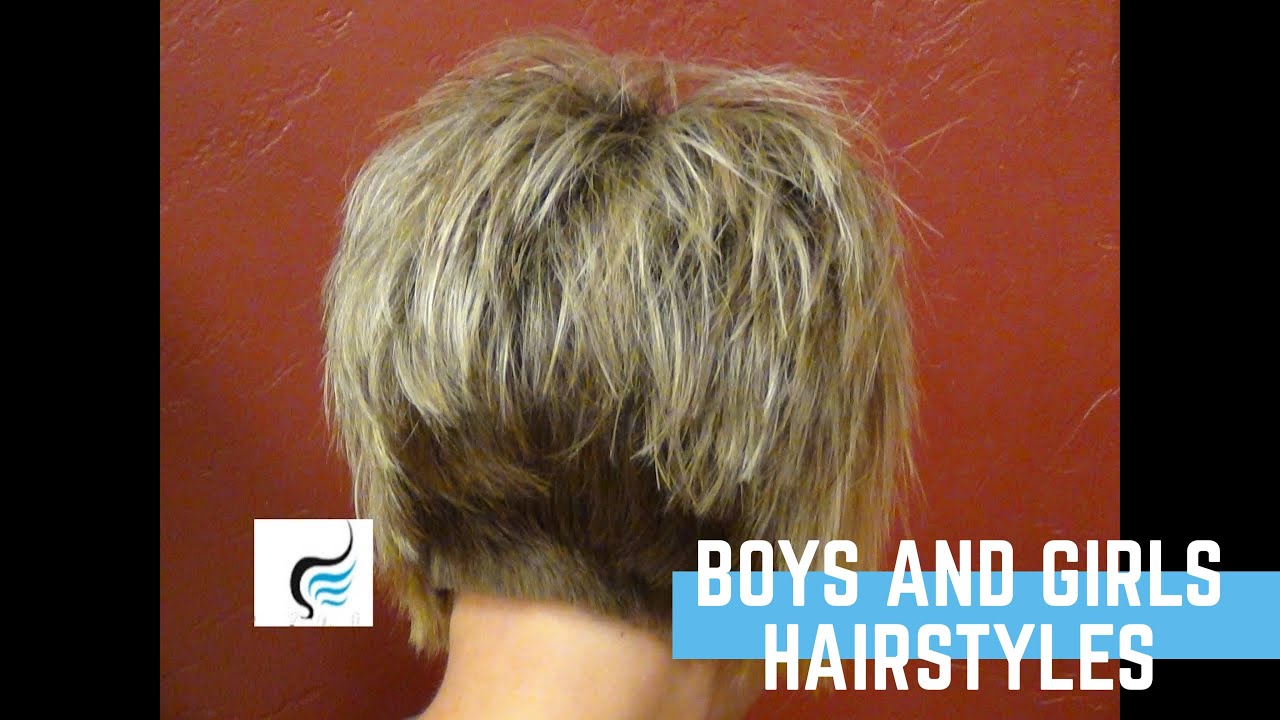
Graduation through the back moves weight upward and creates structural lift without relying only on product.
Interior layers create movement while a strong enough perimeter keeps the haircut from looking thin.
Uneven side lengths create visual direction without requiring you to move into pixie territory.
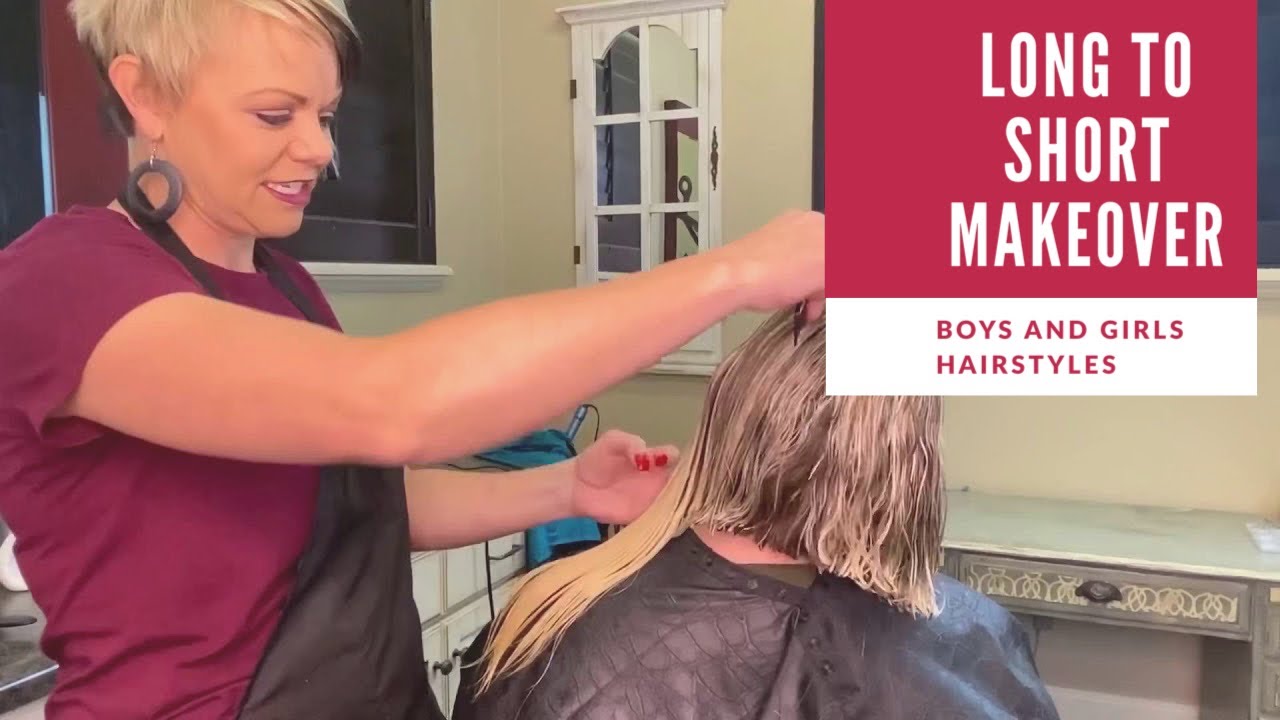
A useful route when the main decision is how much length you are ready to remove in one appointment.
Adjust the bob around changing density, silver hair, face framing and the amount of styling you want to do.
The key variables are perimeter, graduation, layering, front-to-back angle and total length.
A strong one-length perimeter with little or no layering.
The classic bob length lands close to the jaw and creates a very clear face-framing line.
Interior layers reduce heaviness and give the haircut more movement than a blunt one-length bob.
Graduated layers through the back build visible fullness toward the crown.
Shorter in the back and progressively longer toward the front, without necessarily adding a stack.
Combines a longer front-to-back diagonal with graduated layers through the back.
Curves upward through the nape and often keeps additional front length.
One side is intentionally longer than the other, creating a stronger directional haircut.
Broken-up ends and soft interior texture create a more casual, lived-in finish.
Adds another framing line through the forehead, changing the proportions of the entire haircut.
Uses natural bend and curl as part of the silhouette rather than requiring daily straightening.
Falls closer to the collarbone and gives the benefits of a stronger perimeter without a dramatic short-hair commitment.
This parent helps you choose the bob family. These guides go much deeper into specific audiences and cutting techniques.
Compare stacked, layered, A-line, blunt and longer bob shapes for women 50, 60 and beyond.
Older-women bob guideUnderstand exactly how the diagonal and back graduation work together.
Stacked A-Line guideTwenty kid-friendly bobs organized by bangs, hair type, age and maintenance.
Little girl bob guideSee how the transition is planned when several inches of length are coming off in one appointment.
Long-to-bob guideCompare face framing, maintenance, grow-out and how much length each short haircut preserves.
Compare pixie vs. bobCompare bobs against pixies and other options when fullness is the primary concern.
Fine-hair guideThe bob family stretches from almost-pixie length to the shoulder. Length alone can completely change the feel of the haircut.
Above or around the jaw with a cropped back and longer front pieces.
Lands around the jaw and creates the strongest traditional bob line.
Slightly longer with room for layers and softer movement.
Preserves significantly more length while strengthening the perimeter.
The smallest commitment for someone transitioning from long hair.
One of the biggest bob mistakes is treating fine and thick hair with the same layering strategy.
Fine hair often looks fuller when the bottom perimeter is strong and the layering remains controlled. The haircut should preserve visible density before it tries to create movement.
A bob on thick hair can become triangular if all the weight sits at the perimeter. Strategic internal layering can remove bulk without destroying the outer line.
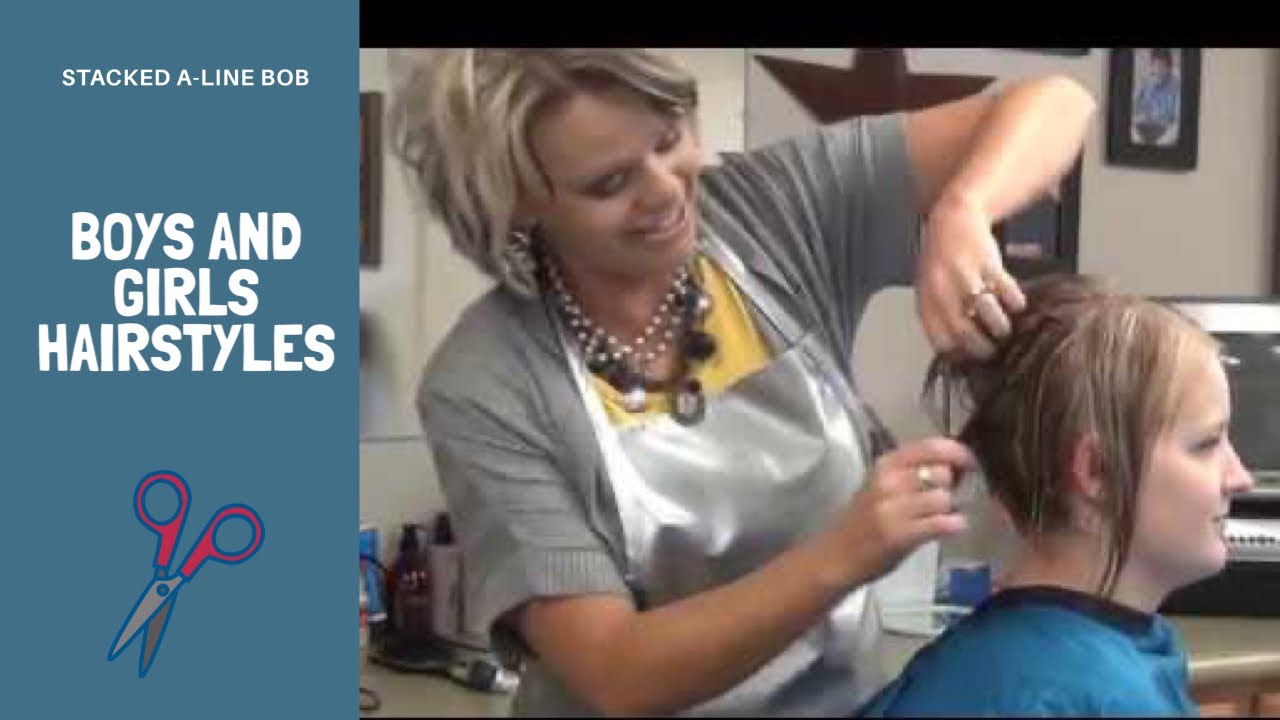
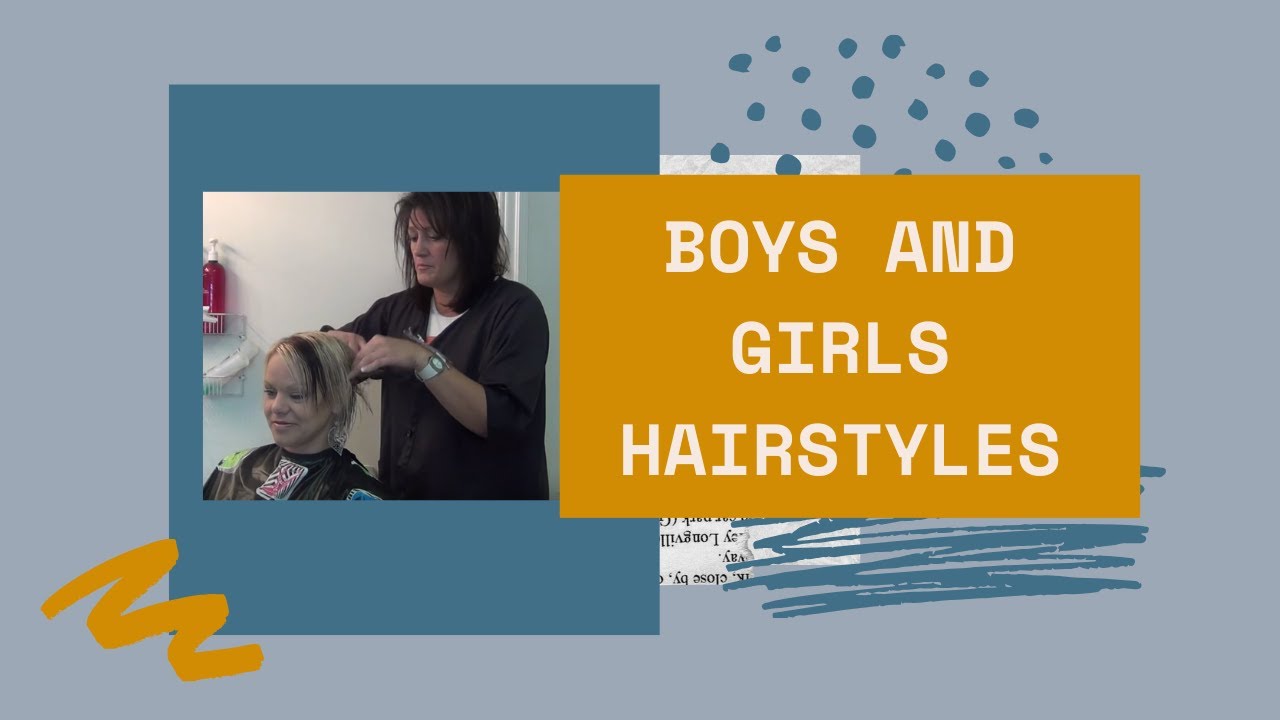
Watch the starting density, cutting process, graduation, layering and finished movement instead of judging only one final picture.
▶
A strong example of using perimeter and angle to improve the cosmetic appearance of density.
Watch the transformation
▶
Shows how graduation and layering create a completely different silhouette from a one-length bob.
Watch the stacked bob
▶
Useful if you are deciding whether to add fringe to a shorter graduated shape.
Watch the haircut
▶
A mature-hair example showing how layering and graduation can work together without sacrificing softness.
Watch Linda
▶
Combines graduation, asymmetry and preserved front length to create lift and movement.
Watch the haircut
▶
Helpful if the biggest concern is committing to a major loss of length.
Watch the transformationAge is not a bob rule. Density, lifestyle, styling independence and maintenance are the more useful variables.
Compare bobs alongside pixies, fine-hair cuts and longer layers.
Women over 50Stacked and layered bobs can create structure while retaining flattering face-framing length.
Women over 60Go directly into the dedicated mature-hair bob comparison.
Older-women bobsCompare easy kids' bobs by bangs, density, texture and age.
Kids bob guideJaw length, front angle, fringe and side volume can significantly change how a bob frames the face.
Most bob lengths work well. Choose primarily by hair texture, density and desired maintenance.
A slightly longer front or lob can create more vertical movement than a wide jaw-length bob.
Soft layers, texture or a slightly longer length can prevent the bob from emphasizing the jaw too strongly.
Chin-length bobs and soft fullness near the jaw can balance a narrower lower face.
Chin-length and mid-length bobs can add useful horizontal balance; fringe can shorten the visual length.
Softness around the jaw and a less severe front angle can balance stronger cheekbones.
Compare the structural difference before choosing from pictures.
| Bob Type | Main Shape | Best Strength | Good Starting Point For | Maintenance |
|---|---|---|---|---|
| Blunt Bob | One-length perimeter | Visual density | Fine hair | Moderate |
| Layered Bob | Interior movement | Reduces heaviness | Medium / thick hair | Moderate |
| Stacked Bob | Graduated back | Crown fullness | Flat or fine hair | More frequent |
| A-Line Bob | Longer front | Face framing | Keeping front length | Moderate |
| Lob | Collarbone length | Versatility | Nervous first-timers | More forgiving |
A bob depends on its perimeter and proportions. As the hair grows, the jaw line shifts, the back graduation drops and bangs can lose their intended shape.
Tell your stylist where the front should land, whether the back should be stacked, how strong the angle should be and how much layering you want.
Jaw, below chin, collarbone or shoulder changes the whole haircut.
Decide whether you want one length, light graduation or a visible stack.
Fine and thick hair usually need different amounts of internal weight removal.
Ask how the shape will change between salon appointments.
The right bob depends on shape, density and desired maintenance — not one universal haircut.
A bob is a short-to-medium haircut built around a defined perimeter, typically somewhere between the ear and shoulders. Different combinations of layering, graduation and angle create the many bob variations.
Fine hair often benefits from a blunt bob, soft A-line or lightly stacked bob because those shapes preserve a strong perimeter. Excessive layering can make sparse ends look thinner.
A-line describes the diagonal where the front sits longer than the back. Stacked describes graduated layers through the back. A stacked A-line combines both techniques.
A traditional bob generally lands around the jaw or below the chin. A lob extends toward the collarbone and preserves more styling flexibility.
Yes. Bobs are especially adaptable because the stylist can change the length, layering and graduation to work with fine hair, silver hair and changing density.
Many chin-length and layered bobs work well with approximately six-to-eight-week reshaping. Very short stacked bobs and fringe may need more frequent attention, while longer lobs are usually more forgiving.
If crown volume is the goal, start with the stacked A-Line guide. If you're choosing a bob specifically for mature hair, go into the Older Women guide. If you're still unsure whether you want to go this short, compare the bob directly against a pixie.