
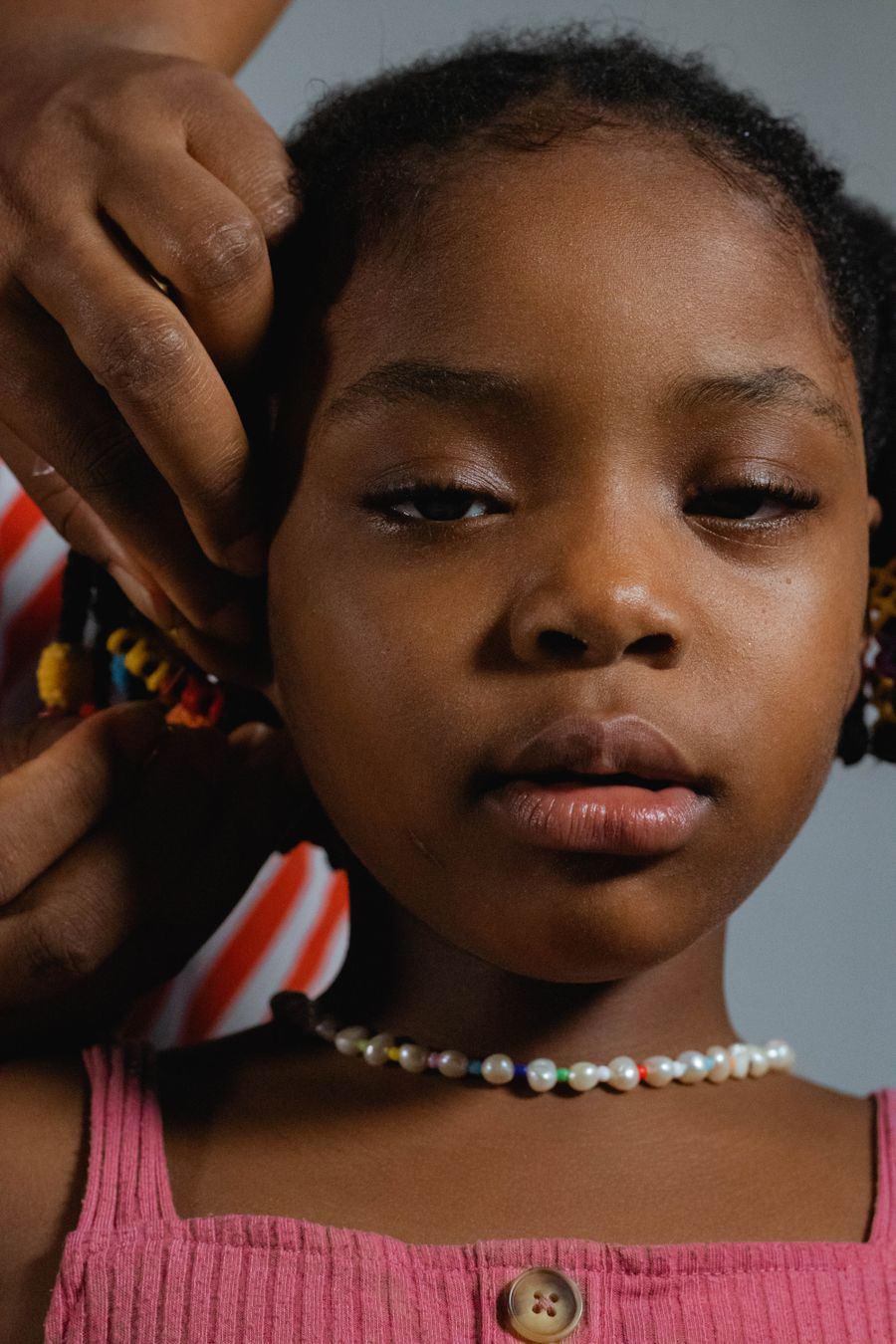
Girls
Cuts, Braids & Everyday Hair
Bobs, longer cuts, braids, school styles and easy ways to keep hair controlled without making every morning complicated.
Little girl haircutsHair for kids needs to do more than look cute in a picture. It has to survive school mornings, playgrounds, sports, tangles, helmets, impatient toddlers and busy parents. Start with the child you're styling, then find easy cuts, braids and routines that fit their hair and your schedule.
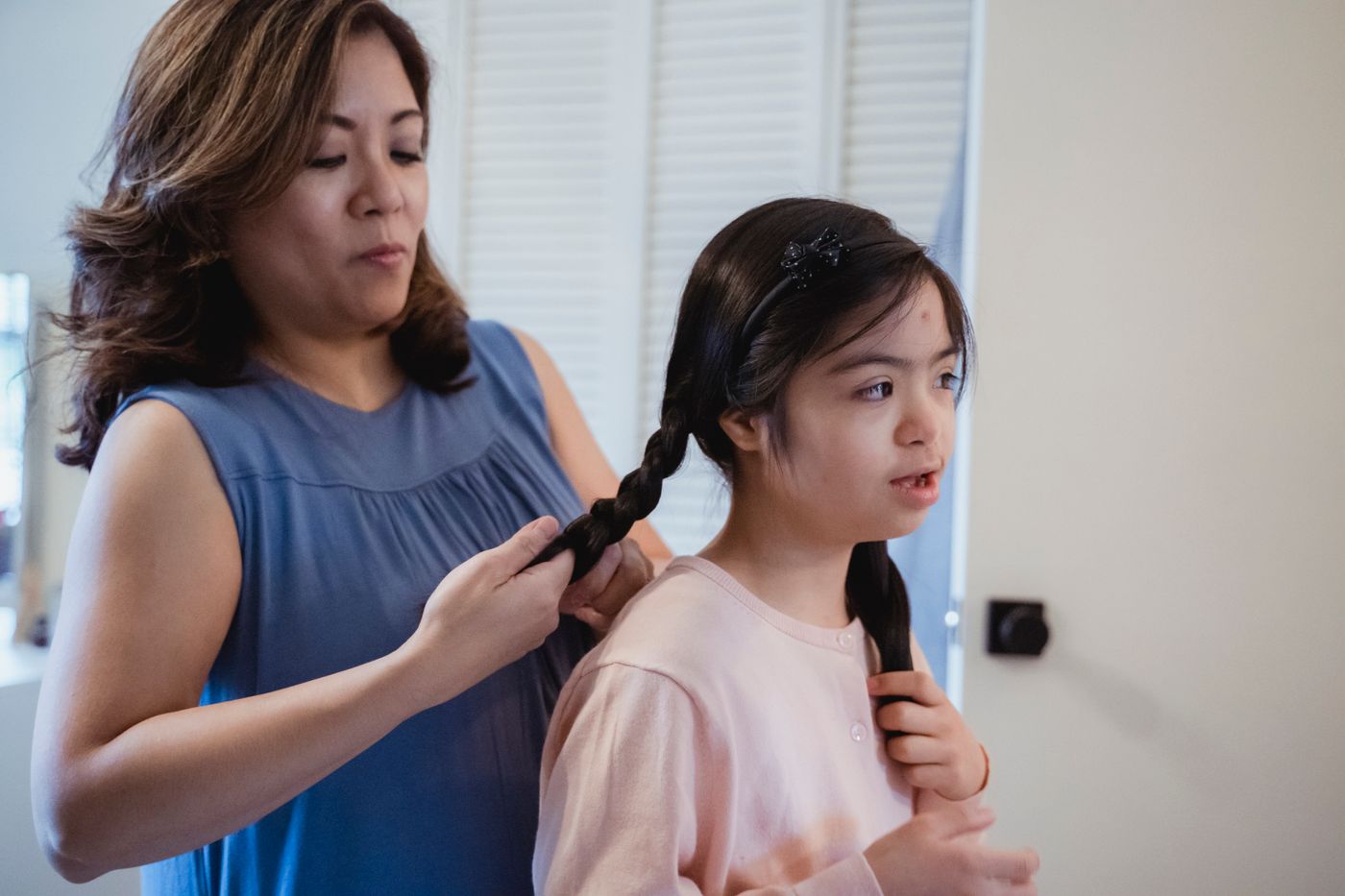
Age, patience, activity level and texture matter just as much as the haircut or style itself.
Bobs, longer cuts, braids, school styles and easy ways to keep hair controlled without making every morning complicated.
Little girl haircuts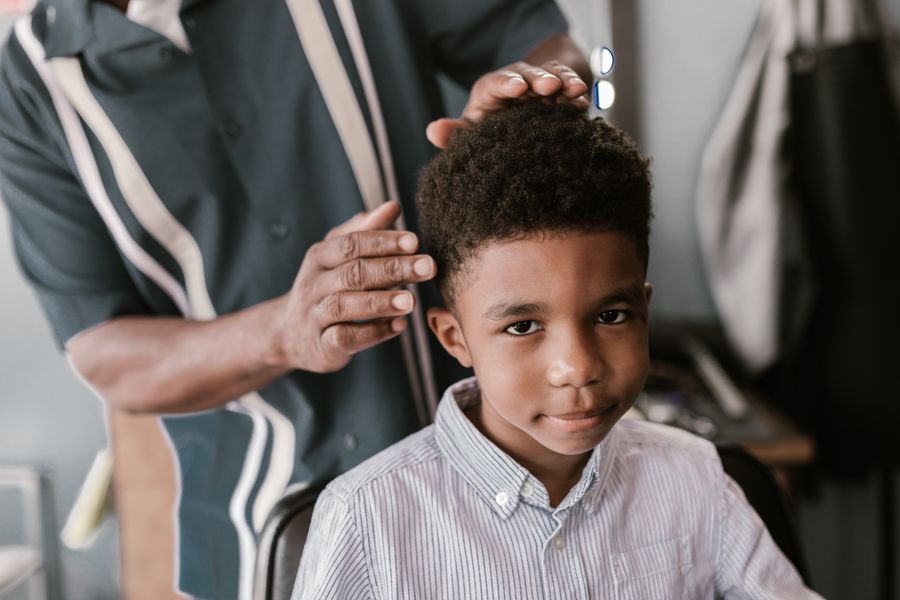
Short tapers, textured crops and longer surfer-style cuts for boys who need hair that is easy to live with.
Boys haircut guide
Keep the goal realistic: hair out of the eyes, manageable ends and a positive experience.
First haircut help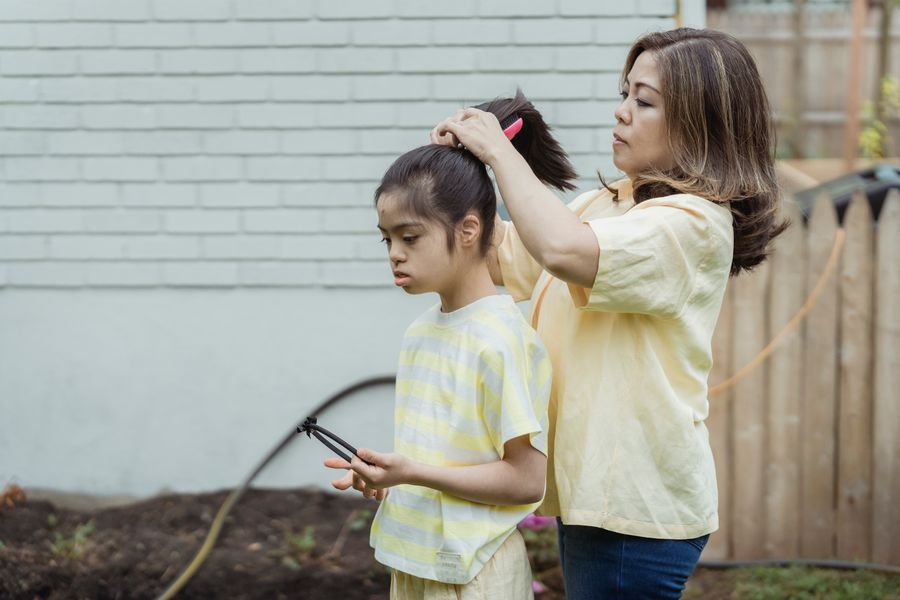
Ponytails, braids, buns and sports-ready styles designed for busy mornings and active days.
School hairstyle guide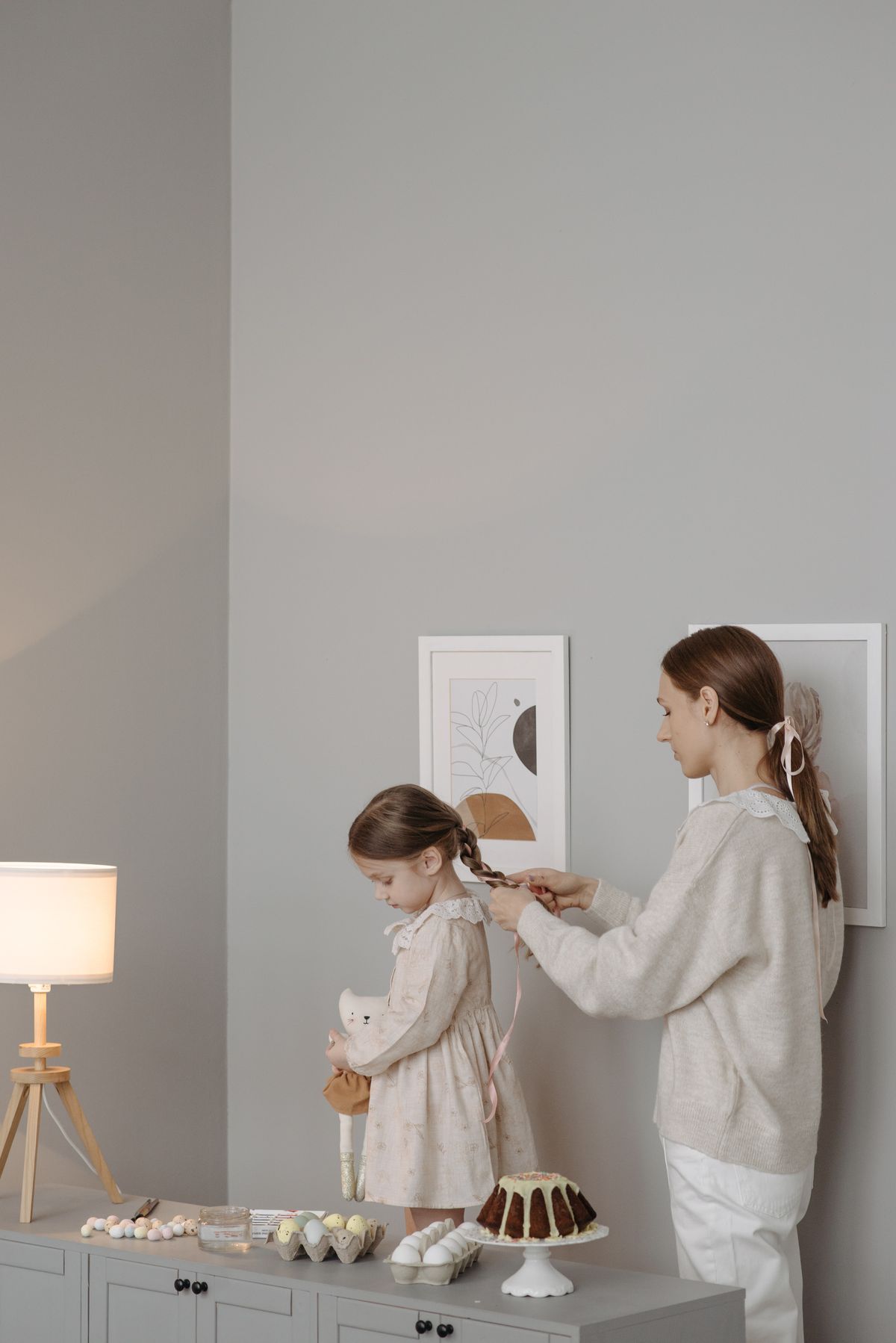
Length gives you options, but more options do not automatically make mornings easier. Most families benefit from mastering a few dependable styles instead of trying something new every day.
The question isn't only “Is it cute?” Ask what it takes to make the hair look good again tomorrow morning.
Short enough to brush quickly and structured enough to look intentional worn down.
Keeps enough length for ponytails and braids while removing heavy long ends.
One of the most useful styles a parent can learn for long hair.
Secure, close to the head and useful for active kids.
Simple, practical and easy to refresh during the day.
Combines a secure braid with a more polished finished shape.
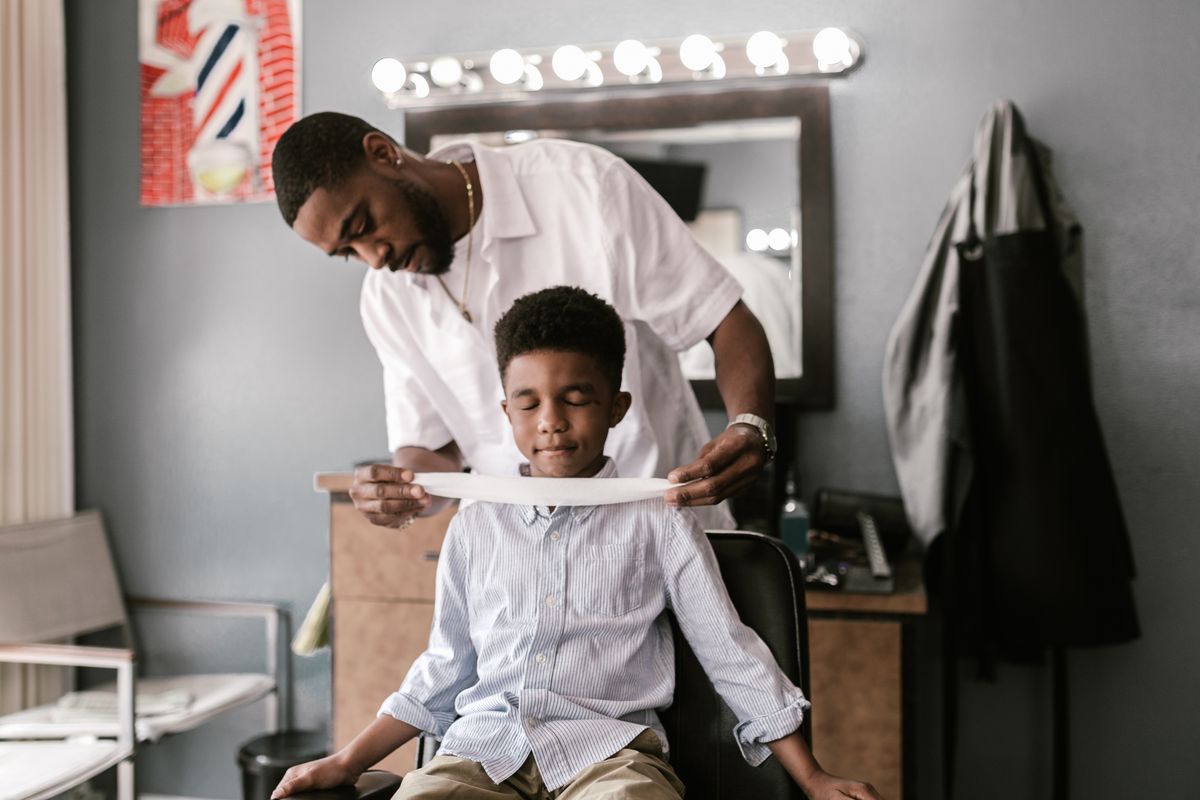
Short boys' cuts are often judged on the first day. Parents should also think about how the sides, neckline and top will grow between haircuts.
 ▶
A useful choice when a boy wants more personality than a standard short clipper cut.
Watch the haircut ▶
Shows how to remove bulk while keeping the longer style intact.
Watch the haircut ▶
A stronger styled direction for boys and young men who want a more noticeable finish.
Watch the faux hawk
Toddlers move. They lose patience. Some dislike the cape, scissors or sound of clippers. That does not mean the haircut failed.
Talk positively about the haircut before the appointment.
A simple fringe or end trim may be enough for the first visit.
Change position or pause when the child becomes overwhelmed.
Let the child leave feeling successful rather than relieved it is finally over.
 ▶
A useful example of keeping a young child's trim efficient and practical.
Watch the trim
▶
Watch the pacing and gentle approach as much as the cutting itself.
Watch the first haircut ▶
Helps control shorter loose hair once enough toddler length has grown in.
Watch the braidsA style that takes twenty minutes on a calm Saturday may not be useful at 7:20 on a school morning.
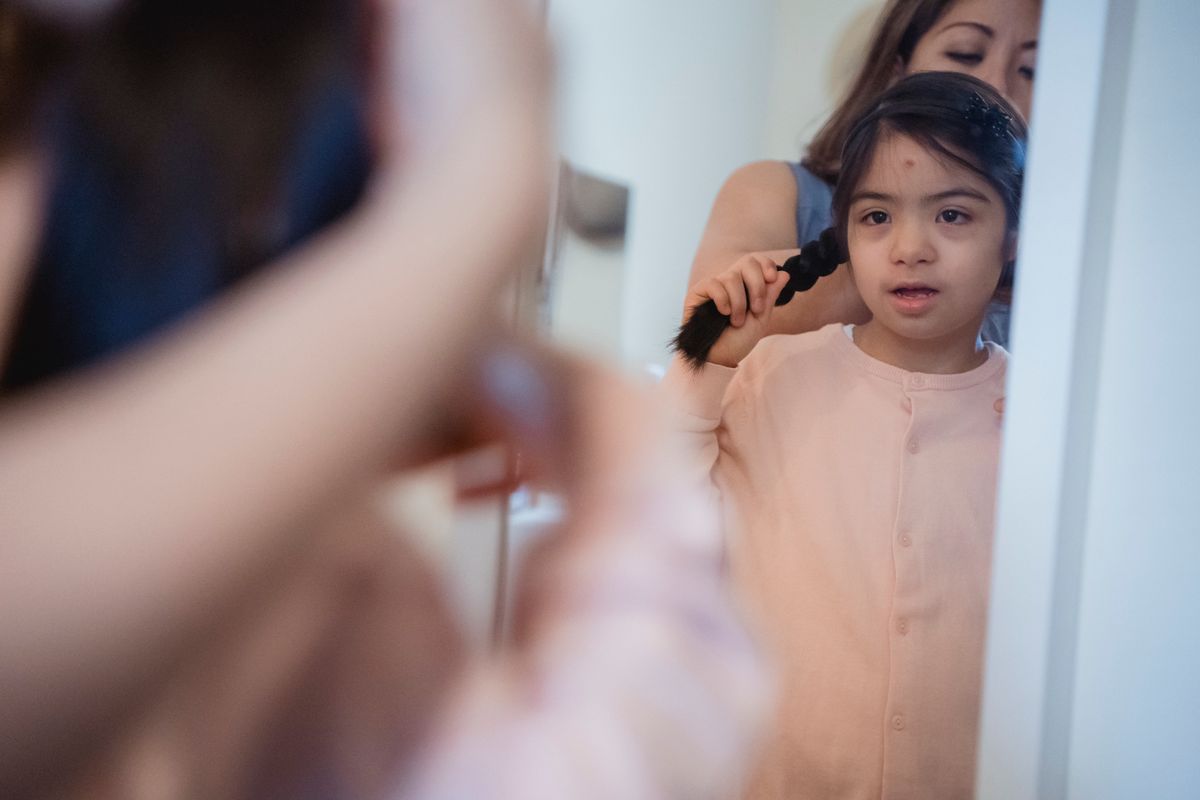
Secure active hair close enough to the head that it does not bounce, loosen or create uncomfortable pressure under equipment.
Secure through jumping and rapid movement while keeping the hair away from the face.
Keeps bulk below the helmet line and avoids a high pressure point.
Controlled shape designed to stay secure through repeated movement.
Faster than a full braid while still controlling the loose length.
The real-client and real-family videos are the proof layer: see the sections, hand position and finished result instead of trying to reverse-engineer one photo.
 ▶
A strong school and activity style when a single braid is not enough.
Watch the tutorial ▶
Combines everyday braid control with a more polished finished style.
Watch the style ▶
A practical middle ground between a plain ponytail and a full braided style.
Watch the tutorial ▶
A useful reference for parents who want less daily styling rather than more.
Watch the bob ▶
The raised version of the classic three-strand braid and a great sports skill.
Dutch braid guide ▶
A practical example of balancing appearance with activity and secure hold.
Watch the styleThis page should help parents find the right direction quickly, while the specialist pages handle detailed steps and larger lists.
Cuts for ages 2–12 organized around hair type, length and everyday maintenance.
Girls haircut guideQuick styles organized for realistic school-morning use.
School hairstyle guideEasy short shapes for families who want less daily styling.
Little girl bobsA step-by-step starting point for basic clipper and scissor cuts.
Boys haircut guideLearn one of the highest-value skills for girls' school and sports hair.
French braid guideSecure styles for volleyball, softball, dance and other activity.
Sports hairstyle guideHome hair skills can save time, but the goal is not to turn every parent into a professional stylist.
A good kids' hairstyle works with the child's hair, schedule and activity—not just the picture.
Ponytails, half-up styles, simple braids, French braids, Dutch braids and buns are reliable choices. Pick one that matches the available morning time and the child's hair length.
A bob or lob is often easy because it can look finished with little more than brushing. Longer hair provides more styling options but usually requires more detangling and maintenance.
Yes. Straightforward clipper cuts and basic scissor trimming can be learned with practice. Start simple before attempting detailed fades.
French braids, Dutch braids, low ponytails, braided ponytails and secure buns work well. Helmet sports usually need lower styles without bulky hair directly under the helmet.
Schedule when the child is rested, bring a familiar distraction, keep the haircut simple and avoid extending the appointment just to chase perfection.
For girls' haircut ideas, begin with the Little Girl Haircuts guide. For busy school mornings, use the School Hairstyles collection. For boys, start with the parent-friendly home haircut guide.