
 ▶
Featured · Thin hair
One Simple Cut for Fuller-Looking Hair
Start here for a straightforward example of using shape rather than heavy styling to improve visible fullness.
Watch on YouTubeThin hair does not need to be hidden. It needs a shape and styling routine that use the available density well. The most successful looks keep visible weight where it matters, create lift where hair falls flat, and avoid over-texturizing areas that are already sparse.
The right hairstyle should make the hair you have easier to see, lift and shape. That usually means a strong enough perimeter, strategic rather than excessive layering, and a styling routine that directs the roots before adding product.
If you are still deciding which haircut is best, use the Haircuts for Fine Hair Over 60 decision guide. This page focuses on hairstyle ideas and how to make them work day to day.
One relies on overall shape, one on shorter pixie lift, and one on a strong bob perimeter. The right strategy depends on where your density is actually lower.
▶
Start here for a straightforward example of using shape rather than heavy styling to improve visible fullness.
Watch on YouTube ▶
Compare a shorter shape when longer hair is pulling the roots flat and crown lift is the main goal.
Watch on YouTube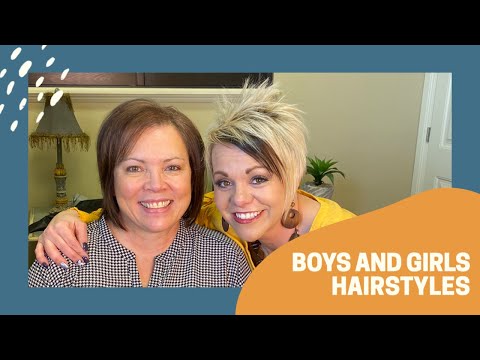 ▶
Use this when the lower perimeter needs to look stronger and you want more length than a pixie.
Watch on YouTubeSome of these are haircut families; others are styling directions that change how the same haircut reads. That is intentional—this page is about wearable hairstyle inspiration.
Keep the lower edge visually substantial when thin ends are the main concern.

Use controlled graduation to move shape upward through the back without hollowing the lower perimeter.
Shorter overall length makes root direction easier and can create a fuller-looking crown.

Keep more visible perimeter than a pixie while borrowing shorter crown movement.

Keep more length toward the face while shortening the back for a clean, fuller-looking angle.

Directional length creates interest without depending on lots of wispy internal layers.

Use a deliberate side direction to move more visual weight toward one side and create lift at the part.

A gentle bend through the mids can add movement without making the ends look separated or stringy.

Create separation only on the visible surface so the hairstyle feels dimensional without removing excessive density.

Keep the haircut compact, then use root direction at the crown to make the silhouette read fuller from the side.

Use a compact silhouette to concentrate visible hair rather than spreading thin density across too much length.

Adjust the part and use a light fringe only when it helps cover or balance lower-density areas without borrowing too much hair.
The old keeper correctly focused on root lift and brush direction. The rebuild keeps that practical idea, but drops one-size-fits-all amounts and exaggerated formulas.
On damp hair, direct the roots away from where they naturally collapse.
Use fingers or a brush to lift sections away from the scalp before smoothing the ends.
Use a round brush or light finger styling only where the haircut needs shape.
Use only enough product to preserve lift and separation without coating fine strands.
Dry the crown opposite its usual fall, then let it settle back into place.
Keep heat and styling focused on shape rather than repeatedly pulling the ends apart.
Re-direct or lightly refresh the root area instead of restyling the entire head.
The existing keeper was right to warn against wispy ends and heavy roots. The updated version keeps those principles without treating them as rigid rules for every head of hair.
| Common problem | Why it can hurt thin hair | Try instead |
|---|---|---|
| Too many short layers | Can make the lower edge look transparent | Use fewer strategic layers and protect the perimeter |
| Aggressive thinning / texturizing | Removes density from areas that may already be sparse | Create surface movement without hollowing the interior |
| Heavy oils or creams at roots | Can collapse root lift quickly on fine strands | Keep heavier conditioning products mainly on mids and ends |
| Keeping damaged, transparent length | Long wispy ends can emphasize lower density | Choose a length where the perimeter still reads as substantial |
| Styling against the everyday part | The salon result may disappear as soon as hair returns to its natural direction | Build the cut and style around the part you really wear |
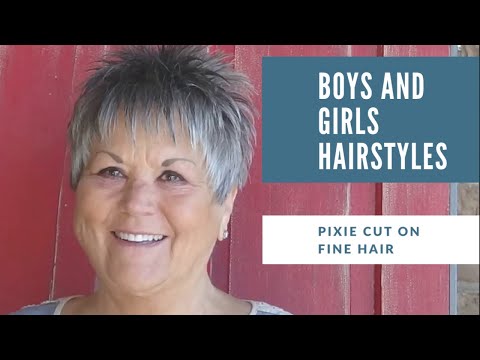
Fine hair refers to the diameter of each strand. Thinning hair refers to reduced density. You can have very fine strands and still have a lot of hair, or coarse strands with noticeable density loss.
Hairstyles can improve the appearance of fullness by changing silhouette, root lift and perimeter. They do not diagnose or treat the cause of hair loss.
If shedding is sudden, patchy, painful, inflamed or substantially different from your normal pattern, consider discussing it with a physician or dermatologist. Salon styling can help you work with the hair you have, but it is not medical treatment.
These videos show different lengths and techniques so you can find a starting point that actually resembles your hair.
▶
A high-view library example showing how haircut structure can affect the visible density of thin hair.
Watch on YouTube
▶
Compare the short-hair route when crown lift and easy root direction matter most.
Watch transformation
▶
Useful when you want a cleaner perimeter and more face-framing length than a pixie provides.
Watch transformationCrown, temples, part and ends can all need different solutions. Bring the closest real-client example and point out the areas you want protected.
Use the Fine Hair Over 60 page when you need to choose a haircut. Use the pixie, bixie, stacked-bob and A-line children when you already know the haircut family and want more specific examples.
Use the age hubs if you are still comparing more than thin-hair styles.
The newer fine-hair page owns the “which haircut is best?” decision intent.
Move into a specific bob or support page after you know which silhouette fits your density.
This article helps you compare silhouettes and styling techniques. RaDona's videos let you see the client's actual hair before the cut, which is far more useful than judging only the polished after photo.
RaDona is a licensed cosmetologist and salon owner in Nephi, Utah who has worked behind the chair since 2000. Her thin-hair styling advice is grounded in real clients with different strand diameters, densities, growth patterns and routines.
The goal is not to promise thicker hair. It is to help the existing hair look more intentional through silhouette, root direction, perimeter and realistic styling.
That gives the consultation a realistic starting point for crown lift, perimeter, part placement and daily styling.
These answers focus on appearance, haircut shape and styling. Diagnosis and treatment of hair loss are separate medical questions.
Short pixies, bixies, chin-length bobs, soft stacked bobs and A-line shapes can all create a fuller-looking silhouette. The best option depends on where density is lower and how much perimeter you want to keep.
Fine hair describes the diameter of individual strands. Thinning hair describes reduced density or fewer hairs. You can have fine strands with good density or thicker strands with lower density.
Strategic layers can create movement and crown lift, but too many short layers can make the ends look sparse. The amount of layering should match the density available.
Yes. A chin-length or softly graduated bob can keep a strong lower perimeter while creating enough shape to avoid looking flat.
Yes. Shortening the hair can reduce weight and make root lift easier. Fine or thinning areas should not be over-texturized or over-thinned.
Start by drying the roots in the direction opposite their natural fall, then finish the shape with a light brush or fingers. Use lightweight styling support rather than heavy oils or creams at the roots.
Avoid removing density without a reason. Very wispy ends, aggressive thinning in sparse zones and heavy root products can make thin hair look flatter or more transparent.
Consider medical evaluation for sudden shedding, patchy loss, scalp pain, inflammation or a substantial unexplained change in density. A hairstyle can change the appearance of fullness but does not treat the cause of hair loss.
Find the hairstyle that puts visible fullness where you need it, then watch the closest real-client transformation and use the haircut decision page if you are ready to choose your next cut.