
Find Your Face Shape: Which Haircut Flatters You?
Generally, the right haircut starts with understanding your face shape — not your hair type. Specifically, this guide walks you through measuring your own face in four minutes, then matches your shape to the cuts that flatter it most. Notably, every recommendation comes with a real RaDona client transformation showing the cut in action.
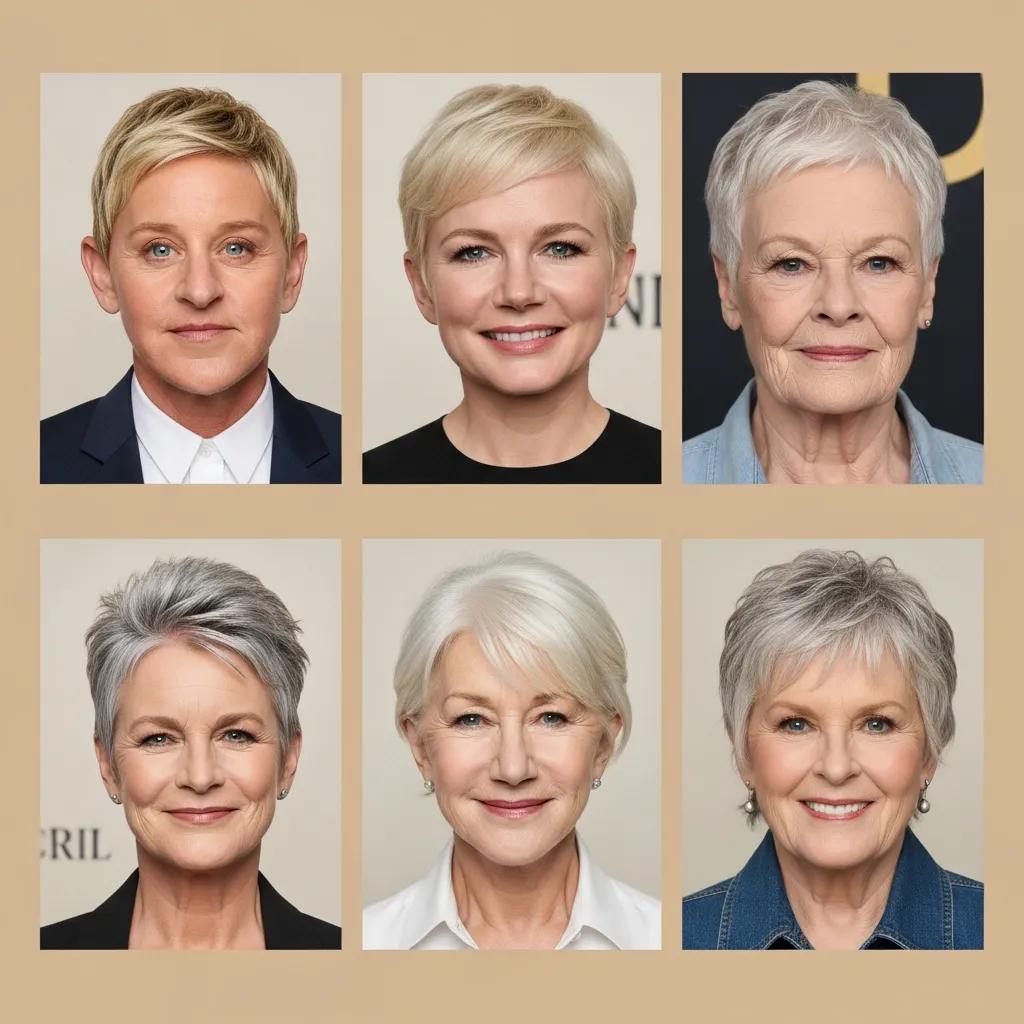
Covered
Cuts to Faces
Time
Tutorials
Why face shape matters more than hair type
Generally, two clients with identical hair texture can need completely different cuts because their face shapes are different. Specifically, face shape determines where a cut should sit and where it should add volume. Notably, the wrong shape match means the cut fights you every morning.
This guide covers six face shapes — round, oval, square, heart, long, and diamond — with a real client video for each. Specifically, measure your face in four minutes using a mirror and soft tape measure, then jump to your shape. Notably, if you already know your shape, use the navigator below.
Specifically, no face is exactly one shape. Most are blends — round with a slightly square jaw, heart with a longer chin, oval leaning diamond. Generally, identify the dominant shape, then read the section for it. Notably, the principles still apply even if your face is a hybrid.
Click your face shape
If you already know your shape, click to jump directly to that section. Generally, if you're unsure, skip to the measurement guide below.
Step by stepHow to measure your face shape in 4 minutes
Generally, you need a mirror, a soft tape measure (a hair tie works in a pinch), and four minutes. Specifically, the goal is to compare four measurements: forehead width, cheekbone width, jawline width, and face length. Notably, the ratio between those four numbers determines the shape — not absolute size.
-
Pull your hair back and face a mirror
Use a hair tie or headband to expose your forehead, cheekbones, and jaw. Specifically, you need to see the perimeter of your face clearly — bangs or face-framing layers will distort the read.
-
Measure forehead width
Place the tape across the widest part of your forehead, usually halfway between your eyebrows and your hairline. Note the number. Generally, this is the upper third of your face.
-
Measure cheekbone width
Measure across the front of your face from the most prominent point of one cheekbone to the other — typically just below the outer corner of each eye. Notably, this is usually the widest point of the face on most shapes.
-
Measure jawline width
Measure from the tip of your chin to just below one ear, then double that number. Specifically, this gives you the full jaw width without needing a partner to help measure across the back.
-
Measure face length
Top to bottom — from the center of your hairline straight down to the tip of your chin. Generally, this is the easiest measurement to take accurately.
-
Compare the four numbers
If face length is similar to cheekbone width and the jaw is soft, you're round. If length is greater than width and the jaw is soft, you're oval. If width and length are similar but the jaw is angular, you're square. If forehead is widest and jaw is narrow, you're heart. If length is greatly larger than width, you're long. If cheekbones are widest with narrower forehead and jaw, you're diamond.
Specifically, if two shapes feel close, the dominant trait wins. Generally, a face that's "round with a slightly stronger jaw" reads as round in real consultations. Notably, the cut recommendations for round-leaning shapes also flatter true round faces — there's overlap by design.
Round Face
Generally, a round face has soft curved features — gently rounded jaw, curved hairline, roughly as wide as it is long. Specifically, the goal is to add vertical length and break up horizontal width. Notably, the right cut creates the illusion of a longer, more oval shape.
Watch: Patty's bob for round-soft features
Patty came in with a soft round face and very fine hair. Watch how the cut adds crown lift and angles toward the chin — elongating the face vertically.
Patty's transformation — notice how the crown lift and angled length toward the chin create vertical movement on a round-soft face shape.
Cuts that flatter a round face
Angled, shorter at back, longer at chin. Diagonal elongates the face; stacked crown adds height.
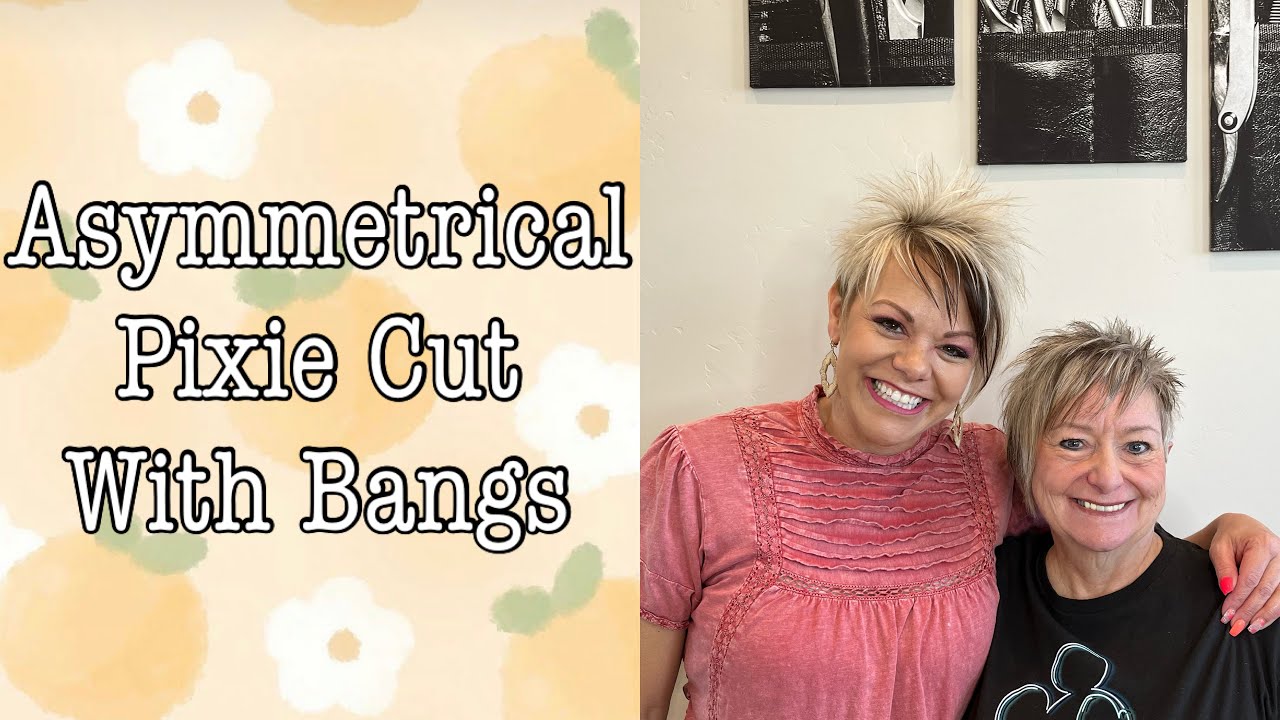
Read the guide Bold & modernThe most flattering pixie variation for round faces. The deliberate diagonal breaks up width.
Read the guide VersatileLong swept bangs add diagonal length, narrowing forehead width. Skip blunt fringe.
Read the guide For 50+Below-the-chin length draws the eye downward. Curtain bangs work; blunt fringe doesn't.
Read the guide- Blunt chin-length bobs — chin hits the widest point
- Heavy blunt bangs — horizontal lines compound width
- Center parts on short cuts — emphasize symmetry and roundness
- Slicked-back styles — expose the full circular outline
Oval Face
Generally, oval faces have balanced proportions — length slightly greater than width, forehead slightly wider than jaw, softly curved jaw. Specifically, oval is the most flexible shape; nearly every cut flatters it. Notably, the choice comes down to hair type and personal style.
Watch: DeeAnn's choppy bob — the oval-friendly default
DeeAnn at 53 has a classic oval face. RaDona chose a choppy layered bob with face-framing pieces because it suits DeeAnn's hair type and lifestyle — not because oval demanded it.
DeeAnn's choppy bob — the texture and face-framing pieces work because the oval face shape can carry them. On a round face, the same cut would emphasize width.
Cuts that flatter an oval face
Classic, layered, A-line, choppy, stacked — every bob works on oval. Pick by hair type.
Browse the Bob Hub Maximum flexibilityClassic, textured, asymmetric, tapered — oval handles every pixie. Choose by hair density.
Browse the Pixie Hub Mature hairCurtain bangs, soft layers, mid-length — the safe bet for mature oval faces.
Read the guide Over 70The most flattering pixie for mature oval faces. Layered, soft front, tapered nape.
Read the guide- Nothing specific — oval handles every cut. Failures here are hair-type issues, not shape ones.
- Heavy blunt cuts on fine hair — not a shape issue, but flags because weight overwhelms fine strands
- Long, center-parted, one-length cuts — can flatten natural balance. Layers fix this.
Square Face
Generally, a square face has a strong angular jaw and similar-width forehead. Specifically, the goal is to soften the sharp angles — adding curves where the face has corners. Notably, the right cut complements the strong jaw rather than hiding it.
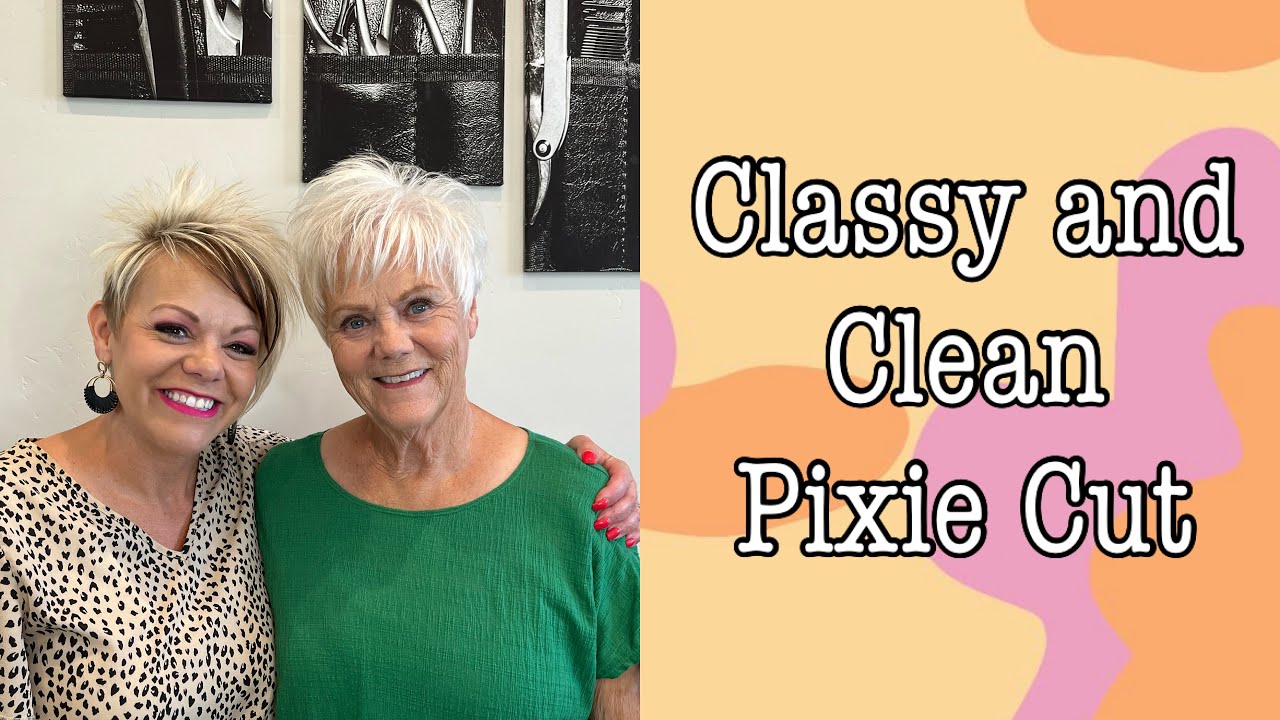
Watch: Linda's classy pixie — softening a square jaw
Linda has a stronger jaw than DeeAnn. Watch how RaDona uses soft layers and gentle face-framing pieces to add curves around the jaw and cheekbones, softening the angles.
Linda's pixie — notice how the soft, point-cut layers at the front break up the angular jaw line, while the structural cut still respects her strong features.
Cuts that flatter a square face
Layers add curves; soft side-swept bangs soften the forehead. RaDona's most-requested square-jaw cut.
Read the guide Mature hairSkip tapered or buzzed; choose soft, layered, point-cut versions that soften the jaw.
Read the guide Face-framingDiagonal side-swept bangs break up jaw symmetry. Long front pieces add softness.
Read the guide Wavy textureNatural waves soften angular features. Cut at collarbone length, internally layered.
Browse the Bob Hub- Sharp blunt cuts at jaw level — sharp lines compound sharp angles
- Heavy straight bangs — horizontal weight emphasizes width
- Slicked-back styles — expose the angular jaw
- Ultra-straight one-length cuts — geometry on geometry rarely flatters
Heart Face
Generally, a heart face is wider at the forehead and tapers toward a narrower chin. Specifically, the goal is to narrow the forehead while adding fullness around the jaw. Notably, bangs do the heavy lifting on heart faces — the right fringe transforms the silhouette.
Watch: Linda's stacked bob with bangs — balancing a heart shape
Linda came in with a heart-shape face and a broader forehead. Watch how the stacked bob with side-swept bangs narrows the forehead while the back volume balances the narrower chin.
Linda's stacked bob — the bangs narrow the forehead and the stacked volume at the back gives the chin some visual company.
Cuts that flatter a heart face
The most flattering cut for heart faces. Bangs narrow the forehead; stacked back balances the chin.
Read the guide VersatileLong swept bangs break up the wider forehead diagonally. More flattering than blunt fringe.
Read the guide Chin-flatteringHitting at the chin gives the narrow lower face visual width.
Browse the Bob Hub Mature hairCurtain bangs split the forehead softly — flattering for heart faces wanting pixie length.
Read the guide- Slicked-back styles — expose the full forehead-to-chin width contrast
- Crown volume without chin balance — exaggerates top-heavy proportions
- Short jaw-skimming cuts without bangs — leave the wider forehead unbalanced
- Severely tapered pixies at the nape — emphasize the narrow chin
Long Face
Generally, a long face (oblong) is noticeably longer than wide — forehead, cheekbones, and jaw are similar in width but the length dominates. Specifically, the goal is to add visual width. Notably, bangs are essential — they shorten apparent length by covering the forehead.
Watch: Short bob over 70 — adding width to a long face
This client has a long face and wanted something low-maintenance for her 70s. Watch how RaDona keeps the cut short and structural — chin-length adds horizontal width. The cut deliberately stops at the chin; longer would emphasize the existing length.
A short bob that adds horizontal width to a longer face — the chin-level stopping point is deliberate. Lengths past the collarbone elongate further.
Cuts that flatter a long face
Chin length plus straight bangs create two horizontal breaks — shortening face length.
Read the guide Volume-addingNatural texture adds horizontal width. Cut at chin length, internally layered.
Browse the Bob Hub Bang-essentialA pixie with full bangs shortens face length dramatically. Skip bangs-less pixies on long faces.
Read the guide Over 70The fringe is non-negotiable. Layered shape adds soft horizontal volume at the cheekbones.
Read the guide- Long one-length cuts past the shoulders — compounds the vertical line
- No bangs / center parts — expose the full forehead
- Height-adding crown volume — adds length where you don't want it
- Narrow pixie cuts that hug the head — emphasize the face's narrowness
Diamond Face
Generally, a diamond face is widest at the cheekbones with narrower forehead and chin — the inverse of heart, in some ways. Specifically, the goal is to add width at the forehead and jaw. Notably, diamond faces handle bold statement cuts beautifully.
Watch: Brenda's asymmetric pixie — geometry meets geometry
Brenda has a diamond face with prominent cheekbones. Watch how the asymmetric pixie's diagonal works with her angles. The longer front side adds width to the narrower forehead; the shorter side balances the cheekbones.
Brenda's asymmetric pixie — the angular cut complements rather than competes with the angular face. This works on diamond shapes specifically because the face can carry the geometry.
Cuts that flatter a diamond face
The most flattering cut for diamond faces. Diagonal lines complement angular features.
Read the guide Forehead-wideningHorizontal sweeping bangs add width where diamond faces are naturally narrower.
Read the guide Chin-wideningChin length adds visual width to the narrower jaw, balancing the cheekbones.
Browse the Bob Hub Mature hairCurtain bangs add forehead width; layered length balances the chin. Beautiful on diamond 50+.
Read the guide- Slicked-back styles — emphasize the forehead/jaw narrowness contrast
- Cuts that pull volume toward cheekbones — compound width at the widest point
- Ear-length cuts tapering to cheekbones — visually widen the widest part
- Long straight cuts without layers — highlight cheekbone prominence
Watch all six face-shape transformations
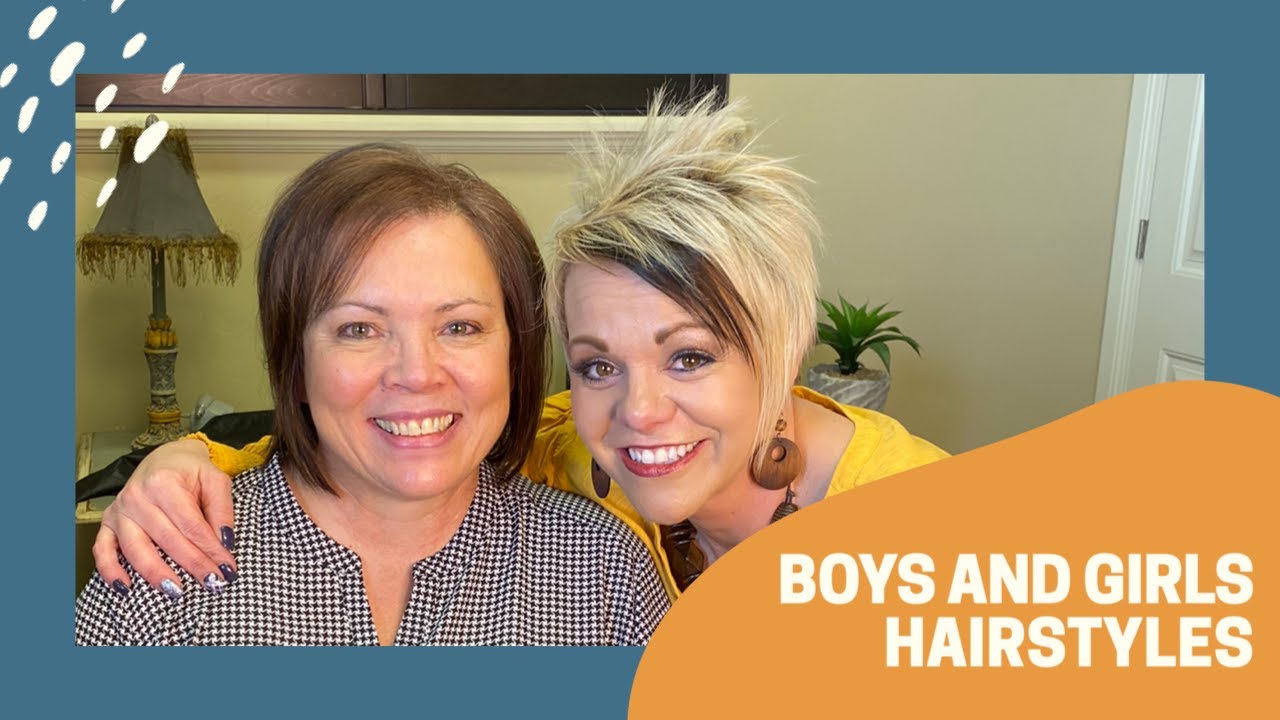
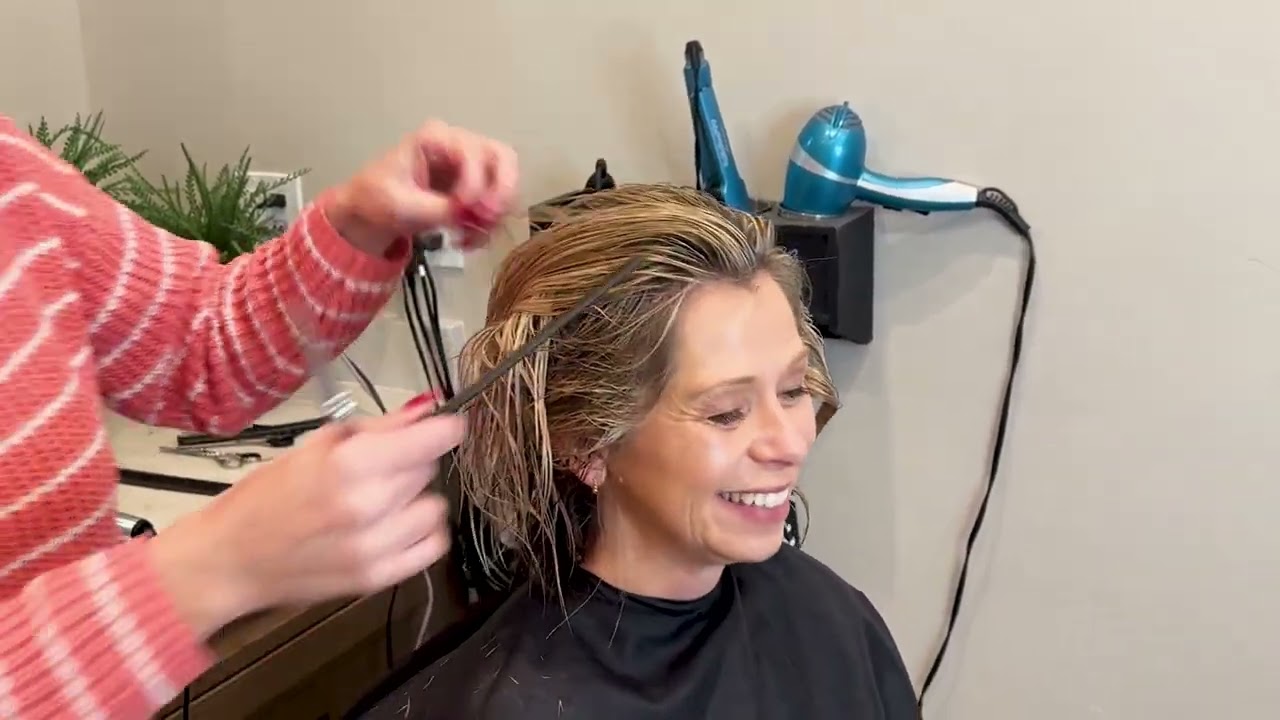
Generally, the six videos above demonstrate face-shape matching in action. Specifically, revisit any here or watch on YouTube — where 800+ additional transformations cover every face shape and age.


Sources & Methodology
Generally, every recommendation on this page reflects in-salon decisions RaDona makes during real client consultations. Specifically, the sources informing this guide include:
- RaDona's salon consultations — 25 years of face-shape-based haircut decisions across thousands of clients.
- Standard cosmetology face-shape classification — the six-shape framework (oval, round, square, heart, long, diamond) taught at Bon Losee Hair Academy and used industry-wide.
- Real client transformation videos — every recommendation pairs to a filmed RaDona example.
- Reader and subscriber feedback — 180,000+ subscribers reporting which cuts worked at home.
- Independent stylist publications — peer-reviewed industry guidance on face-shape matching.
- RaDona's portfolio — 800+ filmed transformations across 14 years documenting all six shapes.
- Direct consultation observations — what clients report as flattering after the cut.
- Hair-type cross-references — face shape isn't the only factor; recommendations also reflect density and texture.
Methodology note: Generally, no client is a textbook example of one shape — most are blends. Specifically, the recommendations describe the dominant trait and apply to blends as well. Notably, when in doubt, the section closest to your dominant trait wins. Reader contributions welcome — see the contact page.
Published: May 2026 · Last updated: May 2026 · Next scheduled review: November 2026.
Face shape and haircut — the eight questions RaDona gets most often
Generally, the best haircuts for a round face add vertical length and break up horizontal width. Specifically, the strongest options are A-line or stacked bobs (the angle elongates the face), asymmetrical pixies (diagonal lines break symmetry), pixies with swept bangs, and long bobs below the chin. Notably, avoid blunt chin-length bobs and heavy straight-across bangs.
Generally, hair type tells you how the hair will behave; face shape tells you where the cut should sit. Specifically, two clients with identical fine hair can need completely different cuts because their faces are different — one needs vertical lift, the other needs horizontal width. Notably, the wrong shape match makes styling harder every morning, even if the hair type is perfectly addressed by the products and technique. RaDona starts every consultation with face shape, then layers hair type on top.
Generally, you need a mirror, a soft tape measure, and four minutes. Specifically, pull your hair back, then measure four things: forehead width at the widest point, cheekbone width front-to-front, jawline width from chin to under the ear (doubled), and face length from hairline to chin tip. Notably, the ratios between those four numbers determine the shape — not absolute size. The step-by-step measurement guide above walks through it in detail with clear comparison criteria for each shape.
Generally, yes — but the change is gradual. Specifically, after 50, the cheekbones lose some prominence as facial fat redistributes, the jaw line softens, and the overall face often reads as slightly more oval than it did at 30. Notably, this means a cut that flattered you at 35 may need adjustment at 55 — the same face-shape framework still applies, but the dominant traits shift. RaDona recommends reassessing face shape every decade or so, especially after major weight changes or after 50.
Generally, bangs are essential on long faces (they shorten the visual length) and heart-shape faces (they narrow the forehead). Specifically, bangs are optional on oval and square faces, where they're a style choice rather than a corrective decision. Notably, bangs are usually a poor choice on round faces and diamond faces unless they're swept diagonally — straight blunt bangs add unwanted horizontal width to round faces and emphasize the existing cheekbone prominence on diamond faces.
Generally, yes — but the variation of the short cut matters enormously. Specifically, an asymmetric pixie flatters round and diamond faces; a classic soft pixie flatters oval faces of any age; a pixie with full bangs flatters long faces; a layered pixie with side-swept bangs flatters square faces; and a pixie with curtain bangs flatters heart faces. Notably, the only "short cut for every face" is the soft layered pixie — but even it benefits from face-specific tweaks at the fringe.
Generally, most faces are blends — pure textbook shapes are rare. Specifically, identify the dominant trait (the most visible characteristic of your face) and read that section first. Notably, the cut recommendations for "round-leaning oval" still work whether you're true round or blend; the principles are about the dominant trait. If two shapes feel equally close, choose the one with the strongest concern — for example, if you're between heart and oval, the heart-shape forehead width usually deserves the cut decision more than oval flexibility does.
Generally, copying a celebrity haircut without considering whether their face shape matches yours. Specifically, Audrey Hepburn's pixie flatters her oval face — and would look completely different on a long face or square face. Notably, the second-biggest mistake is hair-type matching without face-shape matching — going to a stylist who fits the cut to your hair texture without considering whether the resulting shape works with your face. The right consultation always starts with face shape, then layers in hair density, texture, and lifestyle.
Keep reading
Book a consultation with RaDona
The right cut starts with the right consultation. Specifically, RaDona's Utah salon identifies face shape, hair type, and lifestyle before scissors come out. By appointment.