Soft Pixie
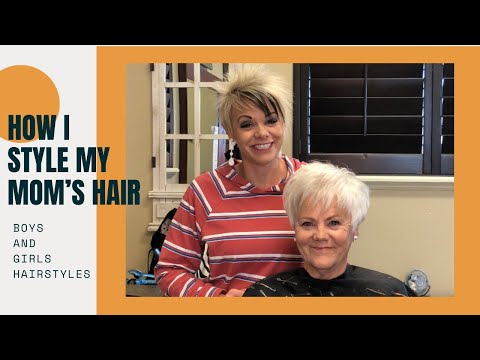
Strong crown shape, an open neckline and a fast morning routine. A pixie can be soft and feminine rather than severe.
The best haircut after 60 is not simply a shorter haircut. It is a shape that works with the density, texture, gray pattern, face shape and styling routine you have now. Explore 15 modern pixies, bobs and layered cuts using real salon transformations from RaDona Ludlow.
Start with silhouette and length. Then adapt the haircut to your density, texture, face shape and how much styling you realistically want to do.
Strong crown shape, an open neckline and a fast morning routine. A pixie can be soft and feminine rather than severe.
Keeps enough length to frame the face while interior layers remove weight and create movement.
Graduation moves visual weight upward while the front keeps enough length to frame the cheekbones and jaw.
Piecey layers and a slightly stronger top keep short hair from feeling conservative or overly neat.
A salon classic works because the layers create shape while leaving enough softness around the forehead and face.
Carefully placed texture and shorter length can make hair stand away from the scalp instead of hanging flat.
Instead of fifteen almost-identical inspiration pictures, use these groups to understand the structural difference between the styles.
Silver can be worn with a pixie, bob, textured crop or longer layered shape. The important part is making the haircut look deliberate enough that the natural color feels equally intentional.
Gray & silver strategy
Fine hair describes the diameter of individual strands. Thinning describes lower overall density. They often occur together, but they are not the same problem.
A haircut cannot create more follicles. It can, however, change where the visual weight sits. On fine mature hair, removing unsupported length and preserving a stronger perimeter can make a very noticeable difference.
These are especially useful because you can see the client's starting density, the cutting process and the final hair moving naturally rather than judging one finished photograph.
▶
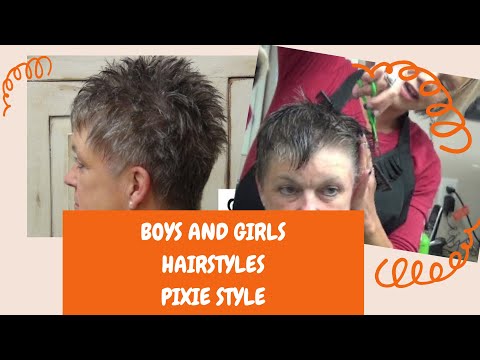
Graduation through the back and softer layers create shape while maintaining enough perimeter to support her fine hair.
Watch Linda's transformation
▶
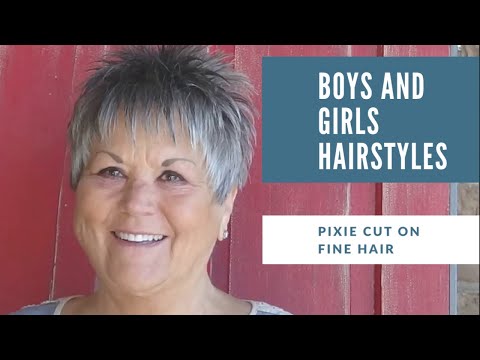
This transformation shows how dramatically a shorter shape can change crown lift, neckline and the frame around the face.
Watch the pixie
▶
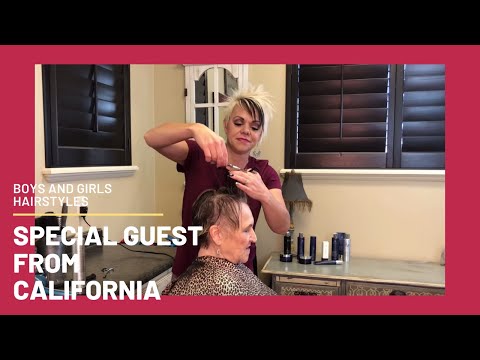
A good example of keeping more face-framing length while using layers to keep the overall shape mobile and modern.
Watch the layered bobGray hair can create beautiful natural dimension. The goal is not automatically to cover it, and it is not automatically to stop coloring either. Choose the direction that fits you.
What matters visually is that the haircut has enough shape to make the color feel deliberate. A crisp pixie, layered short cut or well-shaped bob can all do that.
Almost any haircut family can be adapted. The useful decisions are fringe, side volume, crown height and how much length remains around the jaw.
Most shapes work well. Choose primarily by density, texture and desired maintenance.
Crown height, diagonal fringe and slightly longer front pieces can create more vertical movement.
Soft layers, side-swept fringe and movement around the jaw can reduce an overly geometric finish.
Soft fringe and length near the jaw can balance a wider forehead and narrower chin.
Avoid excessive height if elongation is already a concern. Side volume and fringe can restore balance.
Softness near the forehead and jaw can balance stronger cheekbones without hiding them.
Glasses, natural texture, fragility and styling time can change which version of the haircut makes the most sense.
Hair directly above and behind the ears should work with the arms of your frames instead of bunching around them.
Haircuts & glassesNatural wave or curl can create softness and volume that would otherwise require a blow dryer and iron.
Curly-hair tutorialsChoose a haircut that keeps recognizable shape after air drying or a quick blow dry.
Easy short cutsMature, colored and fine hair can be more vulnerable to repeated high-temperature styling.
Heat protectant guideA haircut can improve appearance, but sudden or significant loss is not simply a salon problem.
Thinning-hair guideAsk how the haircut will look at four, six and eight weeks — not just the day it is cut.
Salon consultationCompare the amount of length, visual structure and everyday maintenance rather than trying to choose from pictures alone.
| Cut | Typical Length | Main Strength | Good Starting Point For | Daily Styling |
|---|---|---|---|---|
| Soft Pixie | Very short | Crown lift + simplicity | Fine hair, silver hair, low-maintenance routines | Usually fastest |
| Long Pixie | Short | Softness + flexibility | Women wanting short hair without a very exposed shape | Fast |
| Stacked Bob | Jaw / chin | Graduated fullness | Fine-to-medium hair needing more visible structure | Moderate |
| Layered Bob | Chin / shoulder | Movement + versatility | Many hair textures and face shapes | Moderate |
| Shoulder Layers | Medium | Keeps more length | Hair with enough density to support longer ends | Usually more involved |
The more specific you are about your priorities, the easier it is to adapt the inspiration photo to your own hair.
Save one or two RaDona transformations with hair or styling goals similar to yours.
Explain whether fine hair, crown flatness or visible thinning is the problem you most want to improve.
Tell your stylist whether you want a five-minute routine or are comfortable using a dryer and iron.
Understand how quickly the cut loses shape and what it will look like before the next appointment.
The goal is not a long product routine. Use products only where they solve an actual problem such as dryness, heat exposure or lack of body.
Use age as context, not a restriction. Density, texture, face shape and daily routine are more useful decision points.
There is no single best haircut. Pixies can create crown lift and simplify styling, while stacked and layered bobs preserve more length and can add structure. Choose according to density, texture, face framing and maintenance preference.
Short hair is not automatically more youthful. A well-shaped haircut can create lift, movement and a cleaner silhouette, which may feel fresher than longer hair that has become heavy or shapeless.
Pixies, long pixies, stacked bobs and asymmetrical bobs are useful starting points because they can remove excess weight while preserving a stronger visual outline.
Yes. Classic, layered, stacked, A-line and asymmetrical bobs can all work. Graduation and layering can be adjusted to add movement without sacrificing too much density.
That is entirely personal. Natural silver can look extremely polished with an intentional haircut. Gray blending or highlights can create a softer transition if you do not want to stop coloring immediately.
Very short and highly structured cuts generally need reshaping more often than medium-length styles. Your schedule should reflect your growth rate and how much change in shape you tolerate between visits.
If you are leaning short, the next step is not another generic gallery. Compare the detailed Pixie and Short Hair guides, then bring a real transformation to your stylist.