▶
A Polished Short-Hair Transformation
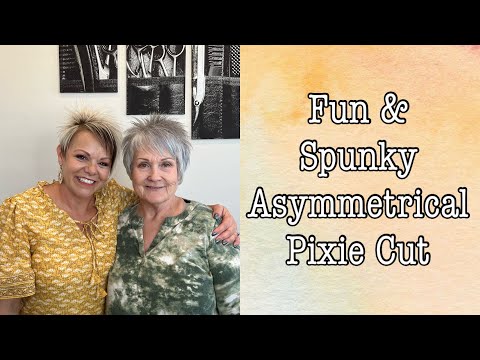
Start here for a softer, elegant example that shows what intentional shape can do without pushing immediately into the shortest pixie territory.
Watch on YouTubeThe best short haircut after 60 is not simply the shortest one. It is the shape that puts fullness where your hair needs it, keeps the right amount of softness around your face, and fits the amount of styling and maintenance you actually want.
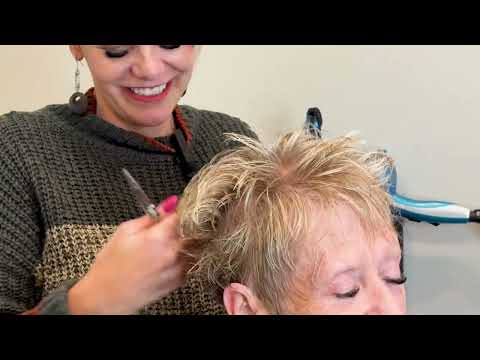
Start with the amount of perimeter you want to keep. A pixie gives the most lift and least length; a bixie gives pixie movement with more softness; and a short bob gives the strongest visible lower edge.
Fine hair often benefits from less overall weight, while dense or coarse hair may need more internal removal. Face shape, glasses, natural texture and maintenance preference should refine the choice—not your age alone.
These real transformations show why “short hair” is too broad a request. Watch the silhouette, neckline and crown—not just the face in the finished photo.
▶
Start here for a softer, elegant example that shows what intentional shape can do without pushing immediately into the shortest pixie territory.
Watch on YouTube
▶
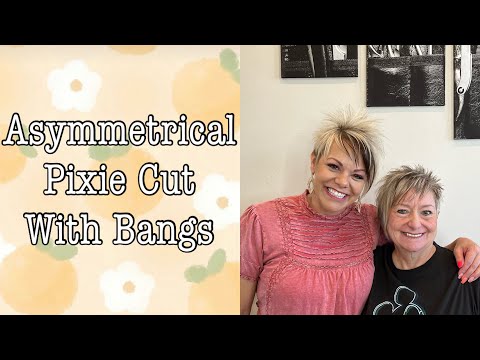
See what happens when the goal is maximum crown lift, shorter sides and a compact shape for fine mature hair.
Watch on YouTube
▶
Compare a stronger perimeter when you want short-hair freshness but still prefer visible jaw and neck coverage.
Watch on YouTubeThis page is the broad short-hair decision guide. When one family looks right, use the deeper pixie, bixie, bob or fine-hair page to make the final choice.
Short enough for lift, but with controlled crown length so the finish stays soft rather than severe.
Keep the ears and neckline more open for the lightest, quickest-styling short-hair option.
Use directional fringe or unequal side length to give the haircut more personality without adding overall length.
Shape around the natural curl pattern and leave enough length for the curl to form after shrinkage.
Keep the temple and ear area intentional so the haircut and frame arms work together instead of competing.
Keep more perimeter than a pixie while using short-hair layering through the crown and back.
Keep enough side length to tuck behind the ears or wear forward, making the short cut easier to vary day to day.
A clear jaw-to-chin perimeter keeps the lower edge visible and polished while preserving more length around the face.
Controlled graduation through the back moves shape upward and can create a fuller crown silhouette.
Shorter at the back and longer toward the face, creating a clean profile without requiring many layers.
One side remains longer to create movement and visual interest without relying on aggressive internal texturing.
Dense or coarse hair can support more internal removal so the finished shape feels lighter without looking sparse.
Use stronger separation, fringe or asymmetry when you want the haircut itself to make more of a statement.
Shorter layers can show the natural tonal variation in gray and silver hair while keeping the silhouette deliberate.
Remove weight underneath or on one side when you want stronger contrast or need to control dense hair.
Fine hair often gains lift when overall weight comes off. That does not mean every fine-haired woman needs a very short pixie. A bixie or structured bob may be better if your ends need more visible weight.
Fine hair describes strand diameter; thinning describes lower density. A haircut can change the appearance of fullness, but it cannot create new follicles or treat the underlying cause of hair loss.
Instead of scrolling through endless photos, decide how much perimeter you want, how much lift you need and how much maintenance you will realistically keep up with.
Go shortest when removing length will help the crown stand away from the scalp.
Keep more length around the face while still removing enough weight for movement.
Keep a visible lower perimeter when fullness through the ends matters most.
The useful question is where you want height, softness, width or fringe. Hair density and natural texture should still have the final say.
| If you want... | Try... | Why | Deep dive |
|---|---|---|---|
| More vertical lift | Pixie / tapered pixie | Shorter sides make crown height more visible | Pixies Over 60 |
| Softer sides | Bixie / long pixie | Extra ear and temple length softens the outline | Bixies Over 60 |
| More jaw structure | Chin bob / A-line | A visible perimeter frames the lower face | A-Line Over 60 |
| More directional interest | Asymmetrical cut | Uneven length creates visual movement without extra layers | Face Shape Guide |
The existing page correctly emphasized brush size, root lift and light product. The cut creates the structure; the blow-dry reveals it. Heavy product can flatten fine short hair just as easily as poor cutting can.
Direct the crown opposite its natural fall before smoothing the ends.
Short fringe needs a smaller brush than a chin-length bob.
Create movement without turning short bangs into a large, dated curl.
Apply only enough product to hold the shape without stiffening or weighing it down.
These examples show why the right “short haircut” can look very different depending on the starting hair and the amount of perimeter the client wants to keep.
▶
Useful when bulk—not lack of density—is the main reason longer hair feels difficult.
Watch transformation
▶
Compare the strongest-perimeter option when you want short hair without exposing the ears and nape like a pixie.
Watch transformation
▶
See how much the silhouette changes when natural texture loses the weight of shoulder-length hair.
Watch transformationBring one real-client transformation that feels right and one that feels too short. Then talk through the crown, fringe, ears, neckline and perimeter.
Daily styling usually gets faster as hair gets shorter. Salon maintenance often gets more frequent. Choose the balance that fits your real routine.
| Haircut family | Typical morning styling | Approx. trim window | Best reason to choose it |
|---|---|---|---|
| Short pixie | 2–5 minutes | About 4–6 weeks | Maximum lift, least length |
| Long pixie / bixie | 4–8 minutes | About 5–8 weeks | Short-hair lift with more softness |
| Short bob | 5–10 minutes | About 6–8 weeks | Strong perimeter and jaw framing |
| Undercut / highly tapered short | 2–7 minutes | About 3–6 weeks | Bulk removal and stronger contrast |
This page owns the broad Women Over 60 + short haircut intent. The pages below should answer the more specific pixie, bixie, fine-hair, bob and A-line decisions.
Go back to the age hub if you are not committed to short hair yet.
These are the most important next clicks from this broad decision page.
Use these when angle, curl or a bolder short-hair decision is driving the choice.
The written guide helps you compare length, density, perimeter and maintenance. RaDona's videos show the real starting hair, cutting process and finished silhouette from multiple angles.
RaDona is a licensed cosmetologist and salon owner in Nephi, Utah who has worked behind the chair since 2000. Her short-hair guidance is based on real clients with different densities, textures, face proportions and styling routines.
The practical salon decision is always more specific than “short”: how much perimeter stays, where lift is needed, how the neckline should sit and how the client plans to recreate the shape at home.
Then discuss crown lift, fringe, ear coverage, neckline and perimeter. Those details define your version of short hair much more clearly than a haircut name.
These answers are starting points. The final haircut should be customized to your density, texture, face framing, glasses and maintenance preferences.
A soft pixie, bixie, chin-length bob or lightly stacked bob can all work well. The best choice depends on density, texture, face-framing preference, glasses and how much daily styling you want.
Pixies, bixies and structured short bobs are strong options because they can reduce weight while keeping visible shape. Fine hair usually benefits from controlled layering and a protected perimeter rather than aggressive thinning.
Yes. Chin-length, A-line and lightly stacked bobs can create a strong outline while keeping more softness around the jaw and neck than a pixie.
A pixie is usually quicker to style but needs more frequent outline maintenance. A bixie keeps more perimeter and can be more forgiving during grow-out.
Yes. Asymmetry, undercuts, textured pixies and strong fringe can all work. The best version is one that fits your density, comfort level and maintenance preferences.
Very short pixies often need trims about every 4 to 6 weeks. Bixies and short bobs can often go roughly 5 to 8 weeks depending on the shape and how quickly the neckline loses definition.
Yes. Shorter shapes can make the natural tonal variation in gray and silver hair more visible, especially when the surface has controlled texture.
Bring a real example and describe the neckline, ear coverage, fringe, crown lift and perimeter you want. It is more useful to describe those proportions than to rely on a haircut name alone.
Decide how much lift and perimeter you want. Watch the closest real-client transformation, then move into the deeper age-specific guide before your appointment.