

Pixie vs Bob: Which Cut Should You Get?
Generally, the pixie or bob haircut decision comes down to four factors: face shape, hair texture, lifestyle, and commitment level. Specifically, this guide walks you through a five-question decision tree, shows real client A/B examples, and gives clear verdicts for every face shape. Notably, there is also a third option most articles miss — the pixie-bob hybrid.
The 30-second answer
Generally, the pixie or bob haircut question has a clear default answer for most clients. Specifically, the verdict below covers 80% of cases. Notably, the rest of this guide explains the deeper analysis behind the verdict — with a decision tree, real client examples, and face shape verdicts.
The default verdict
Generally, get a bob if you want versatility, low commitment, and easy daily styling. Specifically, get a pixie if you want bold structure, minimal styling time, and a confident statement. Notably, get a pixie-bob hybrid if you cannot choose — it is the bridge length most clients end up loving.
Pixie vs bob: the differences that matter
Generally, the pixie and the bob are both classic short-hair options. Specifically, they produce dramatically different daily experiences. Notably, the side-by-side breakdown below shows what each cut actually requires and delivers.
| Factor | Pixie | Bob |
|---|---|---|
| Daily styling time | 3 minutes | 5-10 minutes |
| Salon visits | Every 4-5 weeks | Every 6-7 weeks |
| Versatility | Low — one main look | High — multiple styling options |
| Statement level | Bold, structural | Polished, classic |
| Grow-out experience | Awkward stages required | Graceful at every length |
| Best for fine hair | Textured pixie creates density illusion | Blunt bob maximizes thickness illusion |
| Best for thick hair | Removes weight beautifully | Layered bob handles bulk |
| Commitment level | High — months to grow out | Lower — easier to evolve |
The 5-question decision tree
Generally, answering five questions honestly leads to the right cut for you. Specifically, work through them in order — your answers compound to point at one of the three options. Notably, if you score evenly between pixie and bob, the pixie-bob hybrid is almost always the right answer.
How much daily styling time do you actually have?
How often can you realistically visit the salon?
Do you want to be able to put your hair up partially?
Are you transitioning from long hair?
What is your face shape?
See both options on real RaDona clients
Generally, seeing real clients with each cut clarifies the choice better than any description. Specifically, the two clients below represent the classic pixie outcome and the classic bob outcome — real hair, real results, real daily routines.
Linda's silver pixie transformation
Linda came in wanting a dramatic statement and a 3-minute morning routine. The silver pixie delivered both. The cut showcases her natural gray as completely intentional and frames her features without competing with them.
Patty's layered bob transformation
Patty came in wanting structure but versatility — the ability to wear it polished some days and tousled others. The layered bob delivered. The cut frames her face but lets her clip back the front or let it fall depending on the day.
The pixie cut: what it is and who it suits
Generally, the pixie cut is cropped close at the back and sides with 1-3 inches of length on top. Specifically, the variations within the pixie family are enormous — classic, textured, side-swept, long, wispy, curly, silver. Notably, every pixie shares the same defining feature: minimal length, maximum face-framing impact.
The pixie suits women who want a bold, intentional statement and do not want to spend much time styling. Specifically, it works exceptionally well for oval, round, and square faces. Generally, it also makes gray hair look completely current and confident — many over-60 clients embrace the silver pixie specifically for this reason. The textured variation is the single best pixie for fine, thinning hair because the choppy layers create the illusion of density.
The pixie family includes more variations than most people realize. The classic pixie sits at 2-3 inches all over. The textured pixie adds choppy layers for movement. The side-swept pixie lengthens the front pieces diagonally across the forehead. The long pixie sits between a pixie and a bob and is often the entry point for first-timers. The curly pixie respects natural curl pattern and is cut dry rather than wet.
Generally, the pixie requires honest assessment before you commit. Specifically, it demands salon visits every 4-5 weeks — stretch this to 8 weeks and the cut stops being a pixie. Notably, growing out a pixie takes 8-14 months and requires the long pixie or pixie-bob stage in the middle. If you cannot commit to the cycle, consider the bob or hybrid instead.
The bob cut: what it is and who it suits
Generally, the bob falls between chin and shoulder length with a defined perimeter. Specifically, the variations are even more numerous than the pixie family — blunt, layered, stacked, A-line, choppy, curtain-fringe, shag-bob, lob. Notably, every bob shares one defining feature: a clean perimeter that frames the face at jaw or collarbone level.
The bob suits women who want versatility, polished daily looks, and the ability to evolve their style over time. Specifically, it works for every face shape with the right variation, every hair type with the right cutting technique, and almost every lifestyle. Generally, the bob is also the easier cut to grow out — it transitions to longer lengths without awkward in-between stages.
The bob family includes equally diverse variations. The blunt bob keeps a clean perimeter with no internal layering — the maximum thickness illusion for fine hair. The layered bob adds internal movement while keeping the perimeter heavy. The stacked A-line bob combines crown stacking with a forward angle. The curtain-fringe bob adds mid-parted soft bangs. The choppy bob features deliberately uneven, textured ends.
Generally, the bob is the safer choice but requires more daily styling than a pixie. Specifically, 5-10 minutes with a round brush is the standard daily commitment. Notably, the cut also requires good blow-drying technique to look polished — a wash-and-go approach produces less impressive results than a styled bob.
The pixie-bob hybrid: when you cannot decide
Generally, the pixie-bob hybrid is exactly what it sounds like — a cut that lives between the two. Specifically, the back is cut pixie-short while the front pieces stay long enough to tuck behind the ears. Notably, this is the cut RaDona most often recommends for clients who arrive undecided.
The hybrid solves the main problems of both options. It styles in 4-5 minutes (less than a bob, more than a pixie). It needs salon visits about every 6-7 weeks (matches a bob, not a pixie). It allows partial pull-back when needed. It grows out more gracefully than a true pixie does. Specifically, the hybrid is the right answer for women who want the boldness of a pixie without the salon-visit commitment, or the versatility of a bob without the length.
More pixie and bob variations from RaDona's salon
Generally, the pixie or bob haircut you choose has dozens of sub-variations. Specifically, the four real client transformations below show specific cuts within each family — two pixie variations and two bob variations. Notably, save these as reference when booking your appointment.

Classic curly pixie
The pixie variation for natural curls. Cut dry to preserve curl pattern.
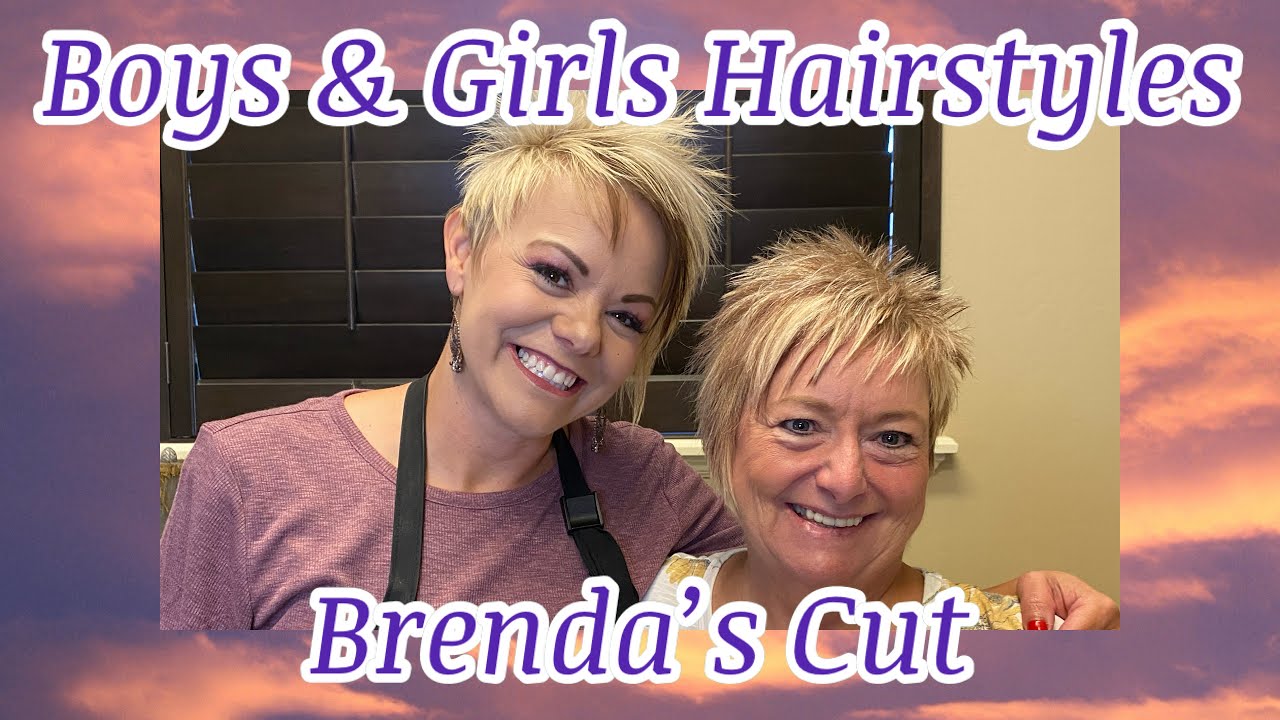
Tapered short pixie
The pixie variation with faded sides. Reduces daily styling time further.

Linda's stacked bob
The bob variation for fine hair. Structural volume built into the cut.
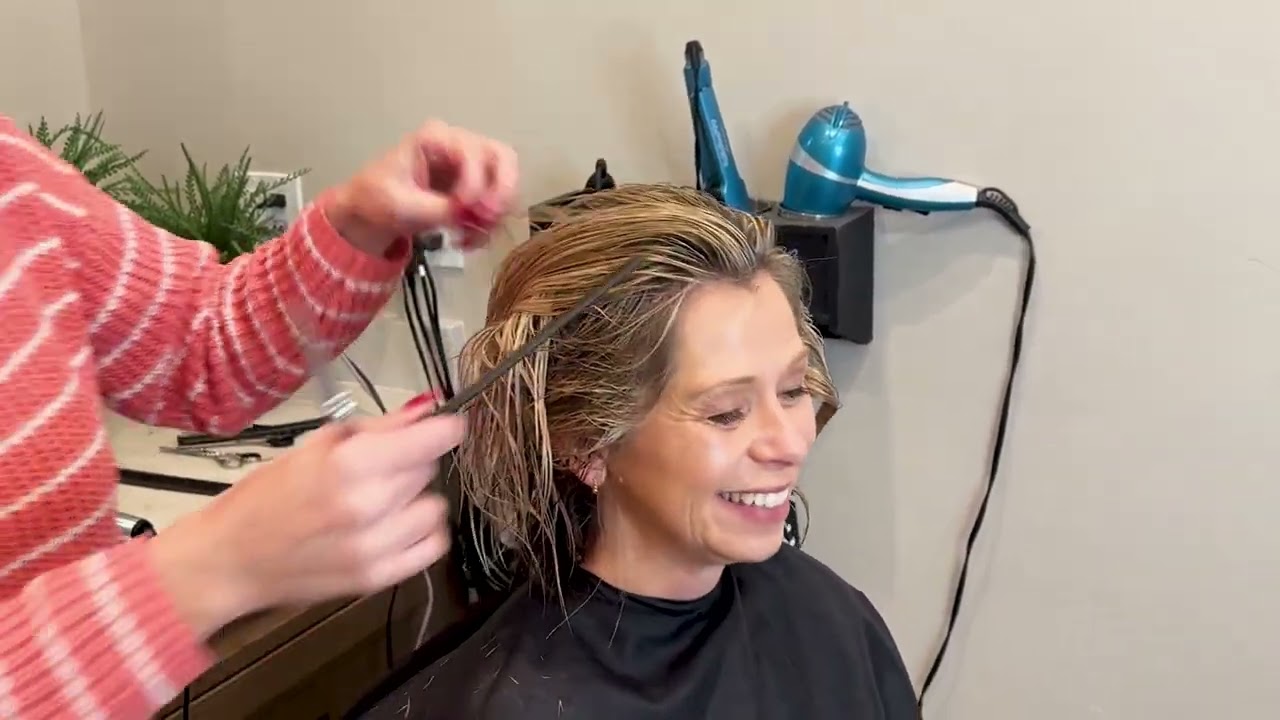
DeeAnn's choppy bob
The bob variation with movement. Point-cut ends create natural texture.
Which cut wins for each face shape
Generally, face shape is the single most important factor after lifestyle. Specifically, the verdicts below come from RaDona's consultation process — refined across hundreds of pixie and bob cuts.
| Face shape | Verdict | Best specific cut |
|---|---|---|
| Oval | Either works equally | Pick based on lifestyle, not face shape |
| Round | Pixie wins (slight edge) | Textured pixie or side-swept pixie |
| Square | Pixie wins | Side-swept pixie softens angular jaw |
| Heart | Bob wins | Stacked bob with soft bangs balances narrower chin |
| Long/oblong | Bob wins | Curtain-fringe bob shortens visual face length |
| Diamond | Bob wins (slight edge) | Layered bob adds width at jaw level |
Which cut wins for each hair type
Generally, the second most important factor is your hair's actual behavior. Specifically, the cuts that flatter each hair type are different even on the same face shape.
| Hair type | Verdict | Why this wins |
|---|---|---|
| Fine & thinning | Bob (slight edge) | Blunt bob maximizes thickness illusion; textured pixie is close second |
| Medium thickness | Either works | Most options open — lifestyle is the deciding factor |
| Thick & coarse | Pixie wins | Pixie removes bulk beautifully; bobs can look heavy |
| Naturally curly | Pixie (curly version) | Curly pixie celebrates texture; curly bobs harder to maintain |
| Gray & silver | Pixie wins | Silver pixie showcases gray as completely intentional |
| Color-treated | Bob wins | Less frequent salon visits = better color longevity |
Pixie vs bob — eight questions RaDona gets most
Generally, the difference between a bob cut and a pixie cut comes down to length and silhouette. Specifically, a pixie is cropped close at the back and sides with 1-3 inches of length on top — typically 2-4 inches total. A bob falls between chin and shoulder length with a defined perimeter, typically 4-12 inches. Notably, the pixie produces a bolder, more structural statement while the bob offers more versatility and styling options. Both are classic short-hair choices, but they create dramatically different daily routines.
Generally, neither is objectively better — the right choice depends on four factors: your daily styling time, your salon-visit frequency, your face shape, and your hair type. Specifically, the pixie wins for women who want 3-minute morning routines and bold statements. The bob wins for women who want versatility and lower commitment. Notably, the pixie-bob hybrid is the right answer for women who cannot decide between the two. The 5-question decision tree above is designed to surface your right answer in under a minute.
Generally, a pixie-bob is a hybrid cut that lives between a pixie and a bob. Specifically, the back is cut pixie-short (just past the ears) while the front pieces stay long enough to tuck behind the ears — usually chin or jaw length. Notably, this hybrid solves the main problems of both options: it styles faster than a bob, needs less frequent salon visits than a pixie, allows partial pull-back, and grows out more gracefully than a true pixie. It is the cut RaDona recommends most often for clients who arrive undecided.
Generally, both options work for fine hair when cut correctly — but with different strengths. Specifically, the blunt bob creates the strongest illusion of thickness because no interior layering removes weight from the perimeter. The textured pixie achieves similar density illusion at a shorter length by using choppy point-cut layers. Notably, the blunt bob wins by a slight edge for severely thinning hair, while the textured pixie wins for hair that is fine but still has full coverage. Both are dramatically better than mid-length cuts for fine hair.
Generally, growing out a pixie cut into a bob takes 8 to 14 months. Specifically, hair grows about half an inch per month — so transitioning from a 2-inch pixie to a 6-inch chin-length bob takes roughly 8 months. Notably, the in-between stages include the long pixie (months 2-4) and the pixie-bob hybrid (months 5-8), which can actually look intentional rather than awkward. Plan trims every 6-8 weeks during the grow-out to keep the shape evolving rather than just getting longer.
Generally, both pixies and bobs work beautifully for women over 60 — RaDona cuts equal numbers of each on over-60 clients. Specifically, the silver pixie is a standout choice for women growing out their gray because it showcases the natural color as completely intentional. The stacked bob is equally popular because it creates structural fullness that compensates for naturally thinning mature hair. Notably, the choice for women over 60 follows the same decision tree as younger women — lifestyle and styling time matter more than age.
Generally, pixie bob styling is the in-between of the two pure options. Specifically, the daily routine takes 4-5 minutes — apply a small amount of styling cream to damp hair, blow-dry with fingers (no round brush needed), and finish with light texture spray. Notably, the pixie-bob hybrid does not require the round-brush technique a true bob needs, but it allows for a slightly more polished finish than a pure pixie. The front pieces can be tucked behind the ears or left to frame the face depending on the day.
Generally, the pixie grow-out has more awkward stages than the bob. Specifically, a bob simply grows into a longer bob over time — graceful at every length. A pixie passes through 2-3 awkward stages (months 3-5) when the back grows out but the sides and crown have not caught up. Notably, scheduling salon visits every 6 weeks during grow-out and asking the stylist to "shape the grow-out" rather than just trim makes the transition far smoother. Plan ahead — do not let a pixie grow without intentional shaping.
Sources & Methodology
Generally, the recommendations in this guide come from real-world salon experience plus tracked client outcomes. Specifically:
- RaDona's salon experience — 25 years cutting both pixies and bobs in her Utah salon.
- YouTube channel — 800+ tutorials, 180K+ subscribers, 14 years documenting real client transformations.
- Real client outcomes — every cut tracked across hundreds of clients before recommendation.
- Bon Losee Academy — formal cosmetology training in both pixie and bob cutting techniques.
- Consultation data — what undecided clients actually want and what they end up loving.
- Long-term follow-up — outcomes tracked at 2, 6, 12, and 26 weeks post-cut.
- Industry references — published professional standards on each cutting family.
- Cross-checking with specialists — input from colleagues specializing in pixies and bobs separately.
Methodology note: When the decision tree and a client's gut feeling disagree, the gut feeling almost always wins. The right cut is one the wearer feels confident in.
Published: Original 2025 · Last updated: May 2026 · Next scheduled review: November 2026.
The pixie and bob styling kit
Generally, both pixies and bobs need quality styling tools. Specifically, the products on RaDona's Amazon storefront work for either cut — texture sprays, lightweight styling creams, round brushes, and the heat protectants that keep both pixies and bobs looking salon-fresh between visits.