
 ▶
Breakout transformation
This Pixie Cut Changed Everything
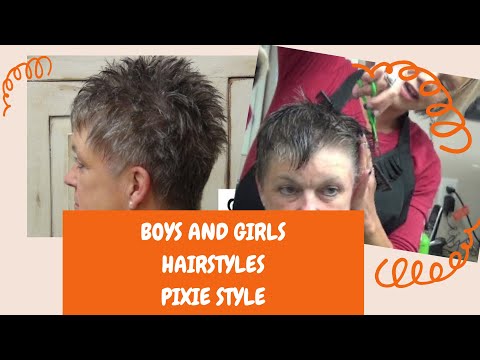
Start here to see a dramatic mature-hair pixie transformation from the first cut through the finished shape.
Watch on YouTubeThe best pixie after 60 is not defined by age—it is defined by proportion. Crown length, fringe, ear coverage, neckline and texture decide whether the cut feels soft, polished, full, edgy or easy to grow out.
A soft textured pixie with enough crown and fringe length to stay flexible is the safest all-around starting point. Fine hair often benefits from shorter overall length and controlled crown layers; thick or curly hair can support more internal removal and texture.
If you are nervous about going short, keep more length around the ears and front. If lift is the main priority, take more weight off the sides and nape.
Those are the details that determine whether a pixie feels polished, flattering and easy to maintain. These real transformations make the differences much easier to judge.
▶
Start here to see a dramatic mature-hair pixie transformation from the first cut through the finished shape.
Watch on YouTube ▶
Compare a current over-60 version with modern surface texture and short-hair lift.
Watch on YouTube ▶
Use this if you want a polished shape with less edge and a more traditional short-hair silhouette.
Watch on YouTubeThe word “pixie” covers many different shapes. The most useful decision is how much length you want at the crown and fringe, and how exposed you want the ears and neckline to be.

Short through the back and sides with enough top length for movement and a softer front.

Shorter length reduces weight while controlled crown layers create root lift without over-thinning the ends.
A neat neckline and controlled crown create a refined shape that is easy to direct in the morning.

Keep more length through the fringe and sides for styling flexibility and a softer first step into short hair.
A side-swept or soft forward fringe changes the visual balance of the face while keeping the overall cut short.

Short, separated crown pieces create height and energy without requiring much overall length.

Keep enough length for the curl pattern to form, then shape the cut around the natural spring and shrinkage.

Defined short layers can showcase the tonal variation already present in natural gray and silver hair.

Keep the temple and ear area clean enough for frame arms while balancing the upper face with fringe.
Use stronger separation, asymmetry or a tighter side to make the haircut more directional and contemporary.
Fine hair often falls flatter when longer lengths pull the roots down. Shortening the haircut makes root direction easier and can create a fuller silhouette without relying on heavy product.
But avoid over-thinning already-light areas. Fine strands and thinning density are different issues, and the cut should be customized to the actual amount of hair present.
Natural silver often contains multiple tones. A pixie can make those shifts more visible because the surface texture catches light from different angles. The cut still needs to respect density and natural texture.
Longer front pieces can soften the forehead and keep the cut from feeling too exposed.
Separate the outer pieces without carving deeply into already-fine hair.
A neat nape and intentional side shape keep the haircut feeling sharp even when the top stays soft.
Face-shape labels are starting points, not rules. The useful question is where you want visual height, softness, width or fringe.
| What you want | Pixie direction | Useful adjustment | Compare |
|---|---|---|---|
| More vertical lift | Textured or spiky pixie | Keep more crown length and tighter sides | Watch RaDona's spiky pixie |
| Softer jaw / temples | Face-framing pixie | Leave longer pieces near temples and cheekbones | Use the Face Shape Guide |
| Less forehead exposure | Pixie with fringe | Keep a side-swept or soft forward fringe | Try a long pixie or bixie |
| More side softness | Long pixie | Preserve length near ears and temples | Compare Bixies Over 60 |
Natural curl and glasses change how a short haircut behaves around the temples, ears and fringe. Treat them as design inputs from the beginning.
Keep enough length for the curl to form and account for shrinkage before deciding how short to cut.
Balance the temple pieces, fringe and ear coverage with the shape and arms of your everyday frames.
If the pixie feels too open around the ears or neckline, move one step longer into the bob-pixie middle ground.
Use the client whose starting hair and desired finish most closely match yours. That is usually a more useful reference than choosing by age alone.
 ▶
Use this as a real-client reference when you want a polished shorter shape after 60.
Watch transformation
▶
See how natural curl changes the volume and silhouette once the weight of longer hair is removed.
Watch transformation
▶
Compare how short texture can show natural silver dimension while keeping the outline clean.
Watch transformation“Pixie” alone leaves too much open to interpretation. Bring the closest RaDona transformation and be specific about how short or soft each area should feel.
Short hair exposes growth sooner than long hair. The tradeoff is a simpler morning routine when the haircut itself carries the shape.
Blow-dry where you want lift before adding texture products.
Set the front in the direction you actually wear it every day.
Use a small amount of paste or cream only where the cut needs definition.
Trim before the nape, ear area and crown lose the intended proportions.
| Pixie type | Morning styling | Approx. trim window | Best reason to choose it |
|---|---|---|---|
| Short tapered pixie | 2–5 minutes | About 4–5 weeks | Clean outline and maximum lift |
| Soft textured pixie | 3–7 minutes | About 5–6 weeks | Balance of softness and movement |
| Long pixie | 4–8 minutes | About 5–7 weeks | More styling flexibility |
| Curly pixie | 5–10 minutes | About 5–7 weeks | Natural texture and dimensional volume |
This page is the core Women Over 60 + pixie keeper. Use the main pixie hub to go broader, or move into fine hair, bixie, curly pixie and neighboring short-hair pages for a more specific decision.
Use the hubs when you want more age-based options or pixies across multiple age groups.
Move sideways when you want more perimeter, more density or a different short-hair commitment level.
Use these when curl pattern, face proportions or thinning density changes the haircut decision.
The page helps you compare density, texture, fringe, glasses, silver hair and maintenance. RaDona's videos show the actual starting hair, cutting process and finished silhouette from multiple angles.
RaDona is a licensed cosmetologist and salon owner in Nephi, Utah who has worked behind the chair since 2000. Her pixie guidance comes from real short-hair consultations, maintenance cycles and client styling routines.
A useful pixie consultation is specific: crown length, fringe, density, cowlicks, ears, neckline, natural texture, glasses and styling time all influence the final result.
Save one pixie you love and one that feels too short. Then talk through crown length, fringe, ear coverage, neckline and how much daily styling you actually want to do.
These answers are starting points. The final pixie should be customized to your actual density, texture, glasses, neckline and styling preferences.
Yes. A pixie can create lift, simplify styling and bring more attention to the face. The most flattering version depends on density, natural texture, glasses, fringe preference and how short you want the ears and neckline.
A soft textured or layered pixie with enough crown length for lift is often a strong choice. Fine hair should not be over-thinned; the cut should preserve density in sparse areas while reducing enough length to prevent collapse.
Yes. Short textured layers can show the natural tonal variation in gray and silver hair especially well. Keep the silhouette intentional and choose texture based on density.
A soft pixie with controlled temple pieces and a side-swept or flexible fringe often works well. The hair around the ears should be shaped with the glasses arms in mind.
Yes. Curly pixies should be shaped around the natural curl pattern and shrinkage rather than copied from a straight-hair reference. Keeping enough length for the curl to form is essential.
Many pixies look most intentional with trims about every 4 to 7 weeks. Very short tapered cuts usually need maintenance sooner, while longer pixies can often go a little longer.
A pixie is generally shorter around the ears, sides and neckline. A bixie keeps more bob-like perimeter and softness around the face while still using short-hair layering for movement.
Bring one or two real examples and describe the neckline, ear coverage, fringe length, crown lift and how much daily styling you want. Avoid relying on the word pixie alone.
Decide how much crown lift, fringe and ear coverage you want. Then compare the closest real-client transformation and take that exact example to your stylist.