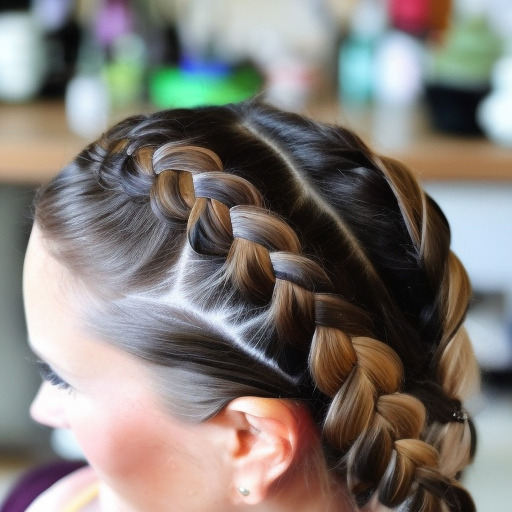
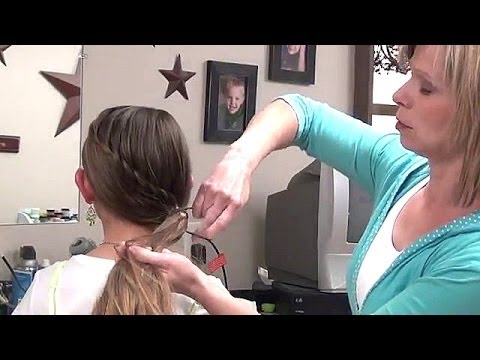
French Braid Tutorial – Are you interested in learning how to French braid your own hair? Maybe you’ve seen the fancy French braids on celebrities or influencers and want to learn how you can incorporate them into your own hairstyle routine. Don’t worry, with a little practice anyone can do an easy French braid! We will show you step-by-step instructions for creating a beautiful look that works for any occasion. In this guide, we provide all the essential tips and tricks so that you can feel confident in creating simple yet stunning classic looks with a French braid of your own. All it takes is a few steps to turn your everyday hairstyle into something special ready for any event – follow along as we show you how!
Easy French Braid Tutorials
If you want to learn an updated take on the traditional French braid, look no further than this easy French braid tutorial! The steps within this French braid self tutorial are straightforward and simple to follow, teaching even a French braid newbie all that they need to know. Through this easy French braid tutorial, anyone can create the perfect French-braided hairstyle in no time at all. Whether you’re preparing your hair for a party or just looking for a fun hairstyle change, this tutorial offers everything you need to get started.
French Braid Self Tutorials
If you are a beginner looking to learn How to French Braid, having a French Braid Self Tutorial on hand will make the learning process much easier. With the help of visual aids and detailed instructions, the French braid self tutorials provide step-by-step guidelines which can be easily followed by anyone regardless of their hair type or experience level. Moreover, French braid tutorials allow users to learn at their own pace and master French braids in as little or as much time they need.
Learning to french braid your own hair is one of the greatest accomplishments a person can make. It’s not difficult to learn either; with some practice and patience you’ll be french-braiding like a pro in no time. Beginners just starting out should start off with some helpful tips and tricks. A french braid tutorial might be a great resource to help you better understand the basics, such as learning how to split your hair into three sections and crossing them over as you weave them together. With these starting steps as a foundation, french braids can easily become something that you look forward to doing each day!
Mastering the Art of French Braiding: Final Thoughts and TipsConclusion
After a few steps and some practice, you now know the basics of how to French Braid! Not only did you learn to French braid your own hair, but you also gained confidence in yourself for completing something that once may have seemed impossible. Whether this is your first time French braiding or if you’re a seasoned professional by now, practice makes perfect. Take small sections at a time and add more as you get more comfortable with the technique.
As always, experimenting with other styles and techniques can help make each new look feel customized and unique to your personal style. A great French braid can take your everyday look up a notch while also providing a great way to keep bangs away from your face or pull any thick hair out of the way. Check out all of our hair tutorials on YouTube to explore different styling techniques and looks!
braid, french braid, ponytail, pigtail, hair care, comb, rubber band, bobby pin, brush, forehead, neck, nape, knot, bun, thumb, cosmetology, ear, beauty, scalp, finger, fashion, tutorial, the crown, email address, french plait tutorial, french braiding tutorial, length, posted, sewing, mane
Frequently Asked Questions
How do you do a French braid step by step?
The steps to create a French braid are as follows: Start by gathering a section of hair at the crown, divide it into three equal strands, then cross the right strand over the middle, followed by the left over the new middle, and continue adding hair from the sides until you reach the nape.
How to French braid hair step by step for beginners tutorial?
The French braid tutorial for beginners involves sectioning the hair into three equal parts, gradually adding hair from the sides while braiding down the center, ensuring a tight, neat finish. Keep practicing for improved technique!
How to French braid your own hair easy tutorial?
Learning how to French braid your own hair is easy with the right steps. Start by sectioning your hair into three equal parts at the crown, then cross the outer strands over the middle while adding small pieces from the sides as you go downwards. Continue until you reach the ends, then secure with a hair tie.
What supplies do you need for French braiding?
The supplies needed for French braiding include a hairbrush or comb to detangle hair, hair ties to secure the braid, and optional hair clips for sectioning. A bit of styling product can help manage frizz and add hold.
Can children learn to French braid easily?
Children can learn to French braid easily with practice and guidance. With a little patience and step-by-step instruction, they can master this skill, making it a fun and creative activity for them.
What common mistakes to avoid while braiding?
Common mistakes to avoid while braiding include not sectioning hair evenly, pulling the strands too tight, and neglecting to keep tension consistent. These errors can lead to uneven braids and discomfort, so take your time and practice.
How long does it take to learn?
Learning to braid French hair can vary in time, but most beginners can grasp the technique within a few practice sessions, usually taking anywhere from 30 minutes to an hour to become comfortable with the process.
Are there variations of the French braid?
There are several variations of the French braid, including the Dutch braid, which features an inverted structure, and the fishtail braid, known for its unique overlapping technique. These styles offer creative alternatives while maintaining the elegance of the French braid.
What hairstyles can include a French braid?
Many hairstyles can incorporate a French braid, including casual styles like ponytails, updos, and half-up hairstyles. This versatile braid adds elegance to everyday looks and can be dressed up for special occasions.
How to secure a French braid properly?
Securing a French braid properly involves using a hair tie to hold the braid at the end tightly, ensuring it doesn’t unravel. For added hold, you can also use hairpins or bobby pins to secure any loose sections.
Is it better to braid hair wet or dry?
Braid hair when it is dry for best results. Dry hair allows for better control and definition of the braid, preventing it from becoming frizzy or losing its shape. Wet hair can be slippery and harder to manage during styling.
What are tips for holding hair while braiding?
Tips for holding hair while braiding include using both hands to secure sections tightly, employing a non-slip hair tie for extra grip, and ensuring your fingers are positioned evenly to maintain control and tension as you braid.
How to make a French braid look fuller?
To make a French braid look fuller, gently pull apart the sections of the braid after securing it. This technique adds volume and creates a fuller appearance, enhancing the overall look of your hairstyle.
What type of hair is best for braiding?
The best type of hair for braiding is generally medium to thick hair, as it provides enough texture and grip to hold the braid securely. Straight, wavy, or curly hair all work well, but hair that’s freshly washed and slightly damp can be easier to manage.
How to add accessories to a French braid?
Adding accessories to a French braid can enhance its style. Simply weave in ribbons, flowers, or hairpins as you braid, ensuring they're secure while maintaining an even look throughout.
How can I practice French braiding on dolls?
Practicing French braiding on dolls can be a great way to refine your skills. Simply section the doll's hair, mimic the French braid technique, and use clips if needed to keep sections separate as you braid.
Should I use products before braiding hair?
Using products before braiding hair can enhance hold and manageability. Applying a lightweight styling cream or mousse helps tame frizz and adds grip, making it easier to achieve a neat and lasting braid.
How to create a messy French braid?
Creating a messy French braid involves loosely gathering hair while incorporating sections from the sides. Start by pulling the hair into a traditional French braid, but instead of tightening, gently tug at the sections for a relaxed, tousled look.
What age is appropriate to start braiding?
The appropriate age to start braiding is typically around 6 to 8 years old, when children can effectively manage their hand-eye coordination and follow simple instructions for basic braiding techniques.
Can French braids be done on short hair?
French braids can indeed be done on short hair, though they may require more technique and patience. You can create smaller sections or use braiding techniques like a mini French braid to accommodate shorter strands.
What are the steps to reverse French braid?
The steps to reverse French braid are as follows: start by gathering a section of hair from the front, divide it into three equal strands, and cross the outer strands under the middle one, adding more hair from the scalp as you go along.
How to maintain a French braid throughout the day?
Maintaining a French braid throughout the day involves using a lightweight hairspray for hold and securing it with a few bobby pins if needed. Additionally, avoid excessive touching to prevent loosening.
Is it necessary to section hair before braiding?
Sectioning hair before braiding is beneficial as it helps keep strands organized and ensures an even and polished braid. While not strictly necessary, it enhances control and makes the braiding process easier, especially for beginners.
How to French braid without tangling hair?
French braiding without tangling hair requires a few techniques. Start with smooth, detangled hair, use a light leave-in conditioner to prevent snags, and braid slowly while adjusting the tension as needed to keep strands even and manageable.
What styles pair well with French braids?
Styles that pair well with French braids include loose updos, ponytails, and half-up hairstyles. These combinations enhance the elegance of the braid while adding versatility to your overall look.
How to take down a French braid carefully?
Taking down a French braid carefully involves gently unfastening the braid from the bottom up. Start by removing any hair ties, then slowly unravel each section to prevent hair breakage and tangles.
How many sections are needed for a French braid?
A French braid requires three sections of hair. You will work with these three sections, overlapping them to create the braided appearance.
What techniques enhance a beginners braiding skills?
Techniques that enhance a beginner's braiding skills include practicing with smooth, tangle-free hair, using smaller sections for better control, and watching tutorials for visual guidance. Regular practice and patience are key to improvement.
How to French braid with multiple colors?
French braiding with multiple colors involves selecting different hair strands or using colorful hair extensions. Begin by dividing the hair into three sections, ensuring each section incorporates a colored piece, and braid as usual, alternating colors as you go for a vibrant look.
What is the best way to practice braiding?
The best way to practice braiding is to start with a doll or a friend’s hair, dividing it into sections and slowly working through the braiding technique. Consistent practice will help you gain confidence and improve your skills.
french braids tutorial, tutorial for french braid, french braid tutorial for kids, french braid tutorial step by step, french braid boys
Comprehensive Guide to French Braiding
This comprehensive guide aims to equip readers with all the necessary techniques and tips for mastering the art of French braiding. Whether you are a novice or looking to refine your skills, this resource provides a structured approach to understanding the nuances of creating beautiful French braids.
From the initial preparation of your hair to the final touches of securing the braid, this guide will walk you through each step. With clear instructions and visual aids, you will learn how to create various styles, ensuring that you feel confident in your braiding abilities.
Essential Tools for French Braiding
Before diving into the braiding process, it's important to gather the right tools. Essential items include a quality hairbrush or comb for detangling, hair ties for securing the braid, and optional clips to keep sections separate during the braiding process.
Using the right tools not only makes the braiding process smoother but also enhances the final look of your braid. Investing in non-slip hair ties and a good detangler can significantly improve your experience and results.
Common Mistakes to Avoid When French Braiding
Many beginners encounter common pitfalls when learning to French braid, such as uneven sections or inconsistent tension. Recognizing and avoiding these mistakes can save time and frustration, leading to a more polished and professional-looking braid.
For example, failing to section hair evenly can result in a lopsided braid, while pulling the strands too tightly can cause discomfort and breakage. By being mindful of these common errors, you can improve your technique and achieve the desired results faster.
Creative Variations of the French Braid
Once you've mastered the classic French braid, exploring creative variations can add flair to your hairstyling repertoire. Variations such as the Dutch braid, which features an inverted technique, or the fishtail braid, known for its unique overlapping pattern, can elevate your styling game.
Experimenting with these different styles allows for personalization and creativity in your hairstyles. Incorporating elements like ribbons or decorative pins can also enhance the overall aesthetic, making your braids stand out for any occasion.
braid, french braid, ponytail, pigtail, hair care, comb, rubber band, bobby pin, brush, forehead, neck, nape, knot, bun, thumb, cosmetology, ear, beauty, scalp, finger, fashion, tutorial, the crown, email address, french plait tutorial, french braiding tutorial, length, posted, sewing, mane
Frequently Asked Questions
How do you do a French braid step by step?
The steps to create a French braid are as follows: Start by gathering a section of hair at the crown, divide it into three equal strands, then cross the right strand over the middle, followed by the left over the new middle, and continue adding hair from the sides until you reach the nape.
How to French braid hair step by step for beginners tutorial?
The French braid tutorial for beginners involves sectioning the hair into three equal parts, gradually adding hair from the sides while braiding down the center, ensuring a tight, neat finish. Keep practicing for improved technique!
How to French braid your own hair easy tutorial?
Learning how to French braid your own hair is easy with the right steps. Start by sectioning your hair into three equal parts at the crown, then cross the outer strands over the middle while adding small pieces from the sides as you go downwards. Continue until you reach the ends, then secure with a hair tie.
What supplies do you need for French braiding?
The supplies needed for French braiding include a hairbrush or comb to detangle hair, hair ties to secure the braid, and optional hair clips for sectioning. A bit of styling product can help manage frizz and add hold.
Can children learn to French braid easily?
Children can learn to French braid easily with practice and guidance. With a little patience and step-by-step instruction, they can master this skill, making it a fun and creative activity for them.
What common mistakes to avoid while braiding?
Common mistakes to avoid while braiding include not sectioning hair evenly, pulling the strands too tight, and neglecting to keep tension consistent. These errors can lead to uneven braids and discomfort, so take your time and practice.
How long does it take to learn?
Learning to braid French hair can vary in time, but most beginners can grasp the technique within a few practice sessions, usually taking anywhere from 30 minutes to an hour to become comfortable with the process.
Are there variations of the French braid?
There are several variations of the French braid, including the Dutch braid, which features an inverted structure, and the fishtail braid, known for its unique overlapping technique. These styles offer creative alternatives while maintaining the elegance of the French braid.
What hairstyles can include a French braid?
Many hairstyles can incorporate a French braid, including casual styles like ponytails, updos, and half-up hairstyles. This versatile braid adds elegance to everyday looks and can be dressed up for special occasions.
How to secure a French braid properly?
Securing a French braid properly involves using a hair tie to hold the braid at the end tightly, ensuring it doesn’t unravel. For added hold, you can also use hairpins or bobby pins to secure any loose sections.
Is it better to braid hair wet or dry?
Braid hair when it is dry for best results. Dry hair allows for better control and definition of the braid, preventing it from becoming frizzy or losing its shape. Wet hair can be slippery and harder to manage during styling.
What are tips for holding hair while braiding?
Tips for holding hair while braiding include using both hands to secure sections tightly, employing a non-slip hair tie for extra grip, and ensuring your fingers are positioned evenly to maintain control and tension as you braid.
How to make a French braid look fuller?
To make a French braid look fuller, gently pull apart the sections of the braid after securing it. This technique adds volume and creates a fuller appearance, enhancing the overall look of your hairstyle.
What type of hair is best for braiding?
The best type of hair for braiding is generally medium to thick hair, as it provides enough texture and grip to hold the braid securely. Straight, wavy, or curly hair all work well, but hair that’s freshly washed and slightly damp can be easier to manage.
How to add accessories to a French braid?
Adding accessories to a French braid can enhance its style. Simply weave in ribbons, flowers, or hairpins as you braid, ensuring they're secure while maintaining an even look throughout.
How can I practice French braiding on dolls?
Practicing French braiding on dolls can be a great way to refine your skills. Simply section the doll's hair, mimic the French braid technique, and use clips if needed to keep sections separate as you braid.
Should I use products before braiding hair?
Using products before braiding hair can enhance hold and manageability. Applying a lightweight styling cream or mousse helps tame frizz and adds grip, making it easier to achieve a neat and lasting braid.
How to create a messy French braid?
Creating a messy French braid involves loosely gathering hair while incorporating sections from the sides. Start by pulling the hair into a traditional French braid, but instead of tightening, gently tug at the sections for a relaxed, tousled look.
What age is appropriate to start braiding?
The appropriate age to start braiding is typically around 6 to 8 years old, when children can effectively manage their hand-eye coordination and follow simple instructions for basic braiding techniques.
Can French braids be done on short hair?
French braids can indeed be done on short hair, though they may require more technique and patience. You can create smaller sections or use braiding techniques like a mini French braid to accommodate shorter strands.
What are the steps to reverse French braid?
The steps to reverse French braid are as follows: start by gathering a section of hair from the front, divide it into three equal strands, and cross the outer strands under the middle one, adding more hair from the scalp as you go along.
How to maintain a French braid throughout the day?
Maintaining a French braid throughout the day involves using a lightweight hairspray for hold and securing it with a few bobby pins if needed. Additionally, avoid excessive touching to prevent loosening.
Is it necessary to section hair before braiding?
Sectioning hair before braiding is beneficial as it helps keep strands organized and ensures an even and polished braid. While not strictly necessary, it enhances control and makes the braiding process easier, especially for beginners.
How to French braid without tangling hair?
French braiding without tangling hair requires a few techniques. Start with smooth, detangled hair, use a light leave-in conditioner to prevent snags, and braid slowly while adjusting the tension as needed to keep strands even and manageable.
What styles pair well with French braids?
Styles that pair well with French braids include loose updos, ponytails, and half-up hairstyles. These combinations enhance the elegance of the braid while adding versatility to your overall look.
How to take down a French braid carefully?
Taking down a French braid carefully involves gently unfastening the braid from the bottom up. Start by removing any hair ties, then slowly unravel each section to prevent hair breakage and tangles.
How many sections are needed for a French braid?
A French braid requires three sections of hair. You will work with these three sections, overlapping them to create the braided appearance.
What techniques enhance a beginners braiding skills?
Techniques that enhance a beginner's braiding skills include practicing with smooth, tangle-free hair, using smaller sections for better control, and watching tutorials for visual guidance. Regular practice and patience are key to improvement.
How to French braid with multiple colors?
French braiding with multiple colors involves selecting different hair strands or using colorful hair extensions. Begin by dividing the hair into three sections, ensuring each section incorporates a colored piece, and braid as usual, alternating colors as you go for a vibrant look.
What is the best way to practice braiding?
The best way to practice braiding is to start with a doll or a friend’s hair, dividing it into sections and slowly working through the braiding technique. Consistent practice will help you gain confidence and improve your skills.
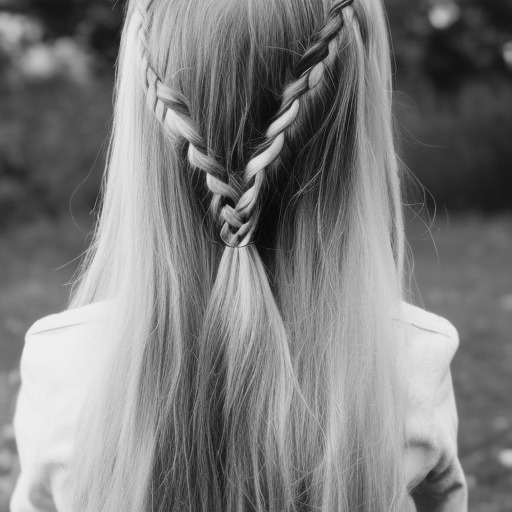
french braids tutorial, tutorial for french braid, french braid tutorial for kids, french braid tutorial step by step, french braid boys
Comprehensive Guide to French Braiding
This comprehensive guide aims to equip readers with all the necessary techniques and tips for mastering the art of French braiding. Whether you are a novice or looking to refine your skills, this resource provides a structured approach to understanding the nuances of creating beautiful French braids.
From the initial preparation of your hair to the final touches of securing the braid, this guide will walk you through each step. With clear instructions and visual aids, you will learn how to create various styles, ensuring that you feel confident in your braiding abilities.
Essential Tools for French Braiding
Before diving into the braiding process, it's important to gather the right tools. Essential items include a quality hairbrush or comb for detangling, hair ties for securing the braid, and optional clips to keep sections separate during the braiding process.
Using the right tools not only makes the braiding process smoother but also enhances the final look of your braid. Investing in non-slip hair ties and a good detangler can significantly improve your experience and results.
Common Mistakes to Avoid When French Braiding
Many beginners encounter common pitfalls when learning to French braid, such as uneven sections or inconsistent tension. Recognizing and avoiding these mistakes can save time and frustration, leading to a more polished and professional-looking braid.
For example, failing to section hair evenly can result in a lopsided braid, while pulling the strands too tightly can cause discomfort and breakage. By being mindful of these common errors, you can improve your technique and achieve the desired results faster.
Creative Variations of the French Braid
Once you've mastered the classic French braid, exploring creative variations can add flair to your hairstyling repertoire. Variations such as the Dutch braid, which features an inverted technique, or the fishtail braid, known for its unique overlapping pattern, can elevate your styling game.
Experimenting with these different styles allows for personalization and creativity in your hairstyles. Incorporating elements like ribbons or decorative pins can also enhance the overall aesthetic, making your braids stand out for any occasion.