
What Changes About Hair in Your 70s — and What Doesn't
Hair in the 70s behaves differently to hair in the 50s, and a great stylist accounts for that. Understanding what's actually changed helps you make better decisions about cuts, products, and routines.
The scalp produces significantly less sebum in the 70s than in earlier decades, which means hair dries out more quickly at every stage — washing, styling, and between washes. This isn't a product problem. It's structural, and the correct response is a richer conditioner, a weekly mask, and heat protectant every single time any heat tool is used.
Many women find that straight hair develops a slight wave in the 70s, or that wavy hair loses definition. This isn't a problem — it's a texture change that a good stylist can work with rather than against. The cut should follow the hair's actual current texture, not the texture it had 20 years ago.
Natural silver and white hair has a luminosity that no single-process colour can replicate. The mix of slightly different strand tones catches light from every angle simultaneously. The challenge is dullness — not the colour itself but the build-up and dryness that flatten it. The care section of this guide covers exactly how to keep silver brilliant.
Arthritis, reduced grip strength, and changes in energy mean that a 20-minute morning routine that was manageable at 55 may feel like too much at 75. The best hairstyle for women over 70 is one that looks polished after 5 minutes — not 20. Every style in this guide meets that test.
Watch: RaDona's Tutorials for Mature Women's Hair
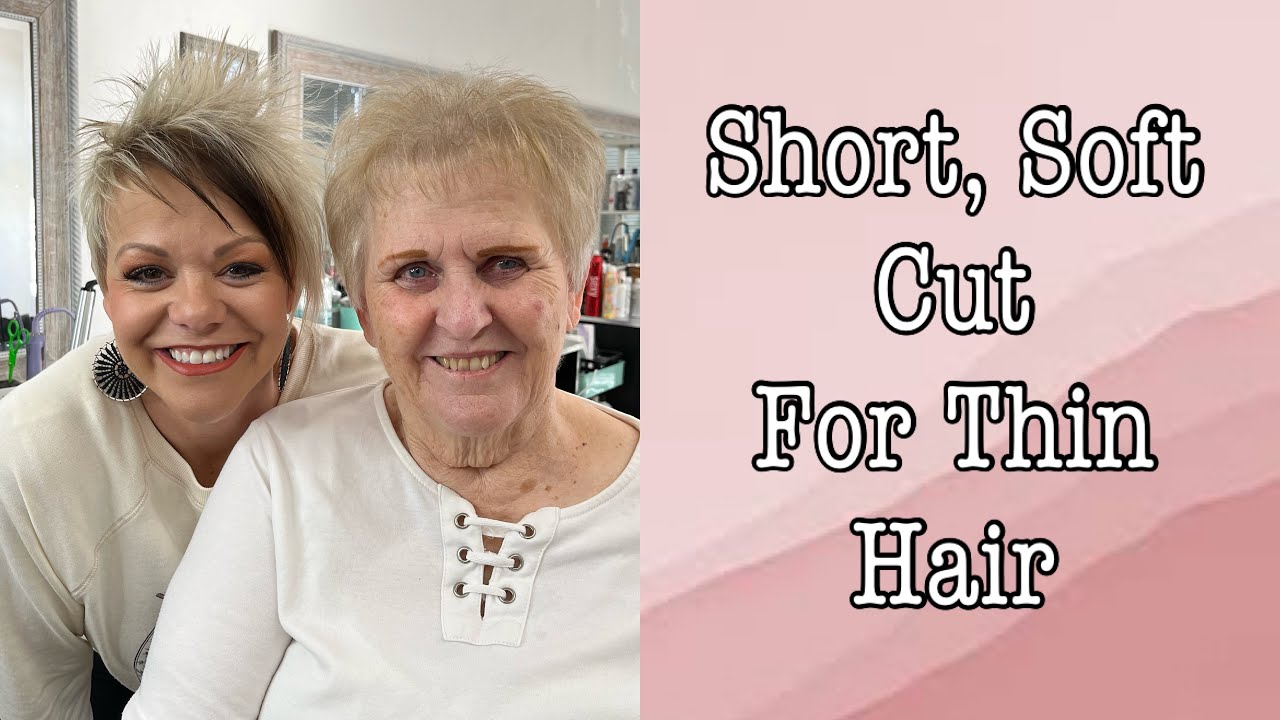
Three salon videos from the channel — the full pixie transformation, a complete short haircut on a mature woman, and the perfect bob tutorial. Together they cover the most requested styles at every length for women over 70.
The 7 Most Flattering Hairstyles for Women Over 70
Every style here meets three criteria: it flatters mature facial features, it works within a realistic daily routine, and it looks like a deliberate, confident choice rather than a concession.
The soft pixie is the single most requested style in RaDona's salon for women over 70 — and the style clients most often say they wish they'd tried sooner. At this length, the weight that drags fine hair down is completely removed. Natural silver springs fully alive. The morning routine is wash, mousse, diffuse 5 minutes, a touch of clay on the crown. Done. For women with reduced grip strength or limited arm mobility, this is often the most genuinely practical cut available.
The "soft" distinction matters: a soft pixie has slightly longer pieces at the temples and crown, textured rather than slicked or spiky. It frames the face gently rather than creating harsh lines. It is modern and confident, not severe.

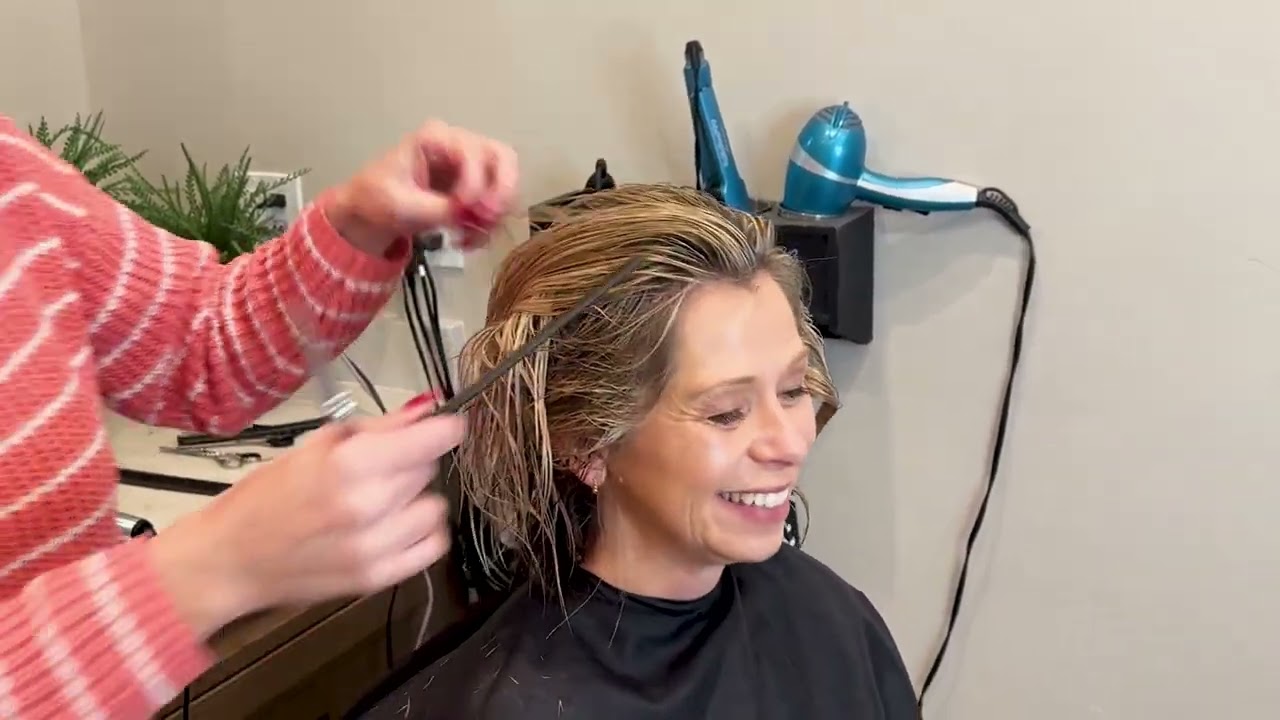
The layered bob at jaw to collarbone length is the other most-requested style — chosen by women who want the bob's volume and face-framing qualities but prefer a little more length than the pixie. Interior layers remove the weight that makes fine mature hair lie flat, producing movement and body that finer hair couldn't generate at longer lengths.
The bob's key advantage for women over 70: it looks polished with almost no effort. A quick rough-dry with fingers, one pass of a round brush at the ends, and the shape is set. On non-wash days it maintains the shape on its own. A dry shampoo at the roots refreshes without requiring a full style.
A short overall length — between ear and jaw — with soft, wispy fringe sitting just above the brows. This combination is one of the most specifically flattering styles for women in their 70s because the fringe does two things simultaneously: it softens the forehead in a way no other styling choice achieves, and it frames the eyes — drawing attention to the face's most expressive feature rather than anything above it.
The fringe must be wispy — point-cut rather than blunt-cut across. A blunt fringe can look heavy on mature faces. A wispy fringe sits softly and moves naturally.
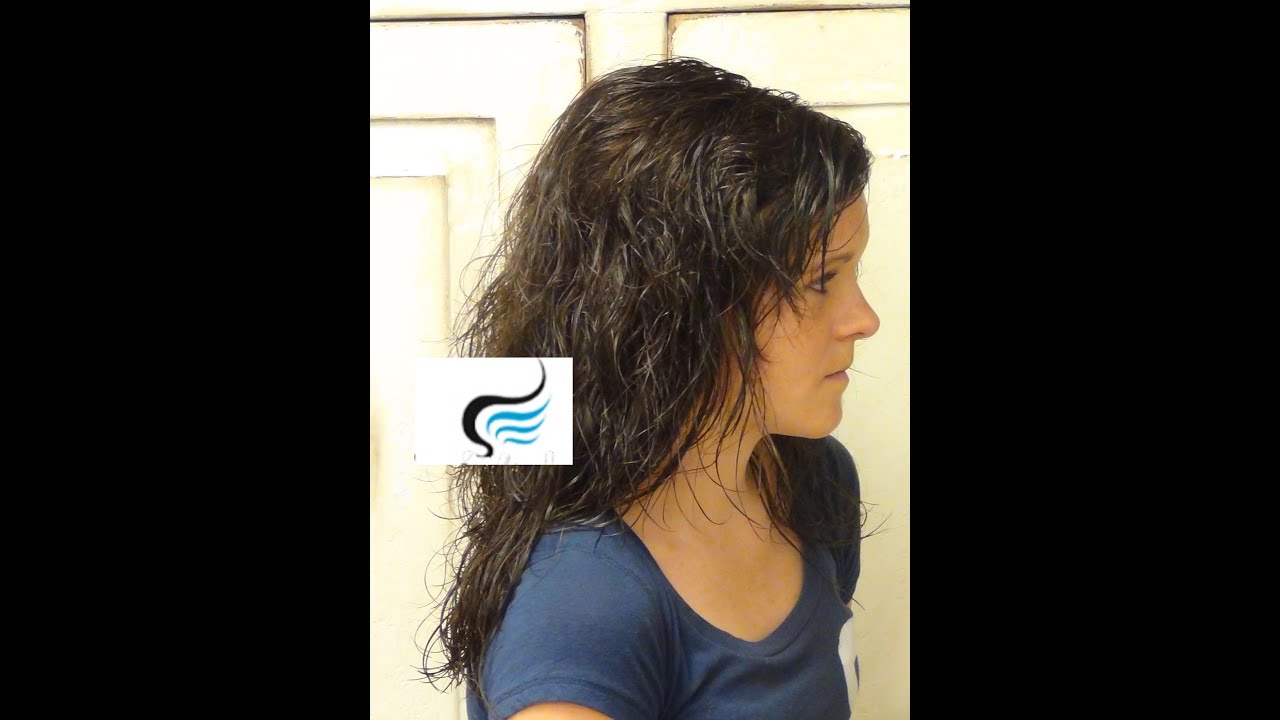
For women who have natural wave or curl — even a slight one that's developed with age — the wash-and-wear approach is the single most practical hairstyle choice available. Wash, apply a small amount of curl cream on soaking-wet hair, scrunch upward, and leave it. No dryer, no brush, no heat. The hair does exactly what it wants to do and it looks intentional because the cut supports the pattern.
For women with reduced mobility this is often the most achievable daily style. Two products, two minutes, done. Full technique guide at the Curly Hair Tutorials page.
Shorter at the back with stacked layers that build volume at the crown and nape, graduating longer toward the front. The graduated bob is the maximum-volume option for fine mature hair — the stacked back creates fullness where fine hair is usually flattest, while the longer front pieces provide face-framing length. From the side, the silhouette is rounded and full rather than flat against the head.
This cut requires slightly more maintenance than the layered bob — a round brush blow-dry every wash day — but the volume it produces is difficult to replicate with any product on fine hair.
For women who simply prefer length and aren't ready — or interested — in going short. The shoulder-length layered style is not a compromise. Done correctly on the right hair type, it is genuinely beautiful. Soft layers throughout add movement and remove the heaviness that makes longer mature hair look tired rather than elegant.
The critical point: shoulder-length hair in your 70s needs to be in excellent condition to look intentional rather than neglected. Regular deep conditioning, trimmed every 8 weeks, and styled rather than simply dried. If the daily routine feels like too much, a bob is almost always a happier choice.
For women with collarbone-length or longer hair, a soft low bun or loose twisted updo at the nape is one of the most elegant occasion styles available at any age. It takes the hair completely off the face and neck, shows off the bone structure beautifully, and works for any occasion from a family dinner to a wedding. The word "soft" is critical — a loose, low twist coiled at the nape looks elegant. A tight pulled-back style can look severe on mature faces.
Secure with criss-crossed bobby pins (X-pattern holds three times as much as straight pins), add one simple clip or pin accessory if desired, finish with a light pass of flexible hairspray. Full technique: Messy Bun Tutorial.
Which Style for Your Face Shape
| Face shape | Best style | Key principle | What to request |
|---|---|---|---|
| Oval | Any — soft pixie or layered bob most flattering | Natural proportions work with every style | Any style in this guide; choose based on length preference |
| Round | Pixie with crown height; A-line bob longer in front | Vertical height and longer front pieces elongate | "Height at the crown, longer at the front — no full blunt fringe" |
| Square / strong jaw | Layered bob with soft ends; soft fringe | Soft layers and textured ends reduce angular features | "Layered bob, soft wispy fringe, point-cut — nothing sharp" |
| Heart (wider forehead) | Bob or pixie with soft side-swept fringe | Fringe visually narrows the forehead | "Soft side fringe — not blunt across, swept slightly to one side" |
| Long / oblong | Bob with fringe; graduated bob; avoid extra height | Fringe shortens the face; width at the sides balances | "Bob with fringe, no extra crown height, soft width at the sides" |
| Diamond | Lob or layered bob with width at the jaw | Chin-length width balances narrow forehead and jaw | "Lob with soft layers at the sides, jaw-length front pieces" |
Silver Hair Care — Keeping It Luminous
Natural silver is beautiful. Dull, yellowed, or brassy silver is the product of neglect, not age. These four steps are the complete care routine for keeping natural grey looking intentional and luminous.
Replaces regular shampoo one day per week. Deposits violet pigment that neutralises the yellow and brassy tones that build up in natural grey and white hair. Keeps silver looking cool, bright and intentional rather than yellowed or dingy. Use weekly maximum — overuse creates a blue cast. This one step makes a more visible difference than any other silver hair product.
Applied mid-length to ends after shampooing, left for 5 minutes, then rinsed. Replaces the moisture that decreasing sebum production no longer provides. Fine mature hair needs this weekly — not occasionally. The visible result: hair that reflects light beautifully rather than absorbing it, and ends that look healthy rather than dry and dull.
Applied to damp hair before any heat tool — dryer, diffuser, curling wand, flat iron. Grey and white hair is more porous than pigmented hair and sustains heat damage more visibly and more quickly. One missed application doesn't cause disaster; the habit of missing it causes cumulative dryness and breakage that dulls the silver irreversibly over time.
Product build-up flattens silver hair and dulls the luminosity more than almost anything else. Once a month, replace the regular shampoo with a clarifying shampoo to remove residue completely. Follow immediately with the deep conditioning mask — clarifying strips moisture along with build-up. Within one wash the silver's natural shine and light-catching quality is restored.
Real Daily Routines — by Style
| Style | Wash-day routine | Non-wash day | Total daily time |
|---|---|---|---|
| Soft Pixie | Mousse on wet hair → diffuse 5 min → fingertip of clay on crown | Nothing — or refresh with a damp hand through the crown | 5–7 minutes |
| Layered Bob | Heat protectant → rough-dry with fingers → one pass round brush at ends → light spray | Smooth with fingers → dry shampoo at roots if needed | 7–10 minutes |
| Short Layered + Fringe | Volumising spray on roots → rough-dry → fringe forward with brush → light spray | Comb fringe into place → travel-size spray to hold | 5–8 minutes |
| Wash-and-Wear Wave | Curl cream on soaking-wet hair → scrunch → air-dry completely | Mist with water → scrunch → done | 2–3 minutes active |
| Graduated Bob | Volumising mousse → rough-dry → round brush blow-dry → light spray | Smooth with fingers → spot-dry any flat sections | 10–12 minutes |
| Shoulder-Length Layered | Heat protectant → blow-dry with round brush → finishing serum → spray | Smooth with serum → pin or half-up if needed | 15–20 minutes |
RaDona's Product Picks for Women Over 70
What to Tell Your Stylist
- Bring a photo from this page — or a screenshot from one of the videos above. Point to the style, the length, the texture. Verbal descriptions and visual references achieve very different results. The photo wins every time.
- "Point-cut throughout, please" — Applies to every style in this guide. Point-cutting creates textured, natural-looking ends that move and grow out cleanly. Blunt cuts across fine mature hair create a heavy, stiff look that requires constant trimming.
- "Internal layers only — keep the perimeter weight" — For any bob or shoulder-length style on fine hair. Removes heaviness without reducing density at the edges where you need it most.
- "Follow my natural neckline — no forced straight line" — Critical for pixie cuts and short styles. Natural necklines are curved and individual. A forced horizontal line looks artificial and grows out badly.
- Tell them your honest daily routine time — Not the time you'd like to spend, but the time you realistically will. A great stylist chooses the cut accordingly. Five minutes is a pixie. Ten minutes is a bob. Twenty minutes is longer. Be honest and get the right cut.
- "I have [limited grip / reduced arm mobility / arthritis in my hands]" — A stylist who knows this will recommend the styles that genuinely work for your physical situation, and avoid styles that look great in the chair but require daily manipulation that's difficult for you.