
Short vs Long Hair in Volleyball: Find Your Best Style
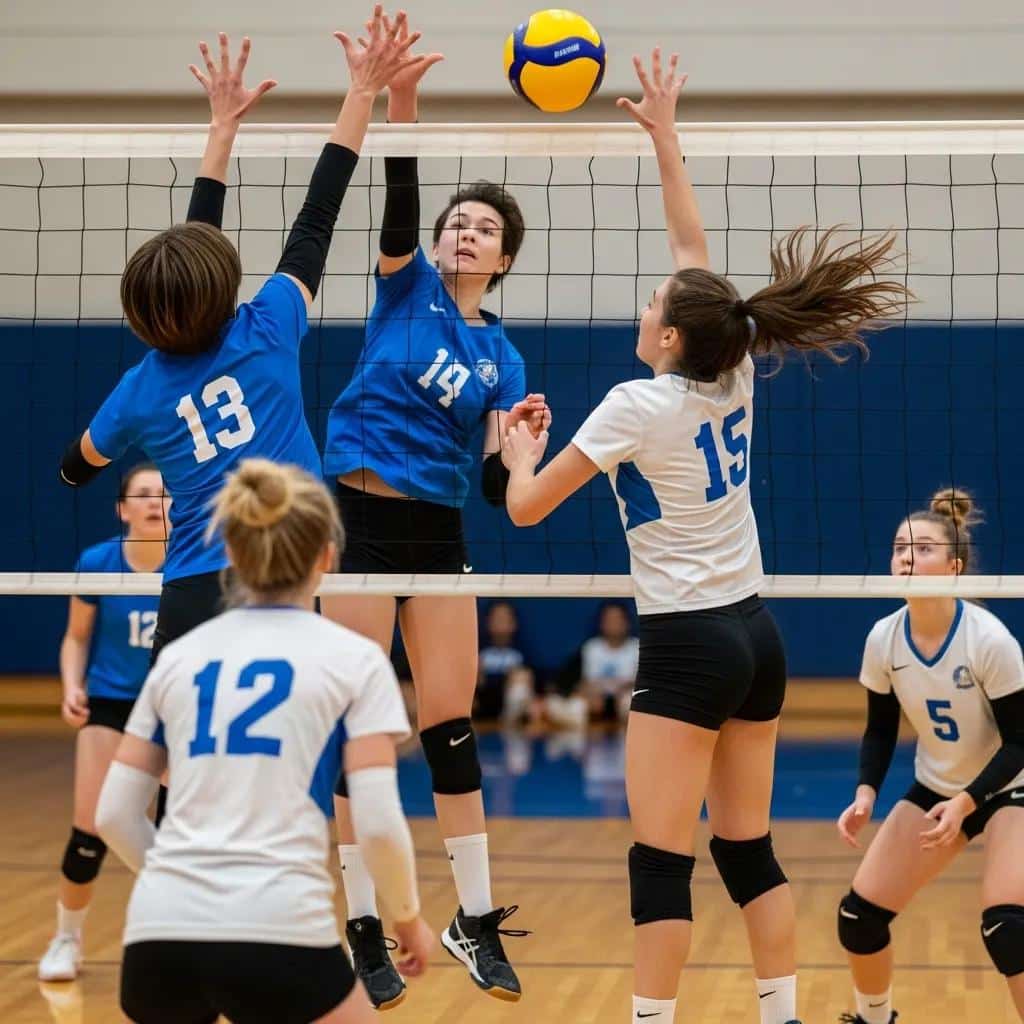
Game-Ready Volleyball Hairstyles: Short vs Long Hair Guide
Choosing the right hairstyle for volleyball can make practices and matches more comfortable — and help you stay focused on the game. This guide walks through the real advantages and drawbacks of short and long hair for volleyball players and offers simple, sport-friendly styles for active girls. You’ll learn how length can affect visibility and movement, the common challenges each length brings, and practical care tips to keep hair healthy between games. By the end, you’ll have clear options to match your play style and routine.
Why Short Hair Works Well for Volleyball Players
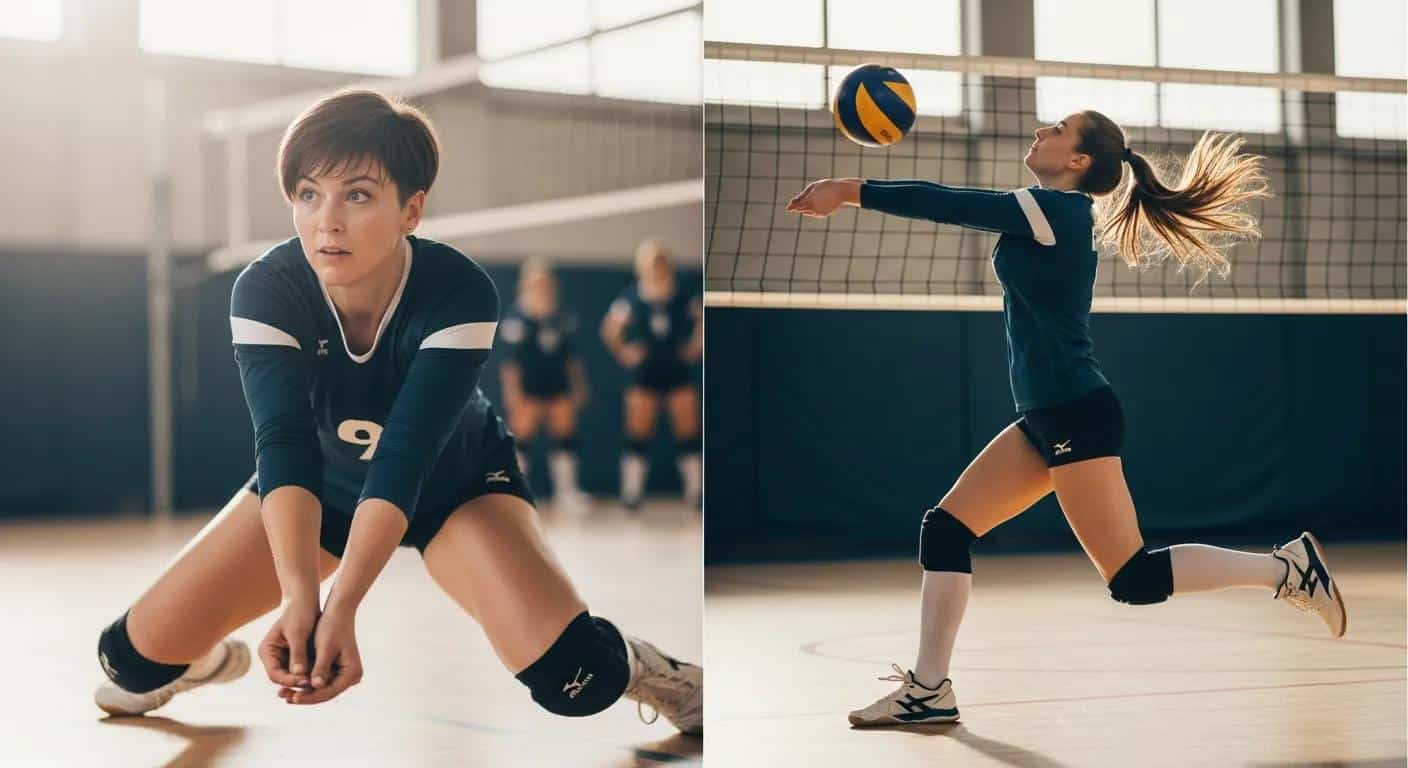
Short hair brings a few clear wins for volleyball players: it’s low-maintenance, less likely to get in your face, and usually cooler during intense play. With less hair to manage, you’ll spend less time fussing before matches and more time practicing. Short styles also cut down on weight and heat around the neck and shoulders — a plus during long practices and hot gym sessions.
How Short Hair Helps Your Game
Short hair reduces the chance of hair flopping into your eyes or getting tangled when you dive, jump, or sprint. Fewer distractions mean better focus and faster reactions on the court — small hair annoyances can add up, and shorter cuts simply get in the way less.
Best Short Hairstyles for Active Kids
Short styles that work well for active kids include easy-to-manage cuts like pixie cuts and bobs. These looks are quick to style and won’t interfere with play. If any shorter layers escape, small clips or soft hair ties can keep stray pieces tucked away so your child can concentrate on the match, not their hair. Check out our example pixie cut for a low-maintenance option: Pixie cuts.
The Challenges Long Hair Can Bring on the Court
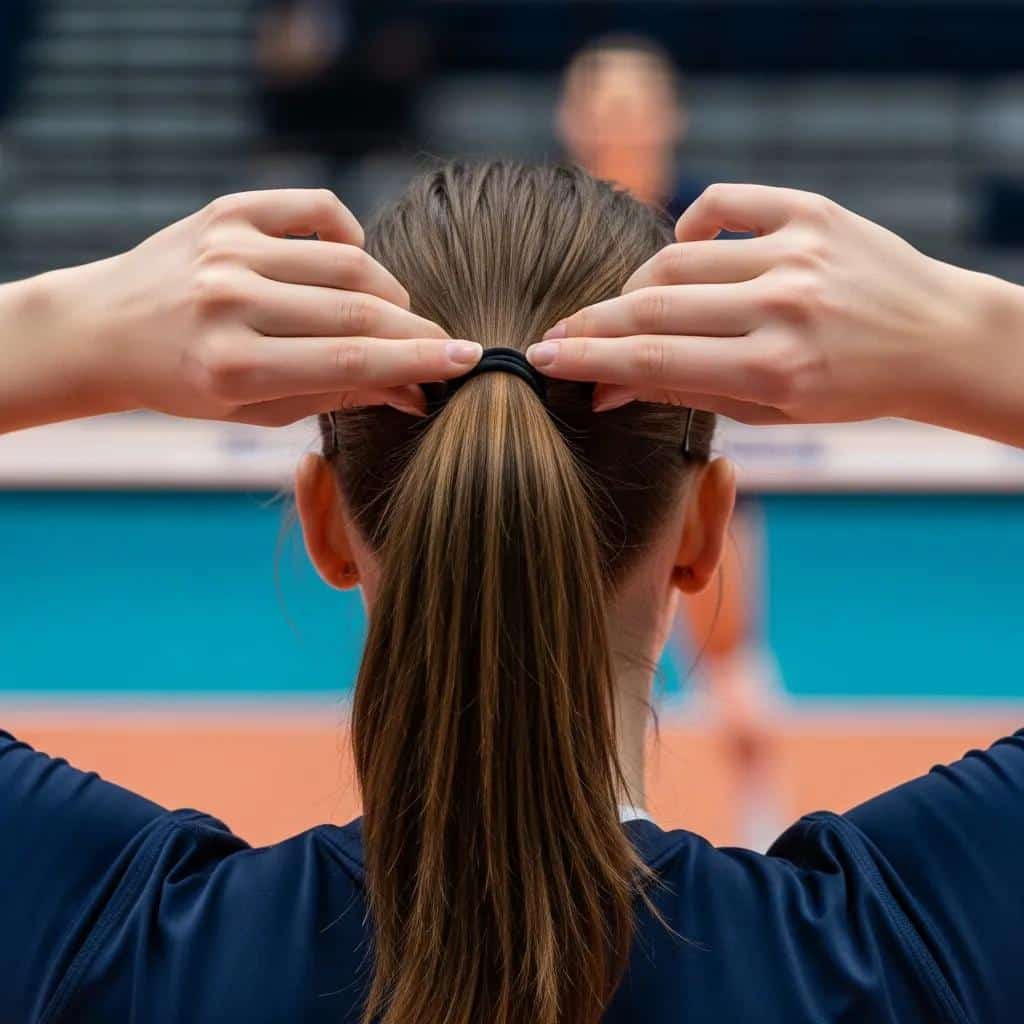
Long hair looks great but often needs more work to stay out of the way during play. It can fall into your face, snag on gear, or get tangled after dives and quick movements. Longer styles usually take more time to style and care for, which can be tricky when you’re balancing school, practice, and games. Many players with long hair rely on accessories to keep everything secure.
How Long Hair Can Affect Performance
When long hair swings into your vision or tangles mid-jump, it’s an easy distraction. There’s also the occasional snag or accidental pull — uncomfortable and distracting during a match. With thoughtful styling and secure accessories, most of these risks are manageable, but they’re worth considering when choosing a look.
Accessories That Help Keep Long Hair in Check
Good accessories make a big difference: sturdy hair ties, bobby pins, and non-slip headbands keep hair off the face and absorb sweat. Consider soft, wide headbands for sweat control and secure elastics or braided styles to prevent tangles. These small tools make play safer and more comfortable.
Best Volleyball Hairstyles for Different Hair Lengths
There are plenty of game-ready options no matter your hair length. Short hair can be styled quickly for matches, while long hair benefits from protective styles that reduce damage and stay put during play.
Quick Volleyball Hairstyles for Short Hair
Short hair can still be styled to stay out of the way: a small ponytail or braid (if length allows), slicked-back looks with lightweight gel, or a neat pixie styled with a touch of product. These quick options keep hair tidy and let players focus on performance rather than constant readjusting.
Protective Hairstyles That Work for Long Hair
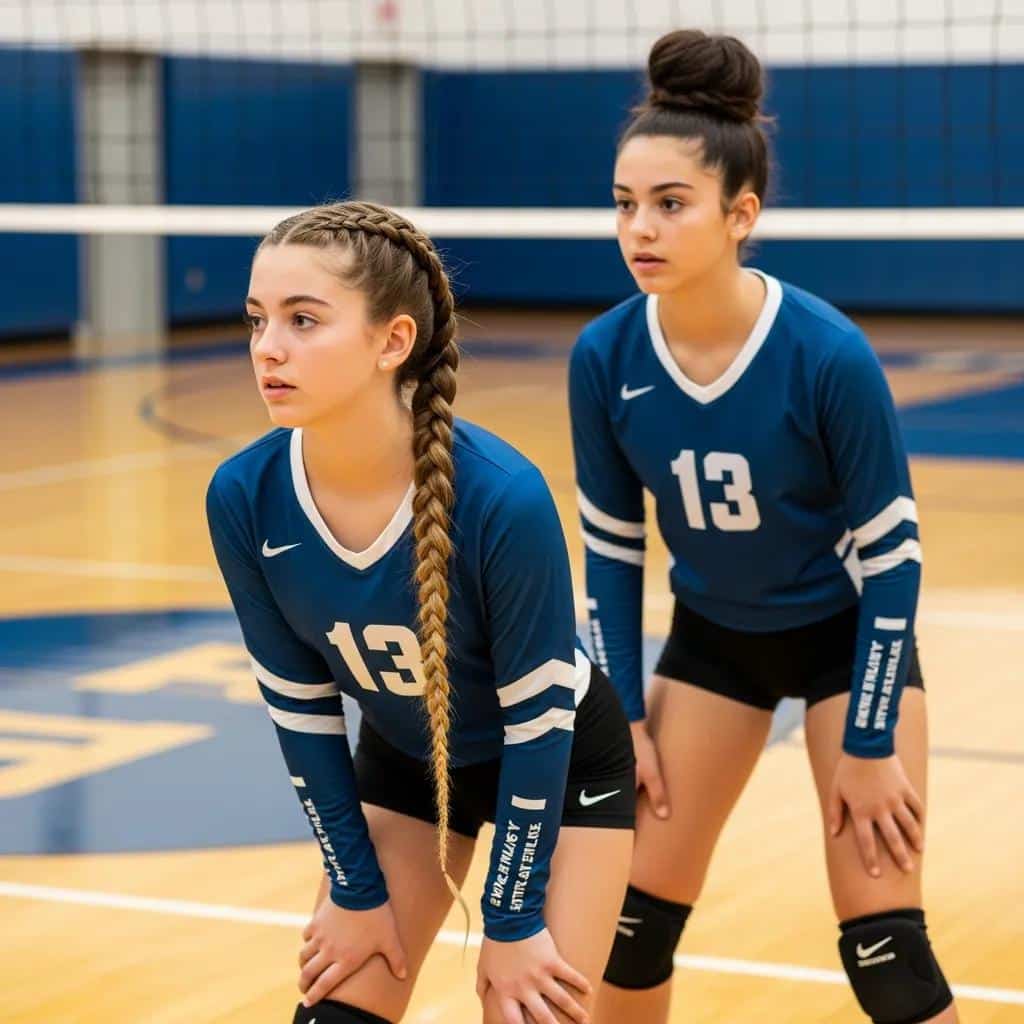
For long hair, braids and buns are top choices. Braids keep hair from tangling and distribute movement, while buns — especially high buns — keep hair off the neck and out of your sightline. Both styles reduce friction and damage, and they’re easy to secure before warmups and matches.
Research also backs up practical strategies like these for managing hair during physical activity.
Hair Concerns & Physical Activity: Strategies for Active Women
A statistically significant effect was noted for average monthly haircare cost and pros (p= .05), and for alter behavior due to hair concerns and perceived benefits to physical activity (p= .05). For level of physical activity, proportion differences were noted between exercisers and non-exercisers for average minutes spent on hair care (p= .009). Qualitative results showed few participants view hair concern as an important barrier to PA. Some participants suggested strategies for overcoming hair concerns to exercise (e.g., braids, twists).
Assessing hair concerns and physical activity measures among African American women: A mixed-method exploratory study, T Nelson, 2024
Essential Hair Care Tips and Products for Volleyball Players
Keeping hair healthy matters when you train and play often. Good habits and the right products help protect hair from sweat, sun, and frequent styling. Adding a few targeted products to your routine can make hair easier to manage and stronger over time.
Daily Practices That Protect Hair During Play
Focus on hydration and gentle care: use moisturizing shampoos and conditioners, avoid excessive heat styling, and give hair a weekly deep-conditioning treatment when you can. Rinse sweat out after long sessions and schedule regular trims to prevent split ends — small steps that keep hair in good shape through a busy season.
Recommended Hair Products for Active Players
Look for hydrating shampoos and conditioners, lightweight styling products for short hair, and leave-in treatments to add moisture and protection. These help hair recover from sweat and wear. For trusted options, explore our selection designed for active lifestyles at Boys and Girls Hairstyles store, or browse general tips and picks at Boys and Girls Hairstyles.
Choosing the right hairstyle can make practices cleaner and matches more comfortable. Short hair is easy to manage and limits distractions, while long hair works well when secured in protective styles. With the right care and accessories, players at every length can find a look that fits their game and lifestyle.
Frequently Asked Questions
What are the best hair care routines for volleyball players?
Keep it simple and focused on moisture: use a hydrating shampoo and conditioner, add a leave-in conditioner or detangler after washing, and limit heat styling. Wash out sweat after long sessions, do a deep-condition once a week if possible, and trim every 6–8 weeks to remove split ends. That routine helps hair stay strong through the season.
How can I prevent hair damage from sweat during volleyball?
Use a leave-in conditioner to protect strands, wear a moisture-wicking headband to absorb sweat, and tie hair up in a braid or bun during play. Rinse or shampoo soon after practice to remove salt and product buildup, and follow with conditioner to restore moisture.
Are certain hairstyles better for different weather conditions?
Yes. In hot, humid weather choose braids or high buns to keep hair off your neck and reduce heat. Windy days call for tight ponytails or buns to prevent tangles. Cooler weather allows more flexibility, but it’s still smart to secure hair so it doesn’t get in the way during play.
What are some quick game-day hairstyles for volleyball?
Quick go-tos include a high ponytail, a messy bun, a single braid, or double French braids. They’re fast to do, keep hair secure, and work with sweatbands and headbands. Pack a couple of extra elastics for fast fixes between sets.
How often should volleyball players get haircuts?
A good rhythm is every 6–8 weeks to remove split ends and keep styles fresh. Short styles may need trims more often to hold their shape; longer hair can stretch a bit longer between cuts but still benefits from regular trims to prevent damage.
Can hair color affect hair health for active athletes?
Chemical color can make hair more fragile, so athletes should choose color-safe, moisturizing products and limit heat styling. Techniques like balayage can be gentler than full-bleach processes, and regular deep-conditioning treatments help maintain strength and shine.
Game-Ready Volleyball Hairstyles: Short vs Long Hair Guide
There’s no one right choice — the best hairstyle is the one that fits your practice schedule, comfort, and personal style. Short hair keeps things simple and distraction-free; long hair offers versatility when you use secure, protective styles. Use the tips here to pick a look that helps you play your best and keeps hair healthy all season long. For more how-tos and inspiration, explore our hairstyle guides and product picks.
Boys and Girls Hairstyles Links:
Don’t forget to check out our YouTube Channel: GirlsHairstyles2012 on YouTube
Subscribe: Subscribe on YouTube
Join our email list : Join our mailing list