
Asymmetrical cuts can get awkward fast if the shape is not maintained.
A neat neckline and controlled lower shape prevent the mullet effect.
Removing weight helps the hair feel softer and more voluminous.
The whole makeover points the haircut toward a smoother, fuller bob shape.
The Journey: Growing Out an Asymmetrical Cut
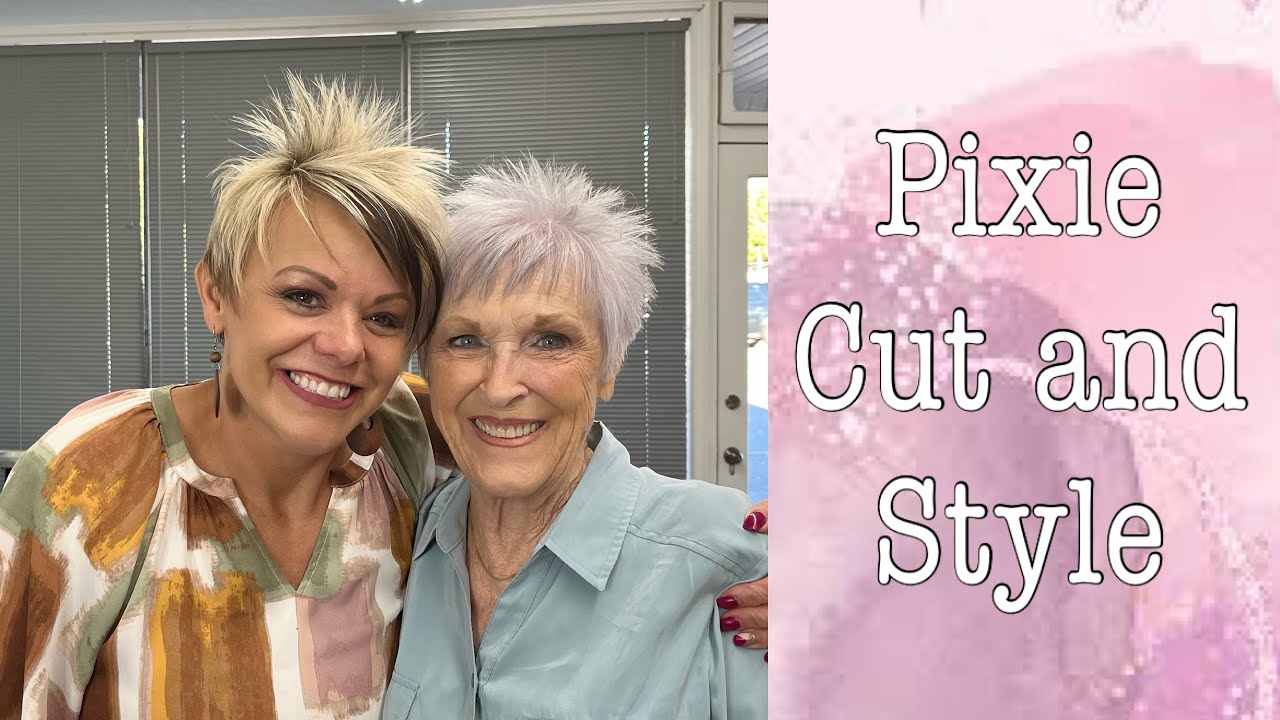
The live tutorial centers on Brenda, who is in the process of growing out her asymmetrical haircut. Instead of trying to hide the transition, the makeover treats it like its own hairstyle stage. That shift matters. When the haircut is handled as a deliberate transition instead of a waiting period, it becomes much easier to wear confidently.
The target shape is a classic bob, but the pathway to that bob is what makes the tutorial useful. The whole method is built around keeping the haircut neat enough now so it does not feel like you are months away from liking your hair again.
The Step-by-Step Makeover Process
This tutorial is strongest when it is read as a sequence. Every step supports the next one, and each choice keeps the haircut looking more balanced while it grows.
Initial trimming
Start by cleaning up the grown-out lower sections. This instantly sharpens the silhouette and removes the fuzziness that makes short hair look overgrown.
Trim the top with purpose
The top is not cut off heavily. It is refined. That keeps enough movement while still controlling uneven growth.
Angle inward
Cutting inward helps the shape hug the head and keeps the bottom from flaring out as it grows.
Balance the sides
The sides need to be evened thoughtfully so the haircut does not look like one section is racing ahead while the other lags behind.
Texturize for movement
Fine-tooth texturizing shears soften bulky sections and keep the hair from getting heavy during the transition.
Style for lift and polish
Finish with volume mousse, round brushing, and a touch of paste so the final look feels alive rather than flat.
Why “Keeping It Tight” Matters So Much
One of the strongest themes in the tutorial is keeping the back and lower sections tight while the front grows. That is the trick that helps the grow-out feel clean. When the lower shape gets too long too fast, short hair often starts to resemble a mullet or loses its intended silhouette completely.
By keeping the back under control, the top and front can grow in without making the whole cut feel bulky. That balance is what lets a short asymmetrical cut transition toward a bob in a flattering way.
How Texturizing Changes the Whole Result
Texturizing is one of the most important steps in this makeover because it changes how the hair moves. Short hair that is growing out can become dense, blocky, or bulky in very specific areas. Texturizing removes small amounts of weight so the haircut feels lighter, airier, and easier to style.
That matters especially if you want volume. Heavy short hair often sits flat or expands in the wrong places. Thoughtful texturizing helps shift volume upward and makes the shape look softer and more modern.
| Area | Why it gets bulky | What texturizing does |
|---|---|---|
| Back / lower nape | Growth collects here quickly | Keeps the neckline from looking thick and shapeless |
| Sides | Uneven length becomes more obvious | Softens transitions and helps both sides feel balanced |
| Crown / top | Too much density can flatten the style | Adds movement so volume looks natural, not stiff |
Tools and Products Used in the Styling Phase
The styling section of the live tutorial is very practical. It is not about a huge routine. It is about using a few key tools to support the cut.
- Volume mousse: adds lift and structure before blow-drying
- Round brush: smooths and shapes the hair while preserving body
- Styling paste: pieces out the ends for a more finished look
- Backcomb comb: creates extra support at the crown when needed
That combination works well because it supports both goals of the makeover: smoother growth and better daily styling.
Related Videos from Boys and Girls Hairstyles
These videos stay closely aligned with the exact theme of this page: asymmetrical short hair, growing out short cuts, and moving toward a more balanced bob shape.
Why This Asymmetrical Haircut Works Better After 60: the closest match to the live page because it specifically talks about keeping short hair controlled while the front grows out.
Edgy Bob Haircut for Growing Out Short Hair: excellent support if your own goal is to move from very short hair into a more defined bob shape.
Women Over 50 Love This Asymmetrical Bob Haircut: helpful if you want to see where the grow-out is heading and how asymmetry can still feel polished.
Darlene Loves Her New Asymmetrical Cut: another useful channel reference for understanding how side-to-side balance affects short haircut shape.
Mistakes That Make a Pixie Grow-Out Harder
The most common mistake is doing nothing for too long. Many people assume trimming equals lost progress, but the opposite is usually true. A few strategic trims often make the hair easier to wear and make the final transition smoother.
- Skipping trims until the back gets bulky
- Ignoring side imbalance from the original asymmetrical cut
- Leaving too much weight in the lower sections
- Using too much product and flattening short hair
- Trying to force a bob too early instead of building toward it
Hair Health While Growing Out Short Hair
Healthy hair still matters during a grow-out. When short hair is being trimmed and styled regularly, it benefits from gentle cleansing, controlled heat use, and products that support your hair type without creating buildup.
Frequently Asked Questions
How do you avoid the awkward phase when growing out a pixie?
Keep the neckline and lower sections tidy, rebalance the shape as it grows, and style the haircut so it still looks intentional instead of unfinished.
What haircut does a pixie usually grow into best?
Many pixies transition naturally toward a bob, especially when the back is kept neat and the top and front are guided carefully.
Should you texturize short hair while growing it out?
Often yes. Texturizing can remove bulk, improve movement, and keep the silhouette softer and more flattering.
How often should you trim short hair during a grow-out?
Every 6 to 8 weeks is a good general rhythm for keeping the shape polished while still making progress toward more length.
Watch More Short-Hair Grow-Out Tutorials
See more asymmetrical cuts, pixie transitions, and bob makeovers from Boys and Girls Hairstyles.