
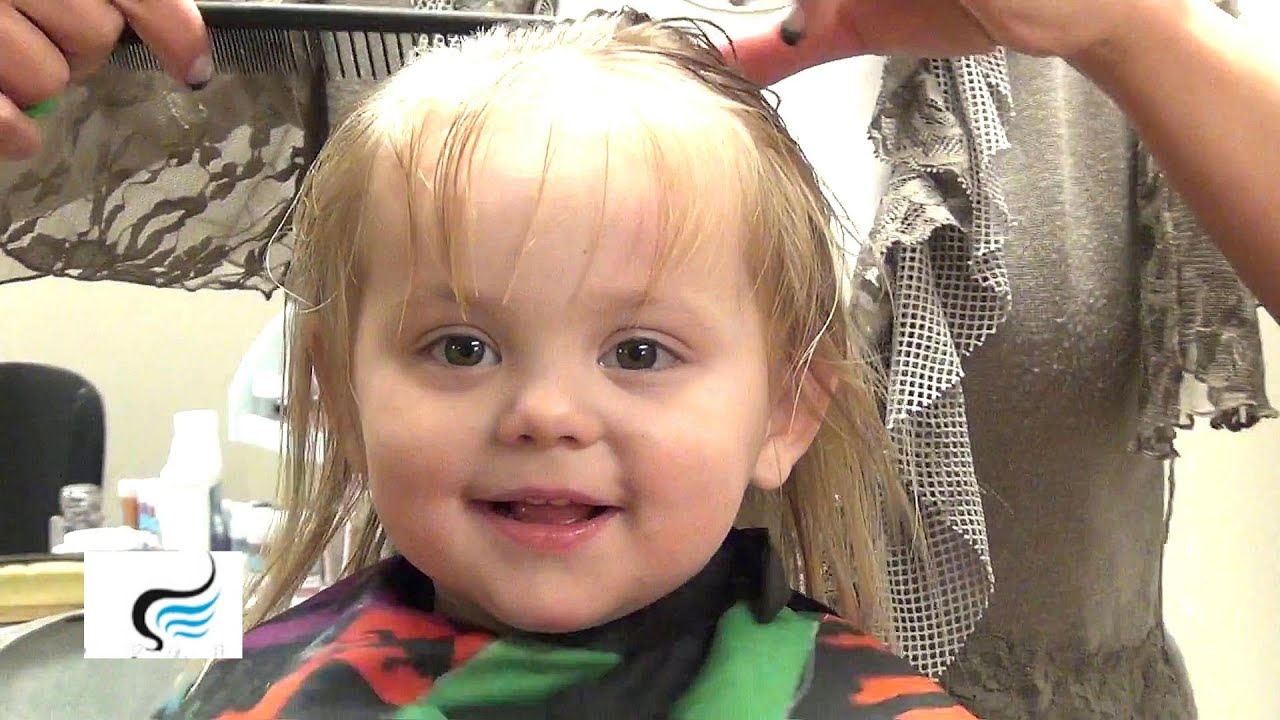


Classic Chin-Length Bob
Best for: first-time bob clients. One clean line around the jaw gives the haircut instant shape and keeps mornings simple.
A good bob should make a child's hair easier, not create another styling job. These 20 little girl bob haircuts are organized by hair type, age, fringe choice and maintenance level, with real salon videos from licensed cosmetologist RaDona Ludlow.
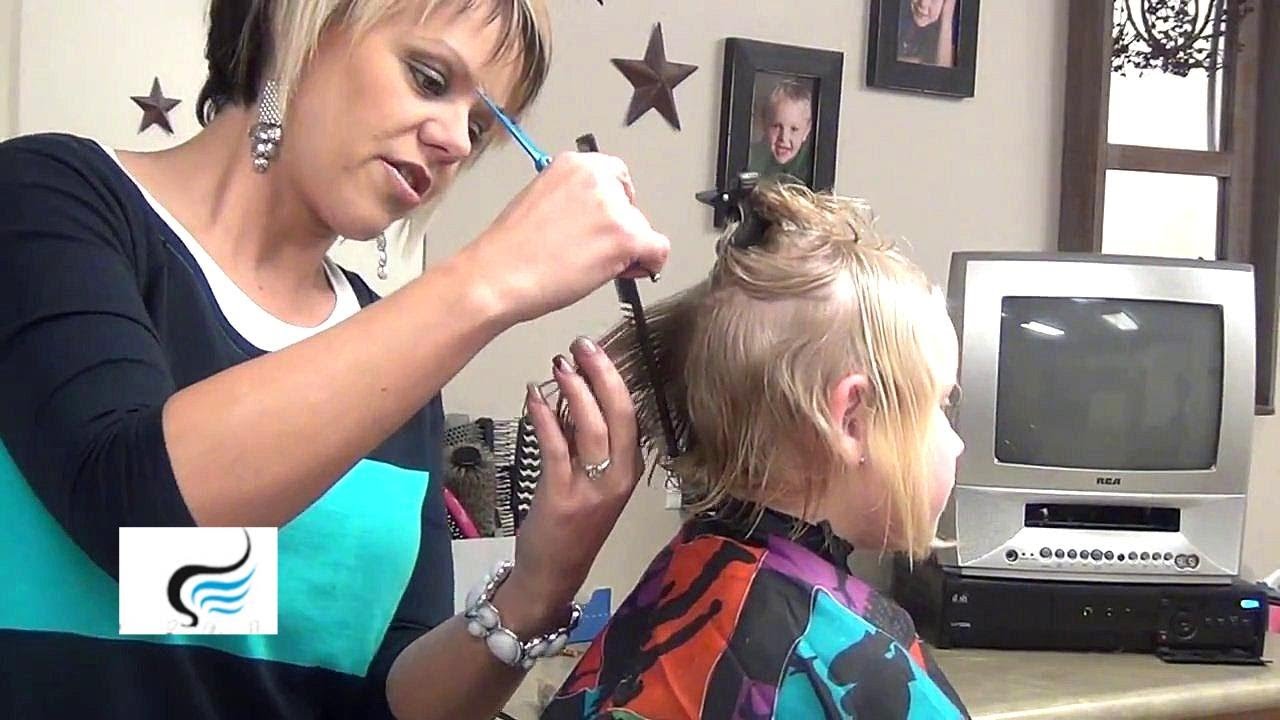
For fine or flat hair, keep the perimeter strong and consider a soft A-line or light stacking for lift. For thick hair, use controlled layers so the bob does not turn into a triangle. For curls, leave enough length for shrinkage. If you want the lowest-maintenance version, a chin-length blunt bob without bangs is still the safest all-around choice.
This is what makes the site different: the haircut is not an illustration or an AI image. It is a real child, a real appointment, and RaDona's actual salon technique. Use the video to decide what you like, show it to your stylist, or watch the sectioning before you attempt a simple home trim.
The bob in this video uses a softly graduated shape that keeps the back neat while leaving enough length toward the front to frame the face. It is especially useful for parents comparing a classic bob with an A-line shape.
Length, density and patience all matter. These real videos show why the best cut is the one that fits the child in the chair, not just the inspiration picture.
The list below is organized by what parents actually need: easy maintenance, extra volume, a fringe option, or a cut that cooperates with natural texture.
Best for: first-time bob clients. One clean line around the jaw gives the haircut instant shape and keeps mornings simple.
Best for: active kids who want hair off the neck. It is quick to wash and dry, but needs more frequent trims to stay crisp.
Best for: a child nervous about going short. Collarbone length keeps ponytail options while removing thin, tired ends.
Best for: growing out long hair slowly. It gives the cleaner line of a bob without a dramatic change in length.
Best for: adding softness without bangs. A simple part change can create lift at the root and a more playful silhouette.
Best for: fine hair. A slightly shorter back and longer front adds shape without looking severe on a young face.
Best for: very flat hair. Light graduation at the crown creates visible fullness without relying on styling products.
Best for: straight hair that naturally bends under. The shape follows the head and gives a soft, polished finish.
Best for: thick hair. Light layers remove bulk and movement replaces the heavy triangle shape that thick bobs can develop.
Best for: older girls who want a less perfect look. Point-cut ends create movement and make grow-out feel intentional.
Best for: a bold, classic kid look. Keep the fringe soft rather than overly heavy so it does not dominate a small face.
Best for: fine hair and first-time bangs. A lighter fringe is easier to grow out and less likely to separate awkwardly.
Best for: tweens or a child who wants face framing without a full fringe. The center split grows out more forgivingly.
Best for: cowlicks or children who dislike hair directly across the forehead. The fringe blends into the side length.
Best for: keeping the overall perimeter full while adding softness near the cheeks and chin.
Best for: wispy ends. Keeping the bottom line strong makes the hair look denser than excessive layering would.
Best for: dense hair that balloons outward. Remove bulk inside the shape while protecting the perimeter.
Best for: natural bend. Let the wave create texture; avoid over-layering if the ends already spring up.
Best for: defined curls. Leave enough length for shrinkage and shape the haircut around the curl pattern when dry.
Best for: a confident older child who wants something different. Keep the difference subtle so the cut still grows out well.
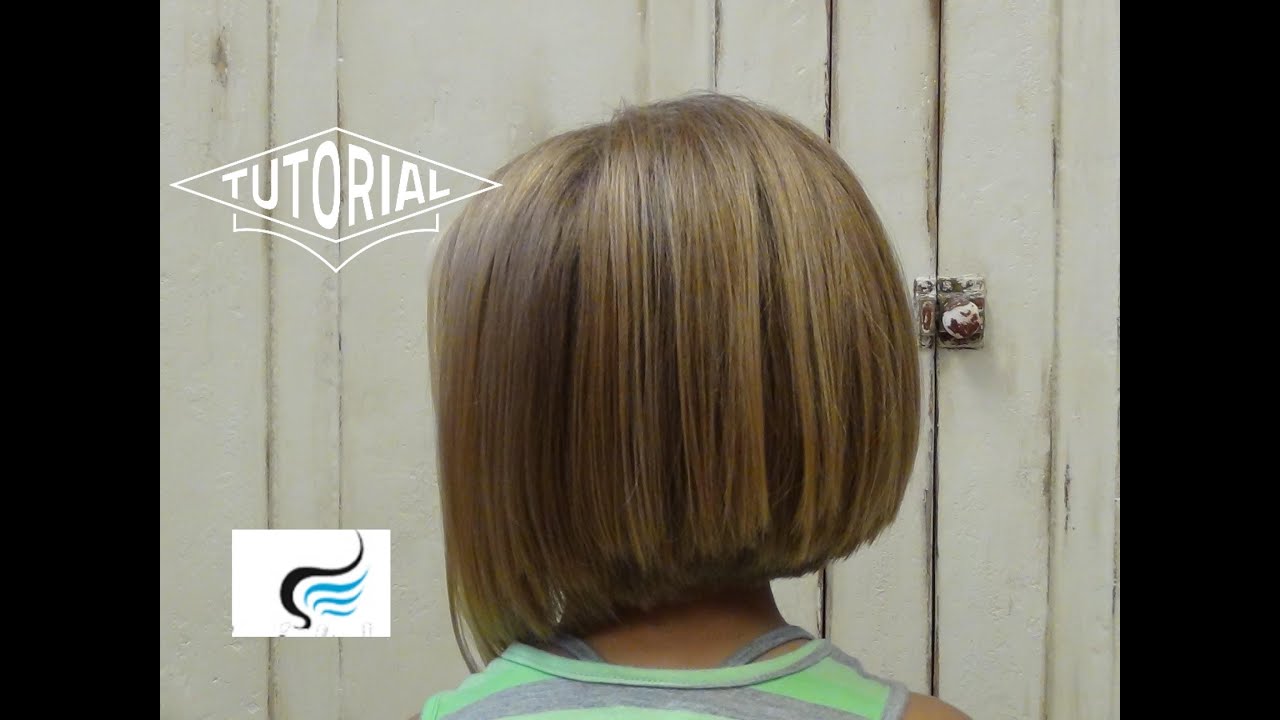
One of the biggest bob mistakes is using the same layering strategy on every head of hair. Fine hair usually looks fuller when you protect the perimeter and keep layers minimal. Thick hair can need the opposite: controlled internal weight removal so the cut does not flare outward.
If you are still comparing cuts beyond the bob, browse the little girl haircut guide by age and hair type .
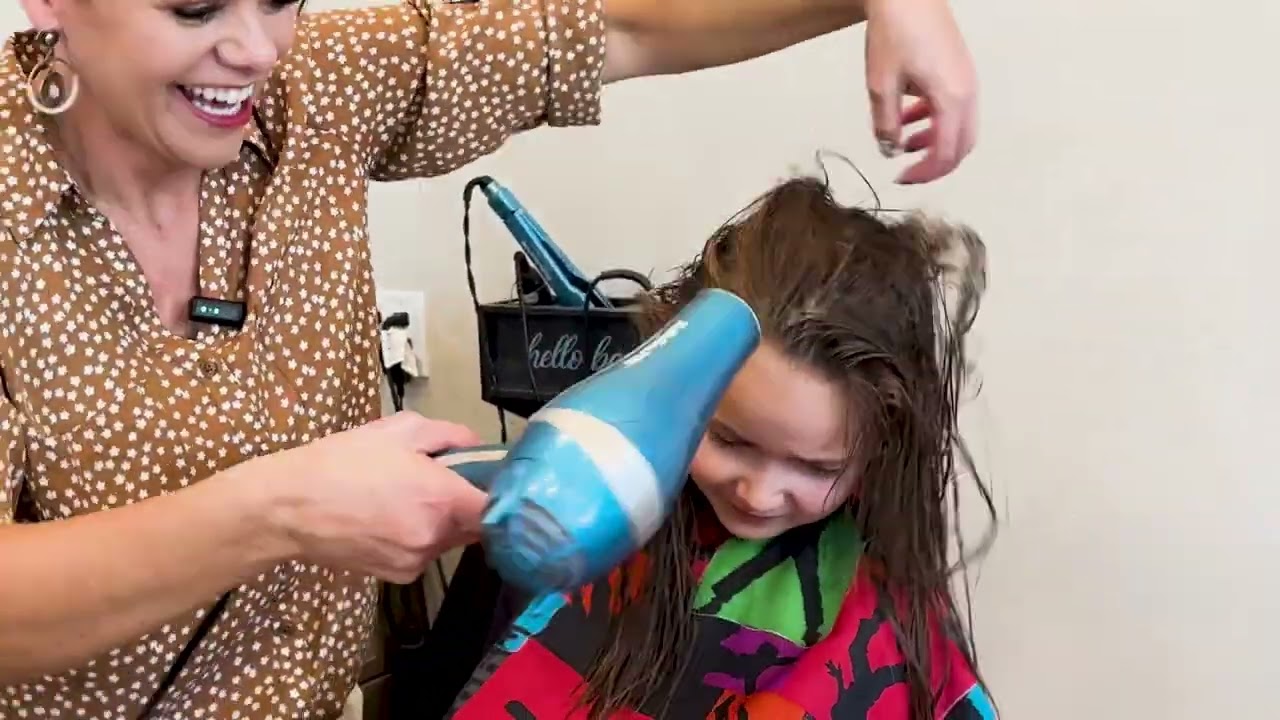
A bob without bangs is usually the easiest version to live with because there is nothing to trim between full haircuts. Bangs can be adorable and practical for a child who constantly pushes hair out of her eyes, but the fringe needs more frequent attention.
For a deeper breakdown of fringe shapes, use RaDona's complete bangs tutorial .
Age is less about rules and more about patience, independence and what the child wants to do with her own hair.
| Age | Best starting bob | Why it works | What to avoid |
|---|---|---|---|
| Ages 2–4 | Chin bob or longer lob | Fast haircut, easy brushing, simple air-dry routine. | Complicated layering or anything requiring long chair time. |
| Ages 5–7 | Classic bob, A-line or bob with soft bangs | Old enough to participate in the choice and sit through refinement. | Heavy fringe if she dislikes hair touching her forehead. |
| Ages 8–10 | Layered, textured or curtain-bang bob | More styling options while still keeping school mornings manageable. | Choosing a trend she cannot maintain herself. |
| Ages 11–12 | Lob, asymmetrical bob or more defined A-line | Lets personal style lead while keeping a practical length. | Ignoring the child's opinion because the haircut will be hers to wear. |
A calm child gives the stylist a better chance to create a clean shape. Timing, expectations and sensory comfort matter as much as technique.
Schedule when she is fed and rested, explain what will happen in simple language, bring a quiet distraction, and let the stylist pause if she needs a reset. For many children, seeing another child get a haircut on video first can make the experience feel familiar instead of unknown.
For children who experience sensory overload or need more preparation, the site also has a dedicated guide on supporting a child with autism during a haircut .

A well-cut bob should mostly fall back into place. The routine is intentionally simple because this is a kids' haircut, not a daily blowout commitment.

For most straight or slightly wavy bobs, a light mist of water or leave-in conditioner and a gentle brush is enough. If the ends flip after sleeping, dampen only the last inch and let it reset while breakfast happens.
When a lob gets long enough to style up, try the French braid tutorial , the Dutch braid tutorial , or the pigtails and messy bun style . For quick weekday ideas, see 15 easy school hairstyles .
For healthy habits beyond the haircut itself, use the guide to introducing children to natural hair care .
Use these as visual references. A stylist can understand length, angle and movement much faster from a video than from a vague haircut name.
 ▶
▶
RaDona's complete stacked A-line technique on a real young client.
A softer fringe option for families who do not want a heavy straight bang.
A useful reference for parents dealing with a very short attention span.
“A bob” is not one haircut. The stylist needs to know the length, perimeter, angle and fringe choice.
“We want a soft chin-length bob that is easy to air-dry. Keep the bottom line full, add only enough layering to control her hair type, and keep the front long enough to tuck behind the ear. We do / do not want bangs. If you angle it, keep the A-line subtle so it grows out naturally.”
For more bob shapes beyond children's cuts, use the site's main 40 bob haircuts guide .
This page is the little-girl bob keeper. These links move readers up to the parent hub, across to related kids content, and into two under-linked support guides.
Quick answers for the decision points that come up repeatedly in RaDona's salon.
For most children, a chin-length blunt bob is the easiest place to start. Fine or flat hair often benefits from a soft A-line or lightly stacked shape, while thick or wavy hair usually looks best with controlled layering.
Bangs can be useful when a child likes hair off her face or wants a more framed look, but they add maintenance because they need trimming more often. If you are unsure, start without bangs and add them at a later appointment.
Yes. A one-length, A-line or softly stacked bob can make fine hair look fuller because the wispy ends are removed and the perimeter looks denser. Too many layers can have the opposite effect on very fine hair.
Most bobs hold their shape well with a trim about every 6 to 10 weeks. A shorter or strongly angled bob may need attention sooner, and bangs may need a small trim before the rest of the haircut does.
Yes. Curly bobs can be beautiful when the stylist leaves enough length for shrinkage and shapes the haircut around the natural curl pattern. A curl that looks chin-length while wet may spring much shorter when dry.
A blunt chin-length bob without bangs is hard to beat. Brush it, reset the part, and let it air-dry. If the child needs hair completely off her face, a slightly longer lob gives more room for clips and small ponytails.
Photos are useful. Video is better. RaDona's channel gives parents a way to watch the actual cut, see how the hair behaves, and walk into the appointment with a much clearer idea of what they want.