
Primrose Everdeen Braid: The Complete Tutorial
Generally, the Primrose Everdeen braid is the soft, twin-braid pigtails look that defined the youngest Everdeen's appearance in The Hunger Games. Specifically, this guide covers 6 variations of her signature Primrose Everdeen hair, from the classic film pigtails to modern adaptations. Notably, every variation includes a step-by-step technique and a real RaDona braid tutorial video.

Variations
Per Variation
Required
Has Braided
What is the Primrose Everdeen braid?
Generally, the Primrose Everdeen braid refers to the soft twin-braid pigtails look worn by the youngest Everdeen sister in The Hunger Games film series. Specifically, the style consists of two symmetrical braids — typically French or Dutch braided — starting at the temples on both sides of the head and extending all the way down past the shoulders to roughly the mid-back. Notably, the Primrose Everdeen hairstyle deliberately reads as innocent and child-like, contrasting with her older sister Katniss's iconic single side braid.
Three details define the authentic Primrose Everdeen hair look. First, the braids start high on the head (at the temple or above) rather than low at the nape — this creates the lifted, fresh appearance. Second, the braids are tight at the start and gradually loosen as they extend down, giving the style its signature soft finish. Third, small wisps of hair are deliberately left loose around the face to soften the overall geometry. Generally, the Primrose Everdeen braid takes 10-15 minutes once you know the technique.
Generally, Primrose's braid differs from Katniss's in three ways. Specifically, Primrose wears TWO braids (Katniss wears one), Primrose's braids start at the temples (Katniss's starts at the side of the head), and Primrose's overall look reads softer and more youthful (Katniss reads more practical and warrior-like). Notably, both styles use the same French or Dutch braiding technique — only the placement and number of braids differ.
The braiding technique behind the Primrose Everdeen braid
Generally, the Primrose Everdeen braid is built on the French pigtails technique. Specifically, this is RaDona's complete French pigtails tutorial — the same foundation skill that produces Primrose's signature twin-braid look.
RaDona's French pigtails tutorial — the foundation technique behind every Primrose Everdeen braid variation in this guide.
Reference photosThe Primrose Everdeen braid in practice
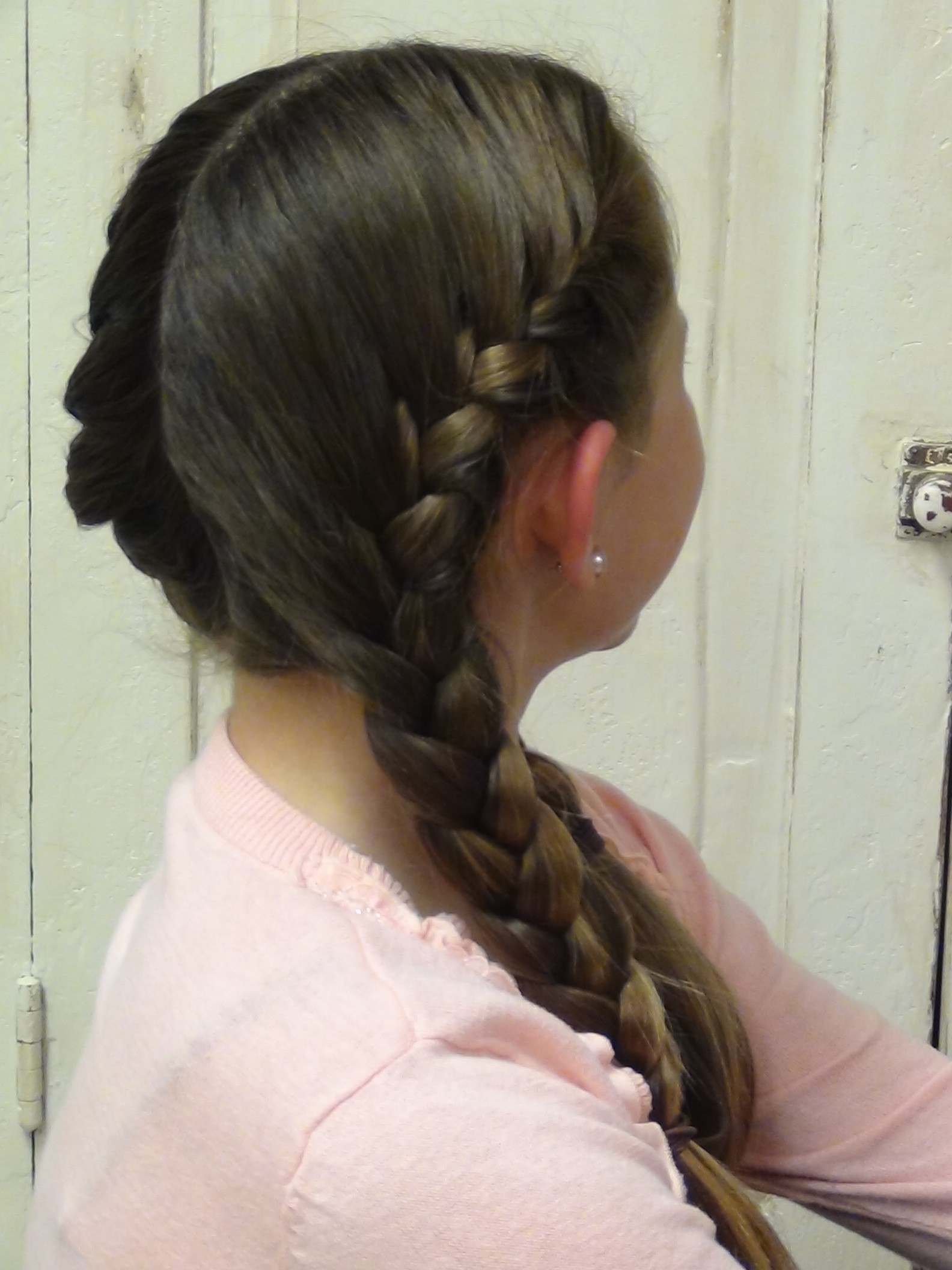
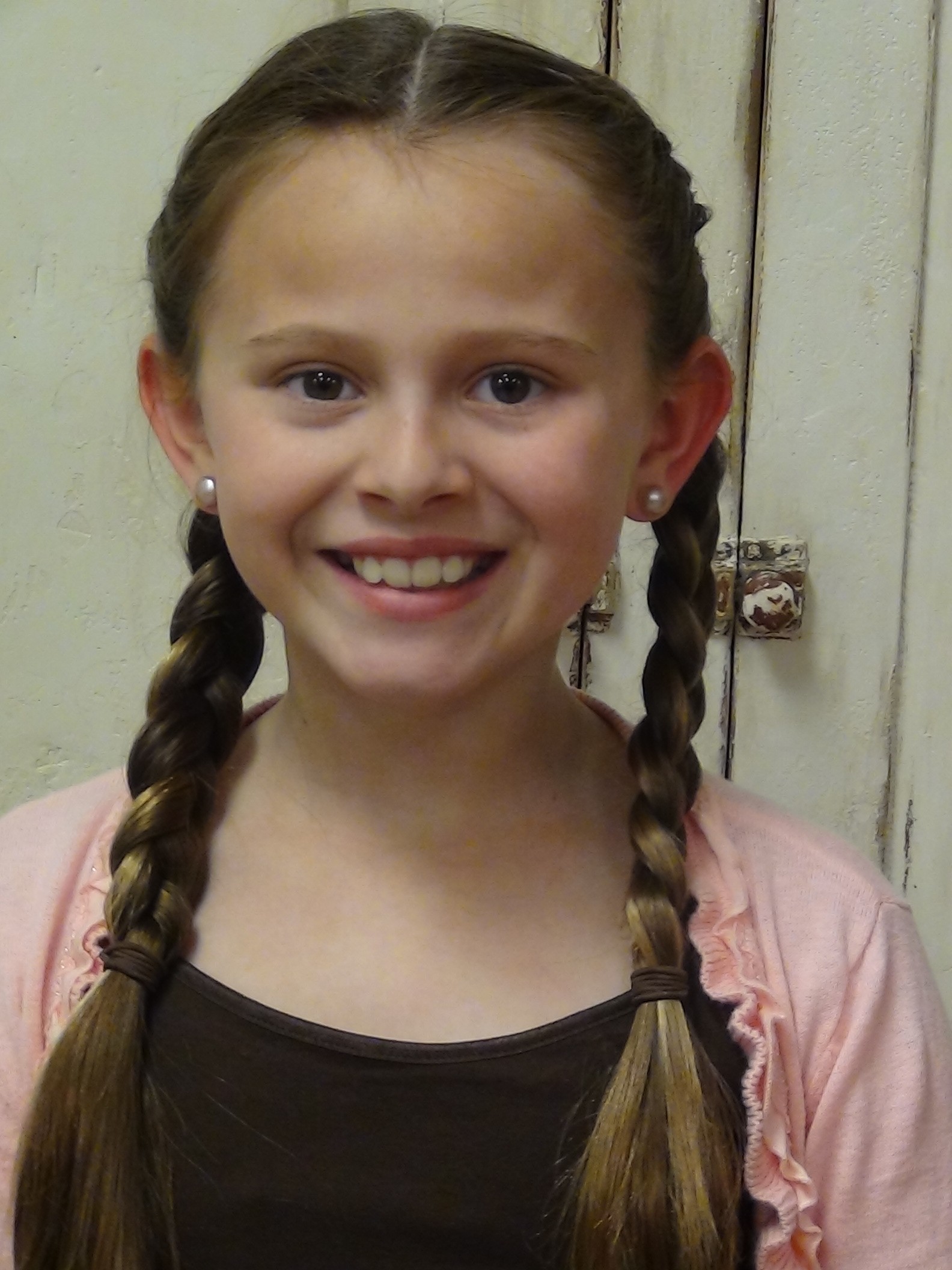
Generally, seeing the finished braid clarifies what to aim for during styling. Specifically, the two photos below show the Primrose Everdeen braid worn on real hair.
6 Primrose Everdeen braid variations to try
Generally, six variations adapt the Primrose Everdeen braid for different occasions, hair textures, and modern interpretations. Specifically, the sequence below starts with the most film-accurate version and progresses through softer, more contemporary adaptations.
The Classic Film Pigtails
The classic Primrose Everdeen braid features two French braids starting at the temples and extending down past the shoulders. Specifically, each braid stays tight at the crown and gradually loosens toward the ends. Generally, this is the most film-accurate version — the look that audiences remember from her reaping day scene. Notably, leave a few small wispy pieces loose around the face to soften the overall geometry.
The Dutch-Braid Primrose
The Dutch-braid Primrose variation uses Dutch braiding (sections cross UNDER instead of over) to create raised, three-dimensional braids that stand visibly away from the head. Specifically, this variation reads more dramatic than the classic French version. Generally, Dutch braids hold longer through the day and photograph more clearly. Notably, this is the variation to choose for special-occasion wear or when you want the braid texture to be more visible.
The Loose Romantic Primrose
The loose romantic Primrose softens the entire braid by deliberately pulling and pancaking each section as you braid. Specifically, after securing the elastic at the end, gently tug each side of each braid section outward to widen them. Generally, this creates a romantic, lived-in quality that reads less character-cosplay and more everyday-pretty. Notably, this is the variation to choose for school, work, or casual events where you want the inspiration without the costume feel.
The Half-Up Primrose
The half-up Primrose adapts the look for modern wear by braiding only the top half of the hair into the twin braids while letting the bottom flow loose. Specifically, gather just the top sections and French-braid them down to about the ear line, then secure with elastics. Generally, this variation works for shorter-haired wearers or those who want the Primrose look without committing the full length. Notably, this version is the most flattering for round face shapes.
The Primrose with Ribbons
The Primrose with ribbons takes any of the variations above and adds thin satin ribbons woven through each braid as you go. Specifically, anchor a 12-18 inch ribbon at the start of each braid and weave it through with the hair sections. Generally, ribbons in pale colors (cream, blush, sage) read as authentically Primrose-inspired. Notably, this is the variation for cosplay, Hunger Games premieres, themed events, and school spirit days with a literary-character angle.
The Side-Swept Single Primrose
The side-swept single Primrose variation modifies the twin-braid look into a single side braid for a more mature wearer. Specifically, gather all hair to one side, then French-braid from the temple down. Generally, this variation bridges the gap between Primrose's twin braids and Katniss's iconic side braid. Notably, this is the variation older fans choose when they want the inspiration without the more obvious cosplay feel of two pigtails.
How to do the Primrose Everdeen braid in 7 steps
Generally, every variation in this guide follows the same 7-step foundation. Specifically, the steps below work for the classic, Dutch, loose romantic, and ribbon-accessorized variations equally well. Notably, master these 7 steps once and the variations become small adjustments rather than entirely new techniques.
- Start with damp, detangled hair
Spray hair lightly damp using a water bottle. Comb completely smooth. Damp hair holds the braid pattern better than dry hair and prevents flyaways throughout the day. Apply a small amount of light-hold mousse or texturizing spray for extra grip.
- Create a clean center part
Use the rat tail of a styling comb to part hair down the middle from forehead to nape. The part must be straight — any wobble shows immediately in the finished twin-braid result. Take the time to get this right; the rest of the style depends on symmetry.
- Section the first side
Clip the right side of hair out of the way. Working with the left side, take a small triangular section at the temple. This section becomes the starting point of the braid. Make sure it's small — about an inch wide — for a fine, detailed start to the braid.
- Begin the French braid
Divide the temple section into three equal pieces. Cross the back section over the middle, then the front section over the middle. As you cross, pick up small additional sections of hair from the temple area and add them into the braid. Keep tension consistent and even.
- Continue down past the ear
Keep braiding down the side of the head, picking up more hair from the scalp with each crossover. The braid should stay tight against the scalp until it reaches the ear, then start to fall away from the head as you continue down past the shoulder.
- Finish and secure with a small elastic
Once you reach the bottom of the hair, continue with a regular three-strand braid for the last few inches. Secure the end with a small clear or fabric elastic. Wrap a small piece of hair around the elastic to hide it for the most polished finish.
- Repeat on the other side
Working with the right side now, repeat steps 3-6 to create the matching braid. Pay close attention to symmetry — the two braids should start at the same height on each temple, follow the same path, and end at the same length. Use the first braid as a reference.
Generally, the single hardest part of the Primrose Everdeen braid is matching the two braids exactly. Specifically, work in front of a mirror and check the braid placement after every 2-3 crossovers. Notably, professional stylists often complete the first braid only partway down, then begin the second braid to check symmetry — only finishing both braids after the symmetry is confirmed. This approach prevents the "lopsided pigtails" look that plagues amateur attempts.
The 5 accessories that elevate the Primrose Everdeen braid
Generally, the right accessories transform a basic braid into a recognizable Primrose look. Specifically, the five items below are what RaDona recommends for clients styling the Primrose Everdeen braid for cosplay, themed events, or simply daily inspiration.
Satin ribbons (pale colors)
Cream, blush, sage, or pale yellow ribbons read most authentically Primrose-inspired. Use 12-18 inches per braid for the variation that weaves ribbon through the braid.
View on Amazon →Small clear or fabric elastics
Tiny elastics secure each braid end without showing. Buy in clear or hair-matching color so the finish reads polished rather than amateur.
View on Amazon →Rat-tail comb for precise parting
The center part is the foundation of the Primrose look. A rat-tail comb (pointed handle) creates the precise, straight part that the twin braids require.
View on Amazon →Texturizing spray
A spritz of texturizing spray gives slippery hair the grip needed to hold the braid pattern. Without it, fine hair slides loose by lunchtime.
View on Amazon →Flexible-hold hairspray
A light mist holds the finished braid in place all day without crunching. Stiff hairsprays look obvious on a braided style — flexible hold keeps it natural.
View on Amazon →5 common Primrose Everdeen braid mistakes
Generally, five recurring mistakes turn a Primrose-inspired braid into a frustrating attempt. Each mistake below has a clear fix.
| Mistake | What goes wrong | The fix |
|---|---|---|
| Crooked center part | Twin braids look lopsided immediately | Use a rat-tail comb; take time to get the part straight |
| Braids start at different heights | Asymmetric pigtails look unintentional | Mark both temples with mini clips before braiding; check after each crossover |
| Braiding completely dry hair | Slippery sections; braid loosens by lunchtime | Spray lightly damp; add texturizing spray for grip |
| Pulling too tight against scalp | Headache by hour 3; bumps form around the braid line | Keep tension consistent but moderate — firm, not tight |
| Not securing ends well | Braids unravel from the bottom by afternoon | Small elastic + wrap a piece of hair around it; tiny bobby pin underneath |
Sources & Methodology
Generally, every variation in this Primrose Everdeen braid guide comes from RaDona's real braiding experience. Specifically:
- RaDona's salon experience — 25 years braiding pigtails, French braids, and Dutch braids on clients of all ages in Utah.
- YouTube channel — 800+ tutorials, 180K+ subscribers, including multiple braid tutorials.
- Film reference — Primrose Everdeen's braid style is identified across multiple appearances in the Hunger Games film series.
- Real client outcomes — the twin-braid look styled on hundreds of clients including cosplay events.
- Bon Losee Academy training — formal cosmetology training including braiding specialty work.
- Video documentation — the foundational French pigtails technique captured in RaDona's YouTube tutorial.
- Long-day testing — every variation tested for hold through full school days, work days, and event wear.
- Cross-age testing — variations tested on clients from age 8 (cosplay events) through adult fans.
Methodology note: The Primrose Everdeen braid is more than a costume — when softened (Variation 3) or modernized (Variation 4), it becomes a wearable everyday style. Generally, the right variation for you depends on the occasion and how literal you want the inspiration to read. The 6 variations in this guide span from film-accurate cosplay to soft daily wear.
Published: Original 2012 · Last updated: May 2026 · Next scheduled review: November 2026.
Primrose Everdeen braid — eight questions asked most
Generally, the Primrose Everdeen braid is the soft twin-pigtail braid look worn by Primrose Everdeen in The Hunger Games film series. Specifically, the style features two French or Dutch braids starting at the temples and extending past the shoulders. Notably, the Primrose Everdeen hairstyle deliberately reads as innocent and youthful, contrasting with her older sister Katniss's iconic single side braid. The 6 variations in this comprehensive guide cover everything from film-accurate cosplay versions to softened, everyday daily wear options.
Generally, the Primrose Everdeen braid takes 10-15 minutes from start to finish once you've practiced the technique twice. Specifically, the classic film pigtails variation (V1) takes about 12 minutes; the Dutch braid version (V2) takes 15 minutes; the ribbon-accessorized version (V5) takes 18 minutes including the ribbon weave. Notably, first attempts often take 25+ minutes — the time drops dramatically after 2-3 practice sessions.
Generally, the Primrose Everdeen braid works best on medium-length to long hair (shoulder length and beyond). Specifically, hair needs to reach at least the collarbone for the braids to extend past the shoulders the way Primrose wears them. Notably, the half-up Primrose variation (V4) works on shorter hair because only the top section gets braided, with the bottom flowing loose. For very short hair, choose V4 or the side-swept variation (V6) instead of the classic pigtails.
Generally, Primrose and Katniss wear different braid styles in the Hunger Games films. Specifically, Primrose wears TWO braids (twin pigtails) while Katniss wears ONE single side braid. Notably, the styles serve different character functions — Primrose's twin braids read soft and child-like, while Katniss's single braid reads practical and warrior-like. Both styles use the same French or Dutch braiding technique; only the placement and number of braids differ.
Generally, yes — the Primrose Everdeen braid is one of the more accessible self-styled twin-braid looks. Specifically, the temples are visible in any standard bathroom mirror, making self-braiding easier than back-of-head styles. Notably, the hardest part is keeping the two braids symmetrical, which improves with practice. The "symmetry secret" callout box above describes the professional technique of partially completing one braid, starting the second to verify symmetry, then finishing both.
Generally, five accessories elevate the Primrose Everdeen braid. Specifically, pale satin ribbons (cream, blush, sage) read most authentically Primrose-inspired when woven through the braids. Notably, other essentials include small clear elastics, a rat-tail comb for the precise center part, texturizing spray for grip, and flexible-hold hairspray for the finish. The accessories section above includes RaDona's Amazon picks for each item.
Generally, yes — adults can wear the Primrose Everdeen braid through the right variation. Specifically, the loose romantic Primrose (V3) and the side-swept single Primrose (V6) work beautifully for adult wearers because they soften the more child-like quality of the classic twin pigtails. Notably, ribbons can be skipped or replaced with sleek metallic clips for a more mature interpretation. Adult fans often choose V3 or V6 over the classic V1.
Generally, Primrose Everdeen has blonde hair in the Hunger Games films, contrasting with her older sister Katniss's dark brown hair. Specifically, Primrose's blonde is typically depicted as light golden blonde with subtle natural highlights. Notably, the Primrose Everdeen hair color is not a strict requirement for replicating the braid look — the SHAPE of the twin braids reads as Primrose-inspired regardless of hair color. Many fans wear the braid in their natural hair color rather than dyeing.
Master Your Primrose Everdeen Braid: Final Tips & Tricks
Shop Primrose Everdeen braid accessories
Every ribbon, comb, and styling product recommended in this guide is curated on RaDona's Amazon storefront. Subscribe to her YouTube channel for new braid tutorials weekly.