By RaDona Ludlow, licensed cosmetologist and salon owner since 2000 · Nephi, Utah
Soft Piecy Cut for Women Over 60: Expert Styling and Care for Youthful Volume
A soft piecy cut is a short, layered hairstyle that uses point-cutting and texturizing to create separated, wispy ends that lift and move, and it is especially useful for women over 60 seeking lightweight volume and a modern silhouette. This guide shows how the cut works, which variations suit different face shapes and hair types, and practical styling and maintenance routines tailored to mature hair. You will learn how piecy layering adds visible lift at the crown, how to adapt techniques for fine or thinning hair, and specific product and styling steps that preserve texture without weighing hair down. The article includes EAV tables mapping benefits to age-related concerns, step-by-step styling lists, and pointers to visual resources and tutorials from RaDona Ludlow, licensed cosmetologist and primary stylist associated with hairstyles for women over 60. Read on for clear rules to choose a piecy pixie, bob, or shag, plus maintenance timelines that keep your cut fresh and flattering.
What Is a Soft Piecy Cut and Why Is It Ideal for Women Over 60?
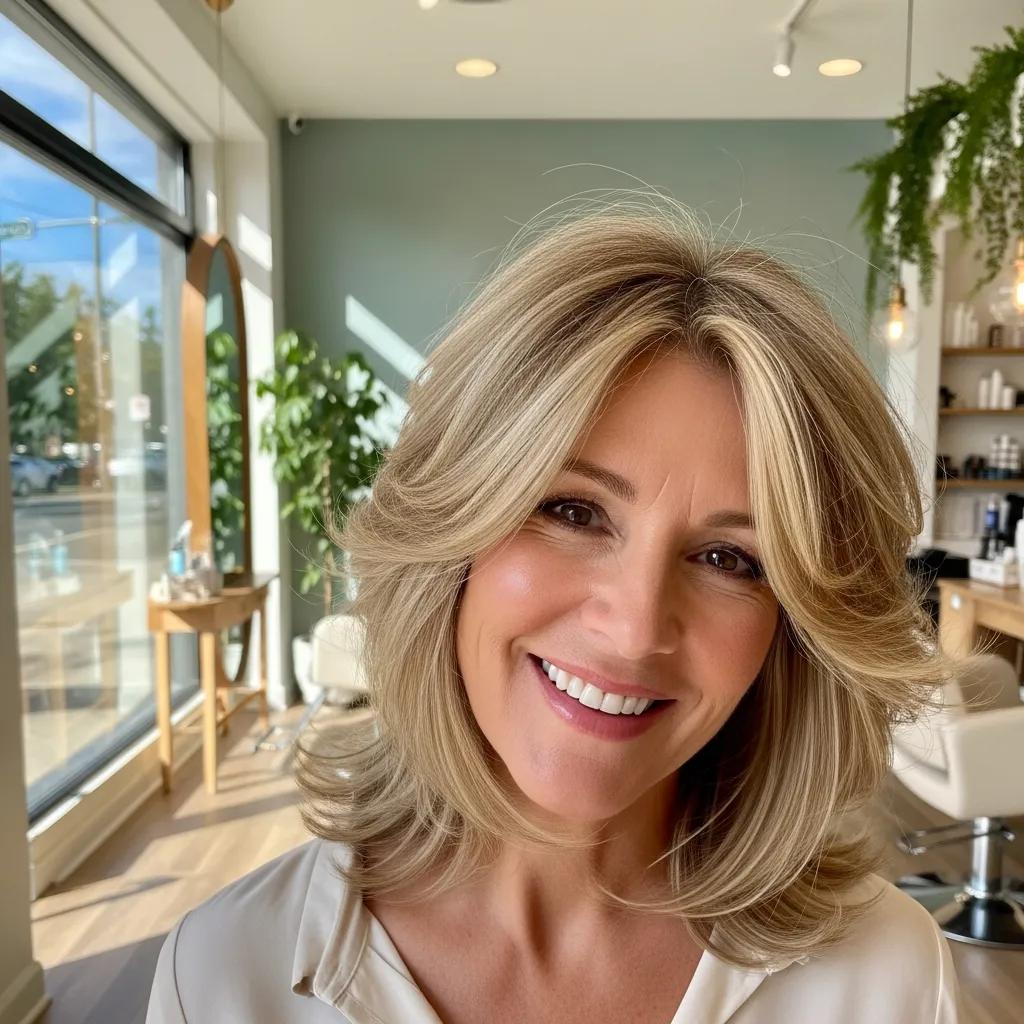
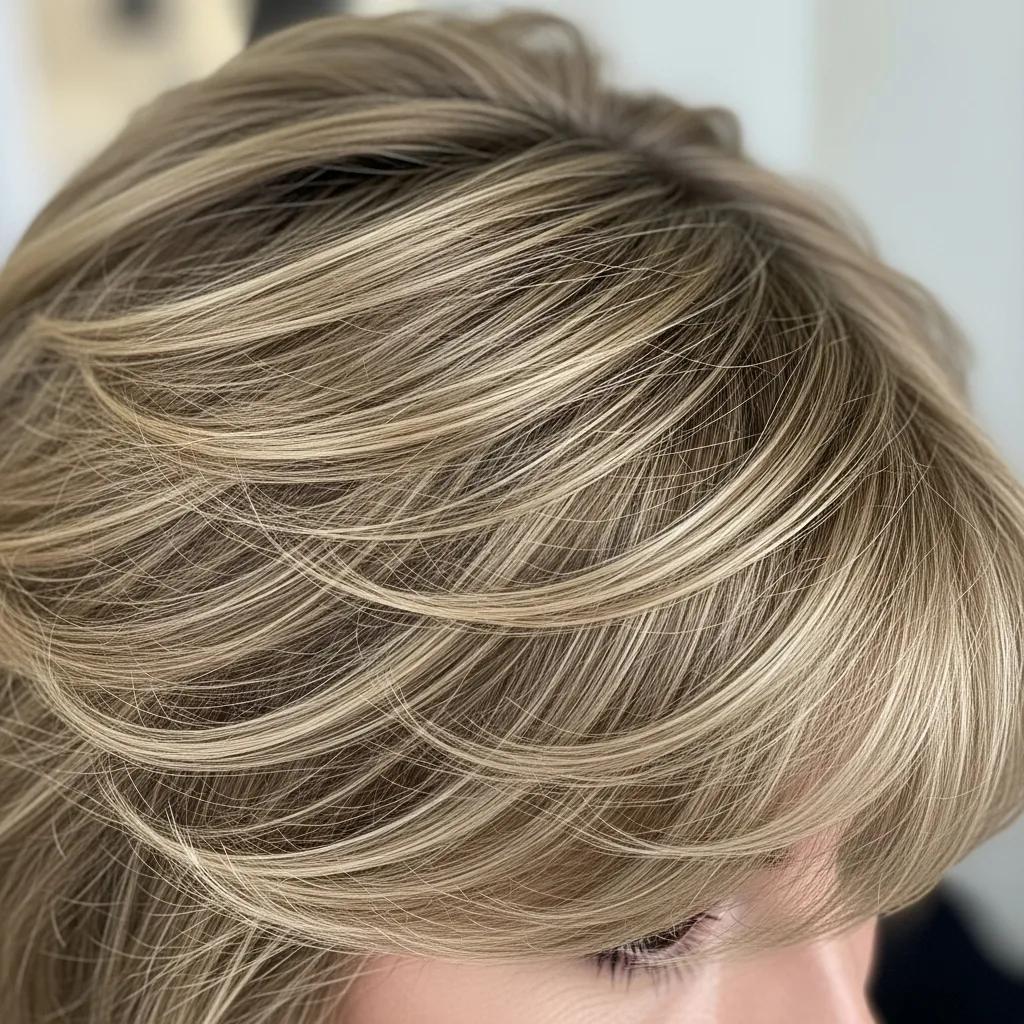
A soft piecy cut is defined by short, graduated layers and texturized ends that create distinct strands or “pieces” of hair, producing airy movement and surface separation that blunt cuts cannot achieve. The mechanism relies on point cutting, razor texturizing, and strategic weight removal at the perimeter so individual sections sit apart and reflect light, which visually increases density and reduces flatness. For women over 60 this translates into immediate benefits: added lift at the crown, softened facial lines through face-framing pieces, and a low-maintenance shape that still looks styled with minimal effort. Below is a compact mapping of these practical benefits to common age-related hair concerns so you can see the direct value for mature hair.
The effectiveness of these techniques in creating volume and texture is well-documented in hair styling literature.
Point Cutting & Layering for Hair Volume
scissors are used to reduce hair volume and create layers [14]. Techniques such as slide cutting and point cutting are used
Haircutting Robots, 2025
This table shows how the soft piecy cut addresses common concerns in mature hair.
Benefit Area
How the Cut Works
Practical Result
Volume
Short crown layers + tapered sides
Adds visible lift and reduces flatness
Face-framing
Wispy bangs and tapered pieces around face
Softens jawline and diminishes harsh angles
Weight reduction
Point-cutting and texturized ends
Prevents limp ends and improves movement
How Does the Soft Piecy Cut Add Volume and Texture to Mature Hair?
The soft piecy cut adds volume by removing weight from the ends and concentrating shorter layers at the crown, which creates lift where hair naturally lies flat; this structural change is a core reason the style works on fine or thinning hair. Point cutting and razor texturizing create feathered ends that separate into small segments, increasing visible surface area so hair appears fuller and more textured. Stylists often taper the sides and back while leaving a slightly longer top to allow flexible styling that enhances height and movement. Understanding these mechanics helps you request precise cutting techniques at the salon and apply targeted styling that amplifies the cut’s natural lift.
This explanation of techniques leads naturally to the aesthetic and age-defying benefits that mature clients experience when they choose a piecy cut.
What Are the Age-Defying Benefits of Soft Piecy Cuts for Older Women?
Soft piecy cuts deliver several visual age-defying effects beyond pure volume, starting with a modernized silhouette that redirects attention from facial lines to lively hair movement. Wispy bangs and face-framing layers can soften angular features and create a more youthful proportion, while texturized ends camouflage patchy thinning by breaking up the hairline visually. The low-maintenance nature of the style reduces time spent on daily styling and often lowers product usage, which appeals to clients who prefer effortless grooming routines. Recent styling trends show mature clients favoring movement and texture over heavy shapes, and the piecy approach aligns with that shift by offering a contemporary, flattering option.
Understanding the natural changes hair undergoes with age further highlights why these specific styling approaches are so beneficial.
Understanding the Hair Aging Process
Aging is an unavoidable biological process with many influencing factors, accounting for a multitude of visible manifestations on the hair as well as the skin. As the population ages while becoming more diverse, it is increasingly important to better understand the hair aging process. A literature search was performed to review what is known about changes in hair structure over time, focusing on the differences in hair aging according to ethnic background.
Hair aging in different races and ethnicities, MBC Maymone, 2021
These benefits inform which piecy variations work best for different faces and textures, which we cover next.
Which Soft Piecy Cut Variations Suit Women Over 60?
Soft piecy cuts come in several hyponym variations—pixie, layered bob, and soft shag—that share texturized ends but differ in length and weight distribution to suit unique face shapes and hair types. Each variation places layers strategically to optimize lift and frame the face: the pixie shortens the back and sides for pronounced crown lift, the layered bob redistributes weight for rounded volume, and the soft shag uses staggered layers to enhance natural waves. The table below compares these main options so you can match a variation to your face shape and texture before your salon consultation.
Choosing the right variation begins with matching silhouette and maintenance level to your lifestyle, which the comparison below clarifies.
Variation
Best For (Face Shape / Hair Type)
Key Features
Soft Piecy Pixie
Oval, heart; fine or thinning hair
Short crown layers, tapered sides, quick daily styling
Layered Piecy Bob
Round, square; straight to wavy hair
Longer perimeter, internal layers for lift, versatile length
Soft Piecy Shag
Oval, long face; wavy/thick hair
Staggered layers, face-framing pieces, textured movement
Reviewing these variations helps you weigh the trade-offs between length, volume, and upkeep; the next subsections describe signature features and styling shortcuts for each variation.
What Are the Features of a Textured Pixie for Women Over 60?
A textured pixie emphasizes shortness around the sides and nape with slightly longer, feathered layers on top to produce concentrated lift at the crown and easy separation along the hairline. Cutting techniques include short point cuts at the top for movement and tapering at ear level to prevent bulk, which benefits fine or thinning hair by creating a clean, airy finish. Styling is typically minimal: a small amount of lightweight mousse or lift spray at the roots followed by rough drying with fingers creates definition without stiffness. The textured pixie is an excellent choice for clients who want a bold but manageable look that reads youthful and sophisticated.
These practical pixie details lead into how a layered bob uses different layer placement to create a fuller perimeter shape.
How Does a Layered Bob Enhance Volume for Older Women?
A layered bob enhances volume by redistributing weight through graduated layers that sit beneath surface lengths, creating a rounded profile that reads thicker from a distance and moves naturally up close. Stylists often use internal layering and slight graduation at the back to encourage lift while keeping the outer length long enough to offer styling options like side-swept bangs or tucked-under finishes. For women with straight to slightly wavy hair, this approach creates a polished yet soft look that complements both casual and formal styling. The layered bob balances ease of maintenance with the ability to refine volume using targeted root-lift products.
Understanding how variations map to face shape and texture helps you choose a piecy cut that complements your features, which is the topic of the next section.
How to Choose the Best Soft Piecy Cut for Your Face Shape and Hair Type
Choosing the right piecy cut starts with assessing face shape, hair density, and daily styling preferences, then mapping those attributes to cut length and layer placement that enhance your best features. The decision rules below provide quick guidance to match common face shapes to piecy variations and offer customization points for mature hair, including allowances for gray blending and natural texture. A small EAV table follows to show compact rules you can reference before your salon consultation. Use these rules to arrive prepared and to ask specific questions about layer depth, bang placement, and crown elevation.
Use the quick rules below when deciding which cut to request from your stylist.
Oval faces: Flexible options such as a soft piecy pixie or a layered bob that maintain proportion and movement.
Round faces: Longer side layers and side-swept pieces that add vertical lines and elongate the face.
Square faces: Wispy bangs and soft, face-framing layers to soften jaw angles and create softer transitions.
Face Shape
Recommended Cut
Why It Works
Oval
Pixie or layered bob
Balanced proportions; any piecy silhouette works
Round
Layered bob with side layers
Adds vertical definition and elongates face
Square
Pixie with wispy bangs
Softens angles and distracts from jawline
Mapping these cues to your hair type is the next step; the following subsection covers adapting piecy cuts for fine or thinning hair.
Which Soft Piecy Cuts Complement Different Face Shapes Over 60?
Face-shape adaptation is about subtle changes: add longer side-swept pieces for round faces, keep top length moderate for square faces, and choose balanced layers for oval faces to preserve harmony. For heart-shaped faces, lower face-framing layers balance a narrower chin, while oblong faces benefit from volume at the sides to reduce perceived length. Always ask your stylist for layered blending rather than blunt ends; blended pieces soften facial lines and integrate gray growth in a flattering way. These small adjustments ensure the piecy silhouette flatters aging features and supports natural texture.
This face-shape mapping leads directly into strategies for fine or thinning hair, where structural choices can make a big visual difference.
How to Adapt Soft Piecy Cuts for Fine or Thinning Hair?
For fine or thinning hair, avoid over-thinning and instead use short, graduated layers to create internal support and lift that preserves the illusion of density. Point-cutting at the ends rather than aggressive thinning razors creates separation without stripping volume, and a slightly shorter perimeter can prevent weighed-down ends. Styling techniques include root-lifting sprays, a small amount of lightweight mousse distributed at the roots, and finger-drying to emphasize separation. Prioritizing cut structure and gentle products will maximize perceived fullness while minimizing breakage for mature hair.
With cut and adaptation covered, the next section explains the exact styling steps and product roles to recreate and maintain piecy texture.
Ask the stylist
Want RaDona to see your hair in person? Book a visit at her Nephi salon.
What Are the Best Styling Techniques and Products for Soft Piecy Cuts?
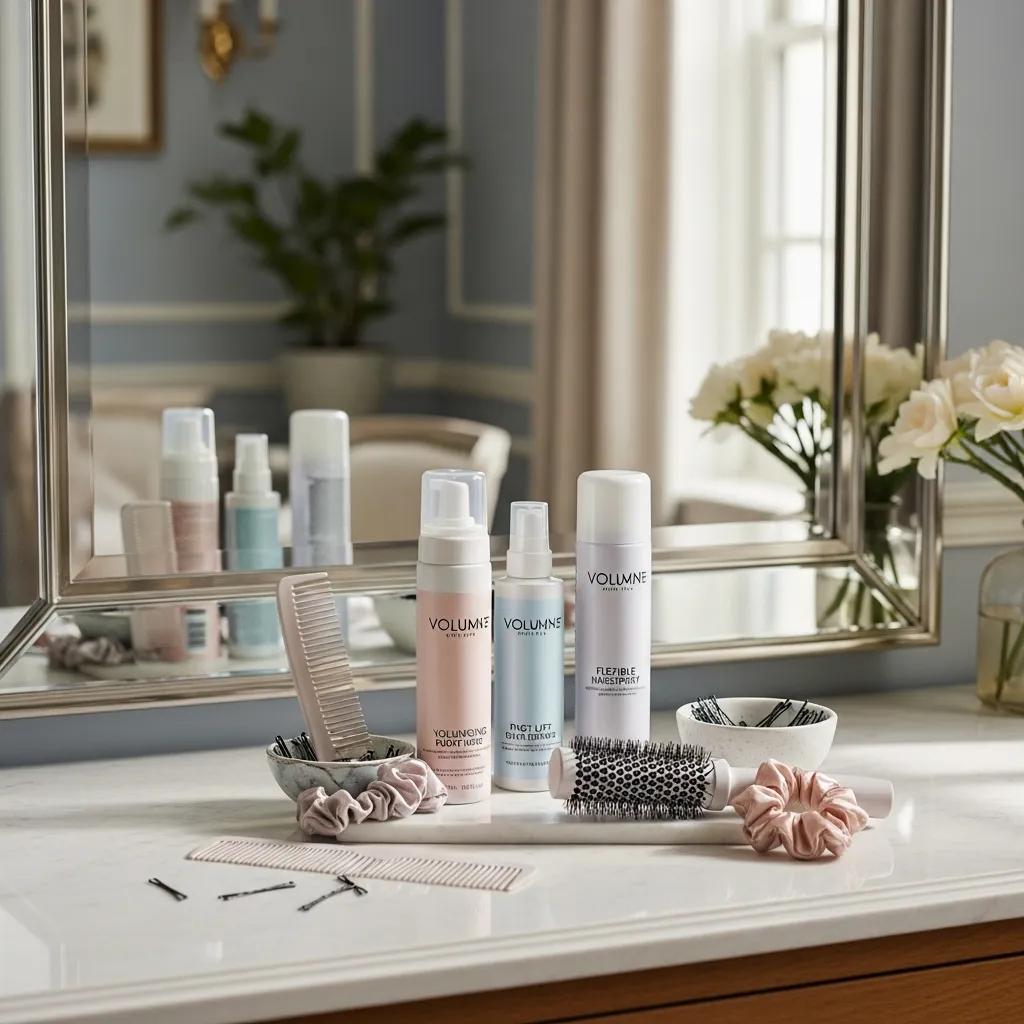
Effective styling for piecy cuts follows a simple stepwise routine: prep with a lightweight volumizing product, rough-dry to set lift, apply a texturizing paste for separation, and finish with flexible-hold hairspray to preserve movement. The practical numbered steps below give a repeatable sequence that works for most piecy variations and mature hair textures. After the steps is a product-role table that maps common product types to their attributes and application benefits so you can select formulas suited to fine, gray, or color-treated hair. Video demonstrations featuring styling application are available from seasoned stylists and are particularly helpful for visual learners; these clips show amounts, timing, and tool choices in real time.
Follow these numbered styling steps when you want consistent piecy texture at home.
Prep hair with a lightweight volumizing mousse or lift spray and distribute from roots to mid-lengths.
Rough-dry while lifting at the crown with fingers or a round brush to set volume where layers are shortest.
Work a pea-sized amount of styling paste into the ends to create separation and define pieces.
Finish with a light flexible-hold hairspray to hold shape without stiffening fine strands.
The sequence above pairs with product choices that serve distinct roles; the table below clarifies those roles.
Product Type
Attribute
Benefit / Use
Volumizing Mousse
Lightweight foam
Adds body at roots without residue
Root-Lift Spray
Spray formula
Provides targeted elevation at crown
Styling Paste
Low-hold, malleable
Creates separation and piece definition
Flexible Hairspray
Medium hold
Locks shape while allowing natural movement
This product mapping helps you choose one or two core items to build a simple kit; the next subsections detail bangs styling and product selection for mature hair.
How to Style Wispy Bangs and Maintain Piecy Texture?
Styling wispy bangs starts with a dry-cutting approach to remove bulk without losing feathered edges, and daily shaping uses a round brush or fingers with a light blow-dry to preserve softness. Apply a tiny amount of styling paste at the ends of the bangs to encourage separation, and use a root-lift spray sparingly near the part to avoid flattening adjacent pieces. For between-wash refreshes, mist hair with a light texturizing spray and tousle with fingers rather than heavy brushing to keep piecy definition. These routines maintain the cut’s airy look while minimizing manipulation that can stress mature strands.
These bangs techniques complement broader product selection decisions discussed next.
Which Hair Care Products Support Volume and Hold for Mature Hair?
Select lightweight formulations that add lift without coating or weighing gray or fine hair, focusing on products labeled for volume, root lift, and flexible hold rather than thickening balms that can feel heavy. A small, focused kit of mousse, root-lift spray, a low-residue styling paste, and a medium flexible hairspray usually covers the needs for keeping piecy texture intact. Consider sulfate-free shampoos and conditioning treatments that preserve moisture without flattening hair, and use weekly protein or moisture masks according to your hair’s porosity. Choosing the right products reduces daily effort and supports the cut’s intended separation and movement.
Knowing which products to choose makes it easier to maintain the cut long-term, which the following section addresses.
How to Maintain and Care for Your Soft Piecy Cut Over Time
Maintaining a soft piecy shape requires a predictable trim cadence, a focused weekly care routine, and seasonal adjustments to counter humidity or dryness that affect texture. The maintenance timeline below offers clear trim intervals by variation and a weekly regimen designed to balance hydration and lightweight styling support. An additional list outlines simple at-home practices that protect mature hair integrity, and the following table helps you choose maintenance steps based on common seasonal challenges. Regular professional shape-ups and the right home routine will keep the piecy silhouette intentional rather than unkempt. hairstyles for women over 50
Use the maintenance timeline below to schedule salon visits and home care.
Trim intervals vary by style but generally follow these ranges and cues.
Weekly care includes gentle shampooing, conditioned mid-lengths, and a light styling product on non-wash days.
Seasonal adjustments involve swapping to humidity-resistant sprays in summer and richer conditioners in winter.
These maintenance steps protect both the style and the health of maturing hair, and the next subsections offer daily tips and exact trim cues.
What Are Essential Hair Care Tips for Women Over 60 with Piecy Cuts?
Essential care emphasizes gentle handling, balanced hydration, and scalp health to support hair strength and appearance while avoiding heavy products that counteract piecy separation. Use a soft-bristle brush or wide-tooth comb to detangle, apply a lightweight leave-in conditioner to mid-lengths, and prioritize scalp stimulation through gentle massage to support circulation. Limit high-heat styling and always use a heat protectant when using hot tools; heat damage can blunt textured ends and remove the very pieces that define the cut. These habits preserve both the cut’s aesthetic and the long-term condition of mature hair.
These daily care practices dovetail with specific trimming guidance described next.
How Often Should You Trim to Preserve the Soft Piecy Shape?
Trim frequency depends on variation and growth rate: short pixies typically need 6–8 week refreshes to maintain crown lift, layered bobs benefit from 8–12 week cuts to preserve rounded volume, and shags can stretch slightly longer but need regular shaping to avoid losing layer definition. Signs a trim is needed include loss of separation at the ends, a flattened crown, or bangs that begin to obscure the eye line; communicating these cues to your stylist ensures targeted trimming rather than a full restyle. When requesting a salon touch-up, ask specifically for point-cut refreshes and perimeter tidy-ups to keep the piecy texture intact.
Knowing when to cut keeps the silhouette intentional and easy to manage between visits; the final section points you to expert demos and curated product sources for visual guidance.
Where Can You Watch Expert Tutorials and Find Recommended Products?
For visual learners, video tutorials demonstrate exact cutting motions, product amounts, and drying techniques that are hard to capture in text alone; RaDona Ludlow, licensed cosmetologist and stylist associated with Boys and Girls Hairstyles, provides accessible demonstrations tailored to mature hair. These videos walk through step-by-step cutting cues, styling sequences, and product application tips that help replicate salon results at home or prepare you for a precise salon consultation. In addition to tutorials, curated product lists—sourced from common retail channels—help you assemble a compact styling kit for piecy texture. Below is a short list of recommended viewing and product categories to prioritize.
Watch step-by-step cutting demonstrations to understand point-cut angles and layer blending.
View styling sequences that show exact product quantities and drying methods.
Follow playlist collections that group pixie, bob, and shag tutorials for side-by-side comparison.
The lists and videos complement product choices; the product table below outlines categories and why they matter for mature piecy cuts.
Product Category
Role
Quick Buying Tip
Volumizing Mousse
Root lift and body
Choose lightweight formulas
Root-Lift Spray
Targeted elevation
Apply at damp roots before drying
Styling Paste
Separation
Start with pea-sized amount
Flexible Hairspray
Hold without stiffness
Look for flexible/brushable labels
These curated categories, demonstrated in expert tutorials, make it straightforward to replicate piecy results at home and to request specific products or techniques when visiting a stylist.
How Does RaDona Ludlow Demonstrate Soft Piecy Cuts for Mature Women?
RaDona Ludlow’s demonstrations focus on preserving natural texture while creating strategic separation through point cutting and subtle graduation, showing viewers exact hand positions and tool choices. Her walkthroughs typically begin with mapping the head, setting crown length, and then texturizing the perimeter to define face-framing pieces; timestamps in a tutorial help you jump to cutting, drying, or styling phases quickly. RaDona emphasizes gentle techniques for mature hair, such as minimal thinning and the use of low-heat settings, and she offers clear language to help clients request the same shape from a salon. Watching her approach clarifies both what to expect and how to maintain the cut between professional visits.
These video summaries encourage hands-on learning and prepare you to choose products demonstrated next.
Which Products Are Recommended for Styling Soft Piecy Cuts Over 60?
Recommended products focus on lightweight volume, flexible separation, and protective care that supports gray and delicate strands without residue. Typical picks include a volumizing mousse for foundation lift, a root-lift spray for targeted elevation at the crown, a low-hold styling paste to define pieces, and a flexible-hold hairspray to finish while preserving movement. Many stylists and content creators associated with curated product selections available through common retail channels for convenience when assembling a starter kit. When selecting each product, prioritize formulations labeled for fine or color-treated hair and begin with small amounts to avoid weighing down the cut.
These product choices, paired with the tutorial demonstrations, complete the practical toolkit for achieving and maintaining a soft piecy cut.