

Pixie Cut for Curly Hair: The Complete Guide for Every Curl Type
Generally, the pixie cut for curly hair works because it embraces natural curl pattern rather than fighting it. Specifically, this guide covers 6 pixie cut variations matched to every curl type — from loose waves (Type 2) through tight coils (Type 4C). Notably, the guide includes a dedicated over-50 silver curly pixie variation. It also covers the daily routine that keeps curly pixies looking intentional, not unruly.
Why curly pixies require different rules than straight pixies
Generally, a pixie cut for curly hair fails when cut using straight-hair pixie rules. Specifically, three differences matter most. First, curly hair shrinks 30 to 50% from wet to dry — the cut needs to start that much longer than the target length. Second, curl pattern creates visible volume that straight-hair pixies lack — fewer layers are needed. Third, curl pattern responds to weight differently — cutting too short collapses the curls.
The successful pixie cut for curly hair respects curl pattern as the primary design element. Specifically, the cut shapes around the curl rather than against it. Generally, this means working with the curl's natural fall direction, accepting variation between sides, and embracing the volume that curls produce. Notably, attempting to force curly hair into a symmetric straight-pixie shape rarely produces results that hold up day to day.
Generally, the most common pixie cut for curly hair mistake is cutting to the target dry length while hair is wet. Specifically, hair shrinks dramatically when curls form — what looks like a chin-length cut wet becomes an ear-length cut dry. Notably, experienced curl-trained stylists either cut hair completely dry, or wet-cut at 30-50% longer than the desired final length.
4 curl types — and which variation works for each
Generally, curl pattern falls into four categories that determine which pixie cut for curly hair variation suits you. Specifically, the four cards below cover the spectrum from loose waves to tight coils. Notably, identifying your curl type before choosing a variation prevents the most common disappointments.
Loose S-shaped curls
Type 2 waves form gentle S-curves and lose curl easily when wet or weighed down. Variations 1, 3, and 6 work best for this type. Avoid heavy layering that flattens the wave pattern.
Defined ringlet curls
Type 3 curls form distinct ringlets that hold shape well. Almost every variation suits this curl type. The classic defined curl pixie (variation 1) is the most universal match.
Tight springs and zigzag patterns
Type 4 patterns form tight springs (4A) or zigzag patterns (4B). The tapered curly pixie (variation 2) and wash-and-go (variation 4) work best. These types need extra moisture in styling routines.
Tight zigzag, minimal definition
Type 4C has the tightest coil pattern with limited definition without product. The tapered or shaped variation (variation 2 or 6) works best. Specifically dedicated to Type 4 textures with shrinkage that can exceed 75%.
RaDona's curl-friendly cutting technique
Generally, watching a pixie cut for curly hair happen on real hair clarifies the technique. Specifically, this is RaDona's curly pixie tutorial from her Utah salon showing how to cut around the curl pattern rather than against it. Notably, the foundation technique in this video powers every variation in the guide below.
6 pixie cut for curly hair variations
Generally, six pixie cut for curly hair variations cover every curl type from loose waves to tight coils. Specifically, the variations below are sequenced from the most universal to the most curl-type-specific. Notably, every variation card links to a real RaDona styling video filmed in her Utah salon.
The Classic Defined Curl Pixie
The classic defined curl pixie shapes around the natural curl pattern with minimal internal layering. Specifically, the cut keeps the curls at chin-length wet (ear-length dry after shrinkage) and lets the curl pattern define the silhouette. Generally, this is the right starting point for anyone new to curly pixies because it preserves maximum curl definition with no styling complexity.
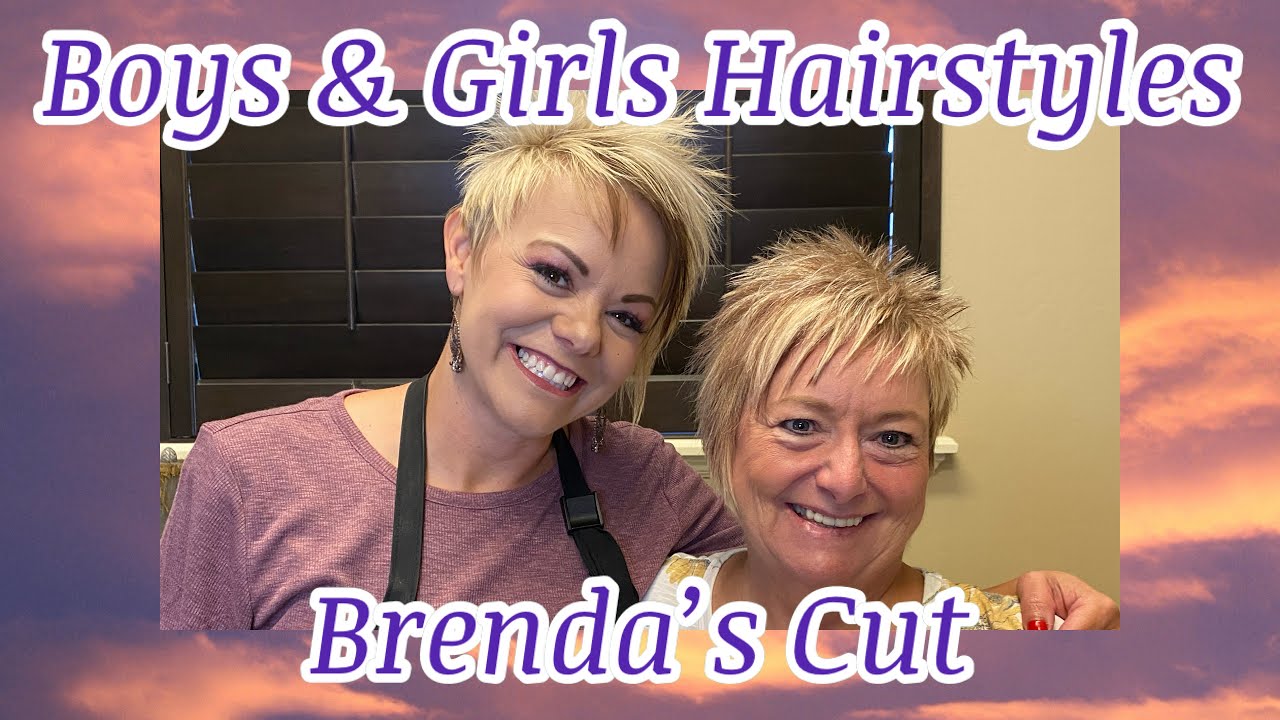
The Tapered Curly Pixie
The tapered curly pixie keeps the sides clipper-faded short and the top section full of curl. Generally, this variation works particularly well for Type 4 textures because the taper prevents the overall shape from looking too wide. Specifically, the faded sides also reduce the daily styling time significantly since only the top section needs product.

The Curly Pixie with Bangs
The curly pixie with bangs preserves the curl pattern in the fringe rather than straightening it. Specifically, the curly bangs sweep softly across the forehead in their natural pattern. Generally, this variation works for Type 2-3 curls where the bang pattern stays visible. Notably, Type 4 curls produce a different effect — a fuller, more rounded fringe that frames the face differently but works equally well.

The Wash-and-Go Pixie
The wash-and-go curly pixie is designed to be styled exclusively in the shower. Specifically, leave-in conditioner gets applied to soaking wet hair, the hair gets scrunched once or twice, and the cut air-dries naturally. Generally, this variation works for any curl type and is the lowest-maintenance option in the guide. Notably, this is RaDona's most-recommended low-maintenance pixie cut for curly hair — the established choice for clients who refuse daily styling.
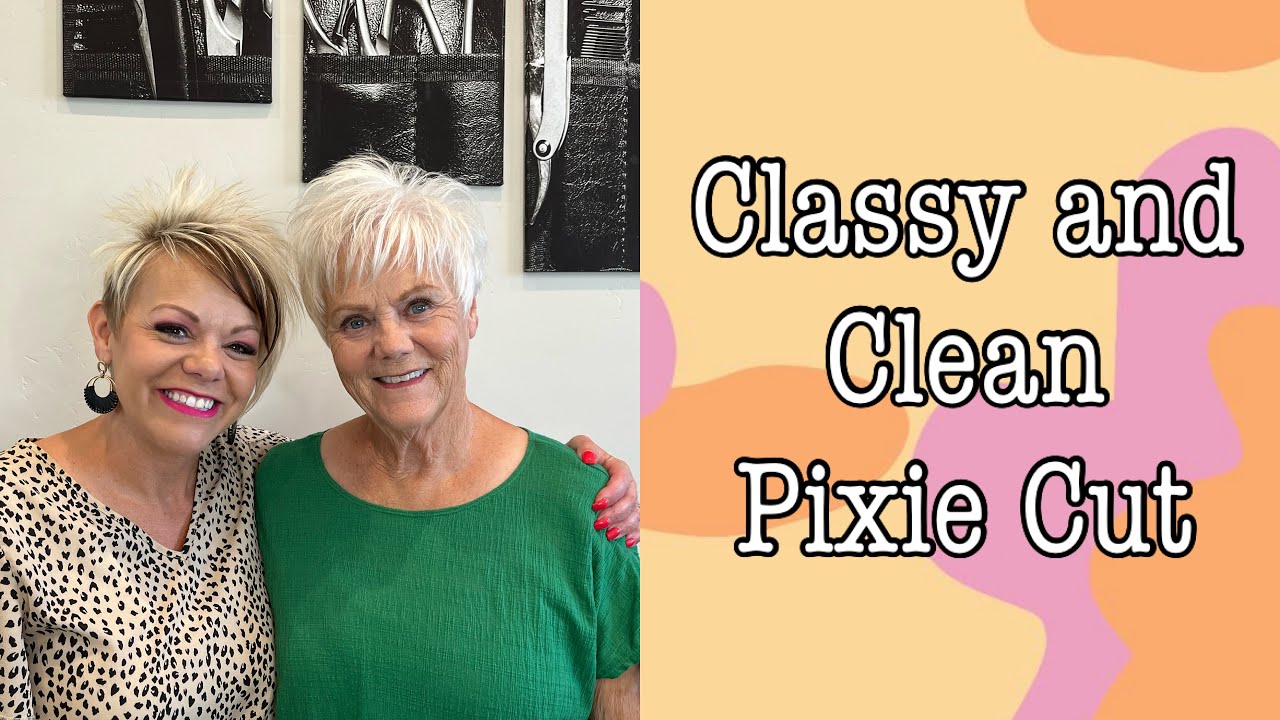
The Over-50 Silver Curly Pixie
The over-50 pixie cut for curly hair pairs natural silver or gray tones with curl-forward styling. Specifically, the cut keeps slightly more length than younger variations. Notably, this preserves curl weight and avoids the cottony look that very short silver curls sometimes get. Generally, this is RaDona's most-requested variation for women over 50 who are growing out their gray and want to embrace their natural texture simultaneously. Notably, the pixie cut for curly hair over 50 reads as deliberate elegance, not as someone who has stopped trying.

The Shaped Coily Pixie (Type 4C)
The shaped coily pixie is specifically designed for Type 4C coily hair where shrinkage exceeds 75%. Specifically, the cut creates a sculpted silhouette rather than relying on visible curl definition. Generally, this variation works best when paired with a defined product routine — gel or curl cream applied to soaking wet hair. Notably, this variation also works for kinky hair where the curl pattern is less consistent across the head.
The daily curly pixie styling routine
Generally, a pixie cut for curly hair has a different daily routine than straight pixies. Notably, getting the routine right matters more than getting the cut right. Specifically, three steps make the difference between curls that read as styled vs frizzy. First, apply leave-in conditioner to soaking-wet hair (not damp, not towel-dried — soaking wet). Second, scrunch the product through the curls with cupped hands, working from ends toward the scalp. Third, let curls air-dry without touching them until 80% dry, then optionally diffuse the last 20%.
The most underrated pixie cut for curly hair tip is the no-touching rule between wash and dry. Generally, every time damp curls get touched, they break their clumping pattern and produce frizz. Specifically, this means no running fingers through, no scrunching after the initial product application, and no looking in the mirror to assess until fully dry. Notably, the curl pattern that emerges after this hands-off drying is dramatically more defined than curls touched repeatedly during drying.
Generally, the second-day pixie cut for curly hair often looks better than the first-day. Specifically, plopping curls into a microfiber towel overnight or sleeping on a silk pillowcase preserves the first-day curl pattern. Notably, refreshing day-2 curls with a water-and-leave-in mixture (50/50 in a spray bottle) extends curl life by an additional day without rewashing.
Which pixie cut for curly hair variation matches your priority?
Generally, finding the right variation comes down to your priority. Specifically, the comparison table below pairs your top priority with the best variation, daily styling time, and best-fit curl type. Notably, save this section to share with your stylist when booking your appointment.
| Your priority | Best variation | Daily time | Best curl type |
|---|---|---|---|
| Maximum curl definition | The Classic Defined Curl Pixie | 3 min | Type 2-3 |
| Lowest maintenance | The Wash-and-Go Pixie | 0 min after shower | All types |
| Modern edgy look | The Tapered Curly Pixie | 2 min | Type 3-4 |
| Face framing | The Curly Pixie with Bangs | 4 min | Type 2-3 |
| Over 50 with silver | The Over-50 Silver Curly Pixie | 3 min | All types |
| Tight coils (4C) | The Shaped Coily Pixie | 5 min | Type 4C / kinky |
5 common pixie cut for curly hair mistakes
Generally, five recurring mistakes can turn an otherwise great pixie cut for curly hair into a frustrating one. Specifically, three happen at the salon and two happen at home. Notably, every mistake below has a clear fix once you know what to watch for.
| Mistake | What goes wrong | The fix |
|---|---|---|
| Cutting to dry length while wet | Final result is dramatically shorter than expected after curls form | Cut dry, or wet-cut at 30-50% longer than the target final length |
| Using a straight-hair stylist | Cut is technically clean but ignores curl pattern; result looks flat | Find a curl-trained stylist or one who routinely cuts curly hair |
| Asking for symmetrical sides | Curl pattern naturally varies left vs right; forcing symmetry fights the hair | Accept the natural variation; ask for "balanced" not "symmetrical" |
| Touching curls while drying | Curl pattern breaks; ends up frizzy instead of defined | Apply product once, then no touching until 80% dry |
| Using regular shampoo | Strips moisture; curls become dry and frizzy within hours | Switch to sulfate-free or co-wash conditioner immediately |
5 essentials for the pixie cut for curly hair routine
Generally, five products handle every pixie cut for curly hair variation in this guide. Specifically, these are what RaDona keeps stocked for curly clients. Notably, the leave-in conditioner is the single most important purchase — every routine starts with it.
Leave-in conditioner
The foundation of every curly routine. Applied to soaking wet hair, it provides the moisture and slip that lets curls clump naturally instead of frizzing.
View on Amazon →Curl cream or gel
Adds hold and curl definition after the leave-in. Cream works better for Type 2-3 waves and curls; gel works better for Type 4 coils.
View on Amazon →Sulfate-free shampoo
Cleans without stripping the natural oils curls depend on. Critical for color-treated or chemically processed curls.
View on Amazon →Microfiber towel or t-shirt
Replaces regular bath towels that cause frizz. The plop technique uses a microfiber towel to scrunch out water without disturbing curl pattern.
View on Amazon →Silk or satin pillowcase
Preserves the day-1 curl pattern through the night. Cotton pillowcases cause friction that breaks curls; silk lets curls slide and stay intact.
View on Amazon →Pixie cut for curly hair — eight questions asked most
Generally, yes — a pixie cut for curly hair is a great choice when cut correctly. Specifically, curly pixies embrace natural curl pattern rather than fighting it, which often produces better daily styling than longer curly cuts. Notably, the key is finding a stylist who cuts curly hair regularly. A pixie cut for curly hair done by a straight-hair stylist often produces a flat, unflattering result because curl pattern was not considered during the cut. The 6 variations above show what is possible when curls drive the design.
Generally, the Over-50 Silver Curly Pixie (Variation 5) is RaDona's most-requested pixie cut for curly hair over 50. Specifically, it pairs natural silver or gray tones with slightly more length than younger variations — enough to preserve curl weight and avoid the cottony look very short silver curls sometimes get. Notably, the variation works equally well for Type 2 waves through Type 4 coils. Women over 50 growing out their gray simultaneously benefit most from this variation because it reads as deliberate elegance rather than uncared-for hair.
Generally, a pixie cut for curly hair can go as short as Type 4C textures allow — sometimes a quarter inch from the scalp on the sides. Specifically, the limit is the shrinkage factor: very short curly hair often loses the visible curl pattern entirely, leaving a sculpted shape rather than visible curls. Notably, most clients prefer keeping enough length to preserve curl pattern (Variations 1, 3, 4, 5) rather than going to the shortest possible shaped variation (Variation 6) unless they have very tight coils where shape is the design goal.
Generally, the Wash-and-Go Pixie (Variation 4) is the lowest-maintenance pixie cut for curly hair. Specifically, the styling routine is leave-in conditioner applied to soaking wet hair, one or two scrunches with cupped hands, then air-dry without touching. Notably, the cut takes about 30 seconds of daily effort total once the technique is learned. The Wash-and-Go works for any curl type from Type 2 waves through Type 4C coils and is the right choice for clients who refuse daily styling routines.
Generally, look for stylists who specifically advertise curl-trained certification or who routinely cut curly hair in their portfolio. Specifically, terms like "DevaCut certified," "curl specialist," or "Ouidad-trained" indicate formal training in cutting curly hair. Notably, asking to see photos of their actual curly clients (not just stock photos) is the most reliable test — a stylist who routinely cuts curly hair will have plenty of real client photos to show. RaDona has cut curly hair in her Utah salon for 25 years across all curl types.
Generally, curly hair benefits from being cut dry — or at minimum, cut with the shrinkage factor accounted for if wet. Specifically, cutting dry lets the stylist see exactly how each curl falls, which produces a more flattering shape. Notably, wet-cutting can work for Type 2 waves and looser Type 3 curls if the stylist cuts the hair 30-50% longer than the desired final length. For Type 4 coils, dry-cutting is essentially mandatory because shrinkage can exceed 75%, making wet-cut length impossible to predict.
Generally, a pixie cut for curly hair needs trimming every 6 to 8 weeks to maintain shape. Specifically, the Tapered Curly Pixie (Variation 2) needs the most frequent trims at 4 to 5 weeks because the faded sides grow out quickly. The Classic Defined Curl Pixie (Variation 1) and the Over-50 Silver Curly Pixie (Variation 5) can stretch to 8 weeks. Notably, the Wash-and-Go Pixie (Variation 4) holds shape longest because it relies less on precise cut lines.
Generally, five products handle every pixie cut for curly hair variation in this guide. Specifically: leave-in conditioner (the foundation of every routine), curl cream or gel (cream for Type 2-3, gel for Type 4), sulfate-free shampoo (cleans without stripping natural oils), a microfiber towel or t-shirt (replaces frizz-causing bath towels), and a silk or satin pillowcase (preserves the day-1 curl pattern overnight). Notably, the leave-in conditioner is the most important — without it, no other product compensates for the missing moisture.
Sources & Methodology
Generally, every variation, technique, and product recommendation in this guide comes from real salon work. Specifically:
- RaDona's salon experience — 25 years cutting curly hair in her Utah salon across every curl type from Type 2 waves through Type 4C coils.
- YouTube channel — 800+ tutorials, 180K+ subscribers, with the six curly pixie tutorials embedded throughout this guide.
- Bon Losee Academy training — formal cosmetology training including specialty curly hair cutting techniques.
- Real curly client outcomes — variations tested across hundreds of curly clients over multiple years.
- Shrinkage factor verification — measured across all four curl types to confirm the 30-50% wet-to-dry shrinkage range (75%+ for Type 4C).
- Over-50 client feedback — the silver pixie variation refined over years of work with women growing out gray.
- Product testing — curly hair products tested across real client routines over 90-day cycles.
- Stylist-pattern matching — variation recommendations cross-checked against actual curl pattern outcomes.
Methodology note: A pixie cut for curly hair is more art than formula — the stylist's understanding of curl pattern matters more than the precise cut. Generally, this guide gives you the framework to communicate goals clearly with your stylist.
Published: Original 2023 · Last updated: May 2026 · Next scheduled review: November 2026.
The curly pixie product kit
Every product recommended for a pixie cut for curly hair is curated on RaDona's Amazon storefront. Tested in her Utah salon on real curly clients across every curl type. Includes leave-in conditioners, curl creams, gels, sulfate-free shampoos, microfiber towels, and silk pillowcases that preserve curl pattern overnight.