
Effortless Bob Hairstyles for Older Women: Embracing the Change
Generally, cutting long hair shorter feels like a bigger decision after 60 than at any other age. Specifically, this guide addresses the emotional preparation, the 6 effortless bob variations that flatter older women, and the products that make the daily styling routine genuinely effortless. Notably, every recommendation comes from RaDona's 25 years of guiding mature clients through the long-to-bob transition.
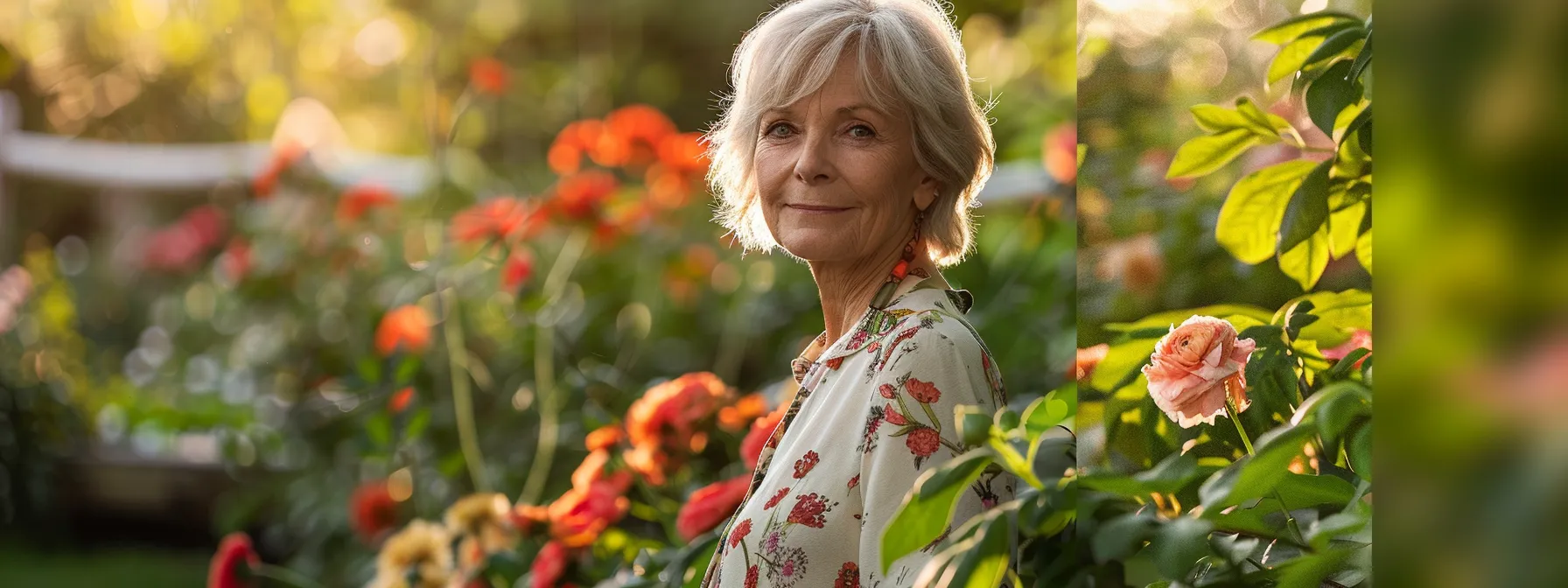
Variations
Time
Recommendations
Has Guided This Transition
Why "effortless" matters for older women
Generally, the bob has been the most-requested haircut for older women for nearly a century. The version recommended today differs significantly from the polished, blow-dried bobs of the past. Specifically, today's effortless bob is designed to look beautiful within 5 minutes of styling instead of requiring 30. Notably, this matters more for older women than any other group because the daily morning routine is where lifestyle quality lives or dies.
An effortless bob accomplishes three things at once. First, it removes the daily arm strain of blow-drying long hair (significant for women with arthritis or shoulder issues). Second, it works WITH gray or silver hair rather than fighting it. Third, it photographs younger than the same woman in long hair. Counterintuitively, older women look more vibrant with shorter, well-shaped hair than with longer, unstyled hair.
Generally, an effortless bob takes 5 minutes or less to style after a shower. Specifically, the right cut should air-dry into shape, take a single quick brush, and require minimal product. Notably, if your current bob still takes 20+ minutes daily, the cut itself is wrong — not your styling ability.
Embracing the change from long hair to a bob
Generally, the hardest part of the long-to-bob transition for older women isn't the cutting — it's the deciding. Specifically, long hair carries decades of identity, and letting go of it feels significant in ways that shorter cuts at younger ages did not. Notably, every older woman RaDona has cut from long to bob has paused for a moment after the first big snip. That pause is normal.
The women who feel best about the transition share three things in common. First, they wanted the change for themselves — not because someone else suggested it. Second, they understood that the bob would be different from the long hair they wore for years — not worse, just different. Third, they came in with photos of bobs they admired, so the conversation with the stylist was grounded in specifics rather than abstractions.
The women who regret the change usually share one thing in common: they cut on impulse without genuine preparation. Specifically, the impulse cut after a difficult life event (divorce, loss, retirement) is the highest-regret category. Generally, waiting 2-4 weeks past the impulse before booking is the best filter. If the desire is still there, the cut will produce a positive outcome.
Generally, the women who love their bob most are the ones who view it as adding to their life rather than subtracting from their past. Specifically, framing the change matters. "I'm choosing this for the next chapter" lands differently than "I had to give up my long hair." Notably, this small mental reframe shifts how the cut feels in the first 2 weeks.
See an older client's long-to-bob transformation
Generally, watching a real transformation video calms the nerves before the cut. Specifically, this is Linda's stacked bob with bangs — a real older client of RaDona's, filmed in the Utah salon.
Linda's stacked bob with bangs — the technique RaDona uses for older clients moving from long hair into an effortless shape.
The variations6 effortless bob variations for older women
Generally, "the bob" can mean six meaningfully different cuts on older women. Specifically, the six variations below are arranged from the easiest daily routine to the most styling-intensive. Notably, every option below takes 10 minutes or less to style daily — even the most involved.
The Wash-and-Wear Chin-Length Bob
The wash-and-wear bob is cut at chin length with subtle interior layers. Generally, this is the most effortless variation in the entire guide — it air-dries into shape and requires no blow-drying. Specifically, the layers add just enough movement to prevent the cut from looking heavy on mature hair. Notably, this is RaDona's most-recommended starting point for older clients new to the bob.
The Soft Layered Bob
The soft layered bob keeps the chin-length silhouette but adds face-framing layers around the cheekbones. Specifically, these layers soften the jawline (which often becomes more defined with age) and add visual lift to the cheekbones. Generally, this variation works beautifully for older women with oval, round, or square face shapes. Notably, the face-framing layers eliminate the need for separate bangs while delivering the same softening effect.
The Stacked Bob with Bangs
The stacked bob features graduated layers in the back that create lift at the crown — particularly valuable for older women dealing with thinning at the top. Generally, the bangs frame the eyes and minimize forehead lines visually. Specifically, this is the single most rejuvenating bob variation for senior women. Notably, the back of the cut requires a stylist's touch to maintain — this isn't a wash-and-wear option, but the 8-minute daily styling delivers outsized results.
The Asymmetric Bob
The asymmetric bob has visibly different lengths on each side — typically chin-length on one side and shoulder-length on the other. Generally, this variation reads as deliberately modern rather than traditional. Specifically, it's the right choice for older women who want a bob but not a "grandmother's haircut." Notably, the diagonal line elongates the face beautifully. This signals contemporary style at any age.
The Textured Choppy Bob
The textured choppy bob uses razor cutting at the ends to create visible piece-y texture. Specifically, this technique adds the appearance of volume to fine or thinning hair — exactly the hair concern most common after 60. Generally, the choppy ends mean the cut never looks "blunt" or harsh, which suits softer mature features. Notably, this variation requires the right stylist — choppy cutting on mature hair has to be subtle rather than aggressive.
The Long Bob (Lob) for Older Women
The long bob sits just past the collarbone — shorter than the long hair you're embracing-the-change from, but longer than the classic chin-length bob. Generally, this is the right starting point for older women who feel uncertain about going all the way short. Specifically, the lob lets you experience the lighter feeling of shorter hair without committing to a dramatic length change. Notably, many women who start with a lob naturally transition to a chin-length bob within 6-12 months.
The grow-out plan — knowing your safety net
Generally, knowing how the bob will look during grow-out reduces the anxiety of the original cut. Specifically, the four phase cards below describe what to expect month by month. Notably, the bob is one of the most graceful cuts to grow out — every intermediate length looks intentional.
Settling into the cut
The bob looks freshest in the first 3 months. Schedule a small shape-up trim at month 2 — not a full re-cut, just a refinement.
Approaching a long bob naturally
The cut grows into a soft long bob (lob) shape. Generally, this is the time to decide whether to maintain the original length or let it continue growing.
Mid-transition territory
The hair reaches a versatile shoulder length. Specifically, this is the most flexible length — works as both a long bob and as the start of a return to long hair.
Back to long if you want
If you decide to grow out fully, the original hair length usually returns within 18-24 months. Most older women who return to long hair say they preferred the bob.
The 4 products that keep the bob effortless
Generally, an effortless bob needs surprisingly few products. Specifically, the four products below are what RaDona keeps in her salon for older clients with bobs. Notably, the goal is fewer products that work consistently rather than a long routine that requires daily attention.
Lightweight volumizing mousse
A golf-ball-sized amount applied to damp roots adds lift without weighing down the cut. Heavy mousses flatten mature fine hair — choose lightweight formulas.
View on Amazon →Round brush for a chin-length bob
A 1.5 to 2 inch round brush gives the right curve to the ends of a chin-length bob. The smaller diameter produces more curl; the larger gives a softer bend.
View on Amazon →Lightweight shine serum
One pump rubbed between palms and smoothed over the ends adds the polish that distinguishes a styled bob from an unstyled one. Skip heavy serums — they flatten mature hair.
View on Amazon →Sulfate-free shampoo for mature hair
Sulfates strip the natural oils that mature hair desperately needs. Sulfate-free formulas preserve the softness that helps the bob's shape stay smooth.
View on Amazon →What to ask your stylist before the cut
Generally, the right consultation conversation prevents a regret-inducing cut. Specifically, four questions matter most when an older woman transitions from long to bob. Notably, asking these by name signals to the stylist that you've prepared.
First, ask: "Can you show me how this cut will look without blow-drying?" This confirms the cut will actually be effortless. Otherwise it might secretly require daily blow-drying. Second, ask: "How will this grow out over the next 6 months?" A stylist who answers confidently has thought about your long-term experience, not just the day-of cut. Third, ask: "What products will I need to buy?" Notably, a good stylist names 3-4 products max, not a full routine. Fourth, ask: "Can we start a little longer and adjust shorter if I love it?" This gives you a safety valve. Going slightly longer first lets you taste the change before committing.
Sources & Methodology
Generally, every recommendation in this guide comes from real salon experience with older clients. Specifically:
- RaDona's salon experience — 25 years cutting bobs for older women in Utah.
- YouTube channel — 800+ tutorials, 180K+ subscribers, with hundreds of bob videos.
- Real client outcomes — long-to-bob transitions performed on 50+ clients aged 60+.
- Bon Losee Academy training — formal cosmetology education in age-appropriate cutting.
- Long-term follow-up — bob outcomes assessed at 6 weeks, 6 months, and 1 year.
- Emotional outcome tracking — what older clients say they wish they'd known before the cut.
- Product testing — 90-day testing for each recommended product across multiple older clients.
- Sister-page coordination — this page covers the emotional and lifestyle transition; the technical bob guide lives at bob-for-older-women.
Methodology note: When stylist tradition and real older-client outcomes conflict, real outcomes take priority. Generally, "the perfect bob for an older woman" historically meant the polished blow-dried bob of the 1980s. Real older women today want effortless daily routines instead. The variations and product picks in this guide reflect what works in 2026, not what tradition assumed.
Published: Original 2024 · Last updated: May 2026 · Next scheduled review: November 2026.
The bob transition — eight questions older women ask most
Generally, the wash-and-wear chin-length bob is RaDona's most-recommended option for older women new to the bob. Specifically, this variation air-dries into shape, requires no blow-drying, and takes about 3 minutes daily. Notably, the soft layered bob and the stacked bob with bangs are close seconds — each suits a different priority. The right choice depends on whether you prioritize maximum effortlessness, soft elegance, or visible rejuvenation. The six variations in this guide match each option to a specific situation.
Generally, the long-to-bob transition produces positive outcomes for most older women IF the decision is made deliberately rather than impulsively. Specifically, women who want the change for themselves (not because someone else suggested it) and who prepare with 2-4 weeks of consideration have the highest satisfaction. Notably, the bob can actually photograph younger than long hair on women over 60 — counterintuitively, the right shorter cut adds visible vibrance. The emotional preparation section above covers the decision in more detail.
Generally, the stacked bob with bangs is the single most rejuvenating bob variation for older women. Specifically, the lift at the crown counteracts thinning at the top, the bangs frame the eyes, and the graduated back creates visible movement. Notably, the choppy textured bob is a close second for women with fine or thinning hair because the razored ends add the appearance of volume. The asymmetric bob is the third option for women who want a contemporary statement that reads as modern at any age.
Generally, bobs need trimming every 6-8 weeks to maintain their shape. Specifically, the wash-and-wear bob and lob can stretch to 8 weeks. The stacked bob with bangs needs touch-ups every 5-6 weeks because any growth in the back becomes visible. Notably, the trim is much shorter than the original cut, usually 15-20 minutes. Most stylists charge less for maintenance visits than for new cuts. Skipping trims doesn't save money; it just makes the cut look unintentional after about 10 weeks.
Generally, three things help emotional preparation. First, frame the change as a positive transition. "I'm choosing this for the next chapter" lands differently than "I'm giving up my long hair." Second, wait 2-4 weeks past the initial impulse before booking the appointment. If the desire is still there, the cut will produce positive outcomes. Third, come to the consultation with photos of bobs you admire on other older women. Notably, the women who feel best about their bob after the cut share these three preparation habits.
Generally, mild regret in the first 1-2 weeks is normal and almost always passes. Specifically, the unfamiliar feeling of shorter hair after years of long hair creates a temporary adjustment period. Notably, the women who experience lasting regret usually cut on impulse without preparation. If lasting regret does occur, the grow-out plan above describes how the bob transitions back to long hair over 18-24 months. Most older women who grow back out say they actually preferred the bob period in retrospect.
Generally, bobs are especially flattering on older women with thinning hair because the shorter length creates the appearance of fullness. Specifically, the textured choppy bob and the stacked bob with bangs are the two best variations for fine or thinning hair. Notably, long hair on thinning hair often emphasizes the thin areas, while a well-cut bob redirects visual attention to the shape itself. The variations table above matches each style to a hair type.
Generally, yes — and many older women report their gray or silver looks more deliberate and elegant in a bob than in long hair. Specifically, the bob's defined shape frames silver naturally, where long silver hair sometimes reads as "unstyled" even when it's not. Notably, the soft layered bob and the wash-and-wear chin-length bob work particularly well with silver hair because they emphasize shape over color. Embracing gray and embracing the bob often go together as a single coordinated transition for mature women.
Essential Takeaways for Flattering Bob Hairstyles for Older Women
Shop the effortless bob essentials
Every product recommended in this guide is curated on RaDona's Amazon storefront. Affiliate purchases help keep this site free.