
Timeless Elegance: Classic Bob for Older Ladies
Generally, the classic bob earned its reputation for a reason. It has flattered women for over a century. The shape has never felt dated. From the 1920s flappers to modern grandmothers, the silhouette continues to read as elegant rather than nostalgic across every generation. Specifically, this guide covers the 6 most enduring bob variations for older ladies. Each variation was chosen because the shape itself ages beautifully across decades. Notably, every variation links to a real RaDona tutorial from her 180K-subscriber YouTube channel showing the cut on a real client.

Variations
Styling Time
Has Cut Bobs
Subscribers
Why the classic bob wins for older ladies
Generally, the classic bob has flattered women since the 1920s because the shape itself solves three problems at once. Specifically, the bob creates visible structure that pulls the eye toward the face. The cut adds the appearance of volume around the jawline. It also frames features in a way that emphasizes bone structure rather than hair density. Notably, every classic bob variation in this guide preserves these three benefits while adapting to mature hair textures.
Three reasons classic bobs outperform trendier alternatives for older ladies. First, the shape ages with the wearer. A bob photographed in 1965 still reads as elegant today. Many trendy cuts from the same era look dated. Second, classic bobs work with hair changes that come with age. Thinning, increased dryness, and shifting texture all affect mature hair. The shape doesn't rely on density to read as intentional. Third, the styling routine takes 5-10 minutes, making it sustainable across decades of wear.
Generally, the test of a truly classic bob is the "5-year rule." Ask yourself: would the cut still look intentional 5 years from now? Specifically, the variations in this guide all pass this test. Notably, trendy bobs (extreme undercuts, sharp asymmetric variations, color-block details) often fail the longevity test even when they look striking today.
See RaDona cut a real classic bob
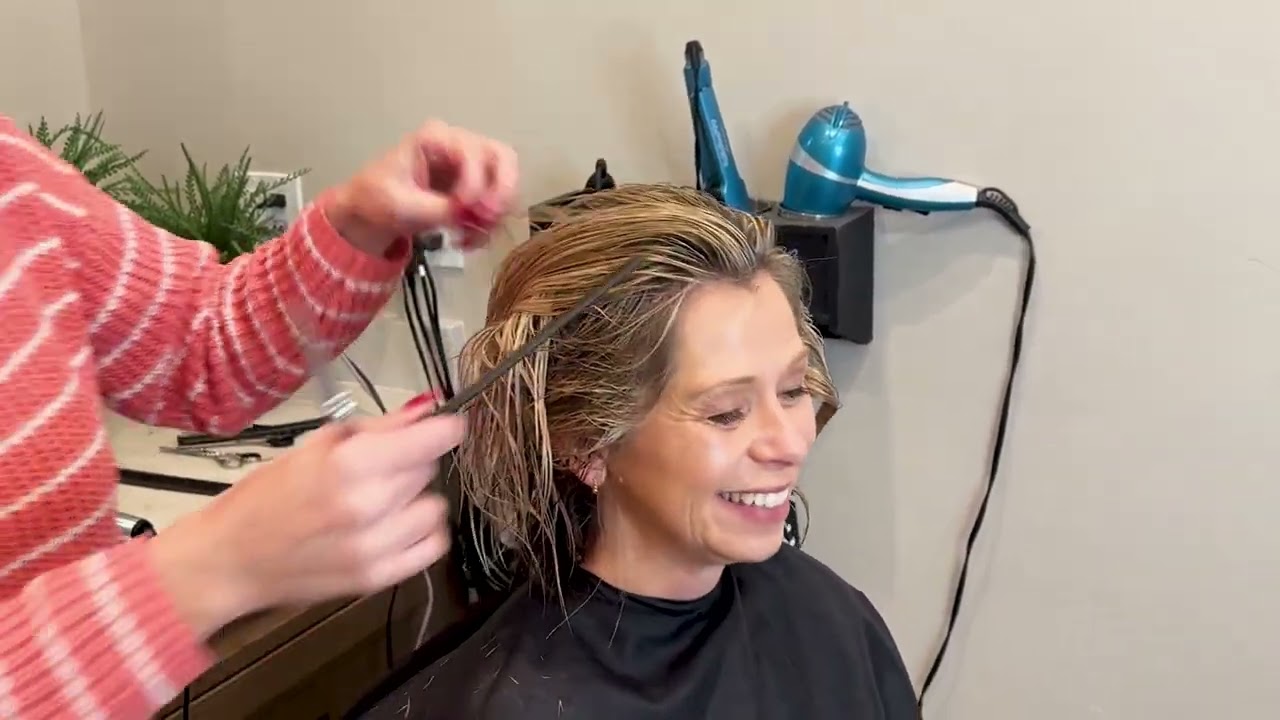
Generally, watching the classic bob technique happen on real hair clarifies what makes the cut work. Specifically, this is Linda — a real RaDona over-50 client receiving a classic bob with subtle bangs that frames her face beautifully.
Linda's classic bob transformation — a real over-50 RaDona client demonstrating the foundation technique behind every variation in this guide.
The variations6 timeless classic bob variations for older ladies
Generally, six classic bob variations cover every taste. The range spans from the purest traditional shape to modernized takes. Every variation still passes the longevity test. Specifically, variations are sequenced from most traditional to most contemporary while staying within the "classic" definition. Notably, every variation links to a real RaDona tutorial.
The Classic Bob with Bangs
The classic bob with bangs is the most universally flattering variation for older ladies. Specifically, soft side-swept or wispy bangs draw attention to the eyes and soften any forehead lines without looking heavy. Generally, this is RaDona's most-requested classic bob — flattering across face shapes and easy to style. Notably, the bangs can be tailored from full and blunt to subtle and wispy depending on personal preference.
The Layered Classic Bob
The layered classic bob adds graduated internal layers that create visible fullness without changing the silhouette. Specifically, this is the right choice when natural hair density has decreased. The layers do the volume work that thicker hair used to handle naturally. Generally, layers stop at the chin to keep the classic bob shape intact while adding the lift fine hair needs. Notably, this variation is also called the "choppy bob" when the layers are cut more aggressively.
The Inverted Classic Bob
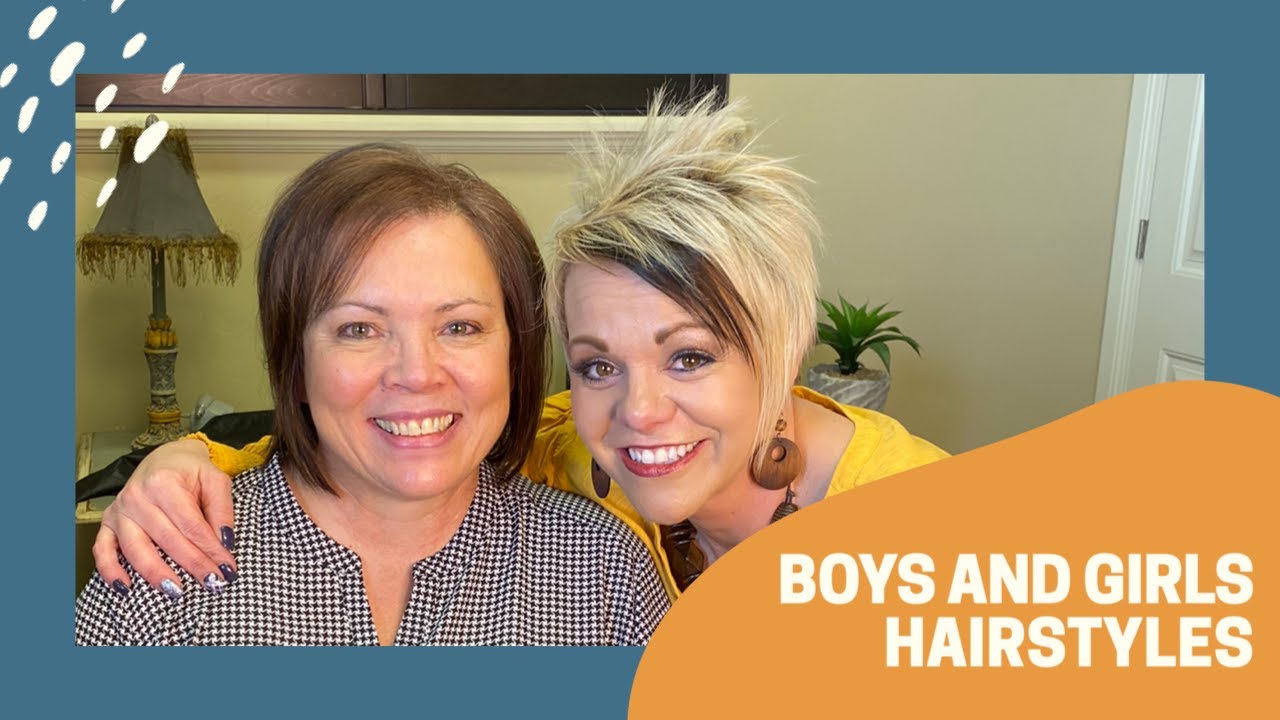
The inverted classic bob keeps the back slightly shorter than the front, creating a subtle A-line silhouette. Specifically, this variation lifts the back of the neck while keeping the front length to frame the face. Generally, this works particularly well for older ladies. The lifted back adds visible volume at the crown. That spot is exactly where mature hair tends to look flat. Notably, the inverted variation also softens a square or strong jawline. The longer front pieces cover the angular corners.

The Blunt Classic Bob
The blunt classic bob is the purest traditional shape — a single length cut at the chin or jaw with no layers or graduation. Specifically, this is the bob shape that originated in the 1920s and never went out of style. Generally, the blunt classic works best for women with naturally thick hair where the dense single-length silhouette reads as deliberate. Notably, fine-haired clients should choose the layered variation (#2) instead because the blunt cut can emphasize thinness.

The Soft Wavy Classic Bob
The soft wavy classic bob takes any of the variations above and adds gentle waves throughout. Specifically, waves can be styled with a 1-inch curling iron or set overnight with foam rollers for a more natural look. Generally, this variation suits women who want a softer, more romantic feel without departing from the classic silhouette. Notably, the waves disguise hair thinning effectively because the bend in each strand creates visual fullness.
The Textured Classic Bob
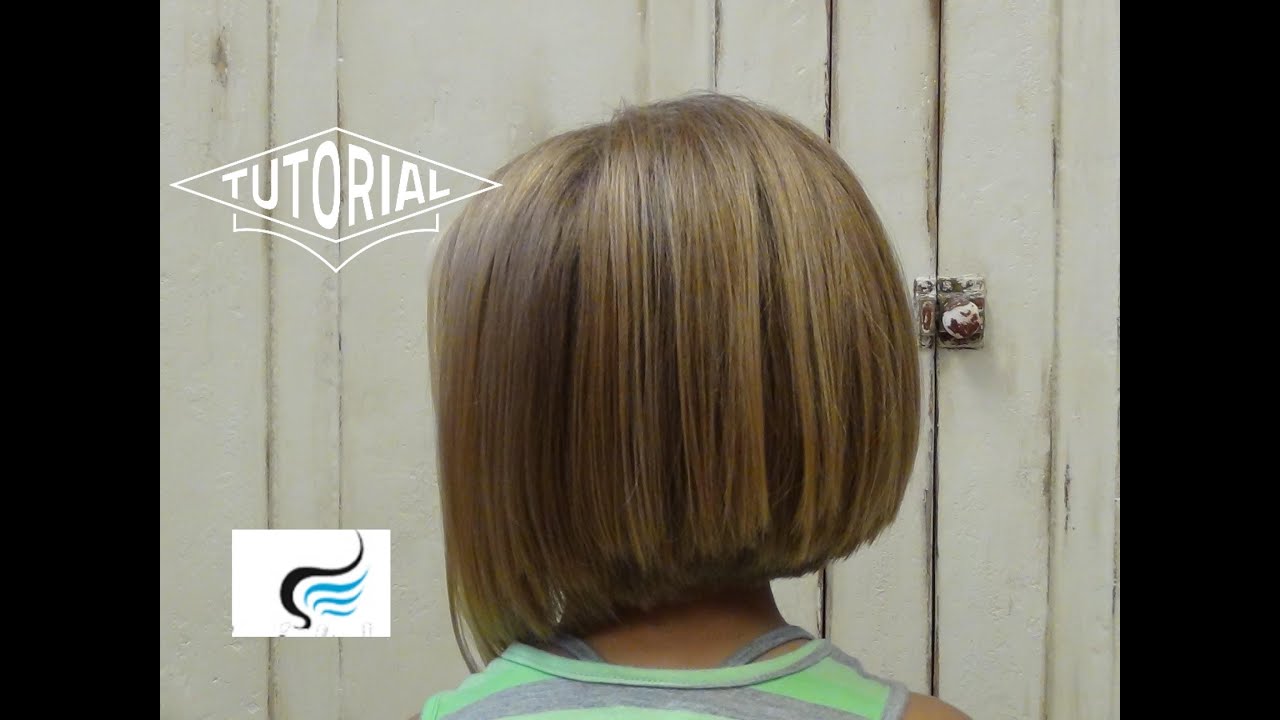
The textured classic bob is the most contemporary variation in this guide. It still passes the "5-year longevity test." Specifically, point-cut ends and razored sections add visible texture. The overall classic bob silhouette stays intact. Generally, this is the variation for older ladies who want a modern feel that still reads as timeless rather than trendy. Notably, the textured finish requires less precision in daily styling — the cut looks polished even when air-dried.
Which classic bob suits your face shape?
Generally, face shape narrows the choice between the 6 variations above. Specifically, the four cards below match the most common face shapes to their best classic bob variation.
Inverted classic (V3)
The inverted shape elongates a round face by adding crown lift. Specifically, choose chin-length or slightly below to maintain the lengthening effect. Avoid blunt single-length shapes that emphasize width.
Bob with bangs (V1)
Soft side-swept bangs soften strong jaw angles. Specifically, the bangs break up the geometric quality square faces can have. The textured classic (V6) also works well by softening edges throughout.
Any variation works
Oval faces flatter every classic bob variation in this guide. Specifically, choose based on hair texture and lifestyle. Thick hair suits the blunt classic. Fine hair benefits from the layered classic. A 5-min routine fits the textured classic. A 10-min routine fits the wavy classic.
Layered or wavy
Layered classic (V2) or soft wavy (V5) work best for heart-shaped faces. Specifically, adding visual weight below the chin balances the wider forehead. Avoid the blunt single-length shape which can emphasize the narrow chin.
Daily classic bob styling for mature hair
Generally, classic bobs need surprisingly little daily styling. The right techniques make all the difference. They turn the result from "limp" to "polished." Specifically, three habits keep a classic bob looking fresh between salon visits. First, apply a root-lifting spray to damp roots before blow-drying. Second, use a round brush to roll hair under as it dries, creating the slight inward curve that defines the classic shape. Third, finish with a light mist of flexible-hold hairspray to set the shape without crunching.
The single most overlooked classic bob tip is the cool-shot finish. Generally, finishing the blow-dry with 30 seconds of cool air does two things at once. The cool air seals the cuticle for shine. It locks the rounded shape in place for hours of hold. Specifically, this step turns "fades by lunchtime" hair into "holds all day" hair. Notably, the technique works on every variation in this guide. Face shape and hair texture do not affect it.
Generally, the difference between an OK classic bob and a great one is whether the client books their next appointment before leaving. Specifically, classic bobs need trimming every 6-8 weeks — beyond that, the shape loses its intentional look. Notably, regular trims are the single most important factor in keeping the cut looking salon-fresh between visits.
5 common classic bob mistakes
Generally, five recurring mistakes turn a beautiful classic bob into a frustrating one. Specifically, each mistake below has a clear fix.
| Mistake | What goes wrong | The fix |
|---|---|---|
| Choosing the blunt cut on fine hair | Single length emphasizes thinness; bob looks limp | Choose the layered classic (V2) or textured classic (V6) instead |
| Skipping the round brush | Bob air-dries flat; shape looks unintentional | Use a round brush during blow-dry to create the rolled-under shape |
| Trimming every 12+ weeks | Shape loses precision; daily styling time doubles | Schedule trims every 6-8 weeks — non-negotiable for bobs |
| Heavy oils and creams | Weighs down mature hair; bob looks greasy | Choose lightweight styling cream or volumizing spray instead |
| Skipping heat protectant | Hot tools damage fragile mature hair; ends fray faster | Heat protectant before every styling session, every time |
The 5 products every classic bob routine needs
Generally, classic bobs need surprisingly few products. Specifically, the five items below are what RaDona stocks for her classic bob clients. Notably, the volumizing shampoo is the single most important purchase for mature hair.
Volumizing shampoo for thinning hair
Plumps individual strands to create the appearance of more density. The foundation product for any classic bob on mature hair.
View on Amazon →Root-lifting spray
Spritzed at damp roots before blow-drying, root-lifting spray creates the crown volume that defines the classic bob shape. Non-negotiable for fine hair.
View on Amazon →2-inch round brush
A medium round brush creates the inward roll that defines the classic bob silhouette. The right brush size makes blow-drying twice as fast.
View on Amazon →Heat protectant spray
A spritz before every blow-dry or curling iron protects fragile mature hair from breakage. Extends the life of every classic bob between cuts.
View on Amazon →Flexible-hold hairspray
A light mist holds the bob shape without crunching. Stiff hairsprays look obvious on shorter cuts — flexible hold keeps the classic feel natural.
View on Amazon →Sources & Methodology
Generally, every classic bob variation in this guide comes from RaDona's real salon work. Specifically:
- RaDona's salon experience — 25 years cutting classic bobs on older ladies in Utah.
- YouTube channel — 800+ tutorials, 180K+ subscribers, featuring real classic bob client work including Linda's transformation.
- Real client outcomes — classic bob cuts performed on hundreds of older ladies with documented long-term results.
- Bon Losee Academy training — formal cosmetology training including classic cutting technique specialty.
- Video documentation — every variation card links to a RaDona YouTube tutorial showing the cut on a real client.
- Long-term follow-up — outcomes assessed at 6 weeks, 12 weeks, and 6 months to verify the cut still looks intentional.
- Longevity testing — variations selected only after passing the "5-year rule" — would the cut still look intentional 5 years from now?
- Product testing — 90-day testing on real classic bob clients for each recommended product.
Methodology note: Classic bobs work because the shape itself solves multiple problems at once — visible structure, jawline framing, daily styling efficiency. Generally, the right classic bob for you depends on your face shape and hair texture more than on current trends. The variations in this guide deliberately avoid trendy details that fail the longevity test — every one of them works equally well in 2026 and 2030.
Published: Original February 2026 · Last updated: May 2026 · Next scheduled review: November 2026.
Classic bobs for older ladies — eight questions asked most
Generally, the classic bob with bangs (Variation 1) is the most universally flattering choice for older ladies. Specifically, soft side-swept or wispy bangs draw attention to the eyes and soften forehead lines without looking heavy. Notably, the layered classic bob (Variation 2) is the best alternative for women with fine or thinning hair, because the layers create volume that the blunt classic cannot. The 6 variations in this guide each link to a real RaDona tutorial showing the cut on a real over-50 client.
Generally, the classic bob keeps a chin-length silhouette with rolled-under shape, while modern bobs often feature dramatic asymmetry, undercuts, or extreme color treatments. Specifically, the test of whether a bob is truly classic is the "5-year longevity rule" — would the cut still look intentional 5 years from now? Notably, the variations in this guide all pass this test. Modern variations often fail it within 1-2 years as trends shift.
Generally, classic bobs need trimming every 6-8 weeks to maintain shape. Specifically, the cut starts losing its intentional look around the 8-week mark — layers lose definition, and styling required to compensate increases. Notably, the blunt classic (Variation 4) shows growth fastest because the single length becomes uneven within 4 weeks. The textured variation (Variation 6) is the most forgiving — it can stretch to 10 weeks between trims and still look intentional.
Generally, yes — but only certain variations. Specifically, the layered classic (Variation 2) and textured classic (Variation 6) are designed to work on thinning hair through internal layering and point-cut ends that create visible volume. Notably, the blunt classic (Variation 4) should be avoided on thinning hair because the single length emphasizes thinness rather than minimizing it. The products section above includes a volumizing shampoo specifically formulated for thinning hair.
Generally, the textured classic bob (Variation 6) is the easiest to maintain because the point-cut ends look polished even when air-dried. Specifically, the daily routine takes 3 minutes — apply leave-in conditioner, scrunch lightly, and let air-dry. Notably, the textured classic also stretches longest between trims (up to 10 weeks) because the textured ends disguise growth better than blunt cuts.
Generally, bangs work beautifully on classic bobs for most face shapes. Specifically, soft side-swept bangs flatter round, square, and oval faces; wispy curtain bangs work for heart-shaped faces; and blunt bangs suit oval faces with high foreheads. Notably, bangs should be tailored to your forehead height — taller foreheads accommodate fuller bangs, shorter foreheads work better with wispy variations. The classic bob with bangs (Variation 1) is the most-requested variation for a reason.
Generally, classic bobs work exceptionally well with gray or silver hair. Specifically, the structured shape gives silver tones a deliberate, intentional feel — silver hair plus a classic bob reads as elegant rather than "letting yourself go." Notably, women embracing natural silver should pair their classic bob with purple toning shampoo to neutralize brassy yellow tones. The hair color skin tone guide covers silver-friendly variations in detail.
Generally, the classic bob earned its timeless reputation because the shape itself flatters faces regardless of decade. Specifically, the chin-length silhouette frames features, the rolled-under shape adds visible structure, and the proportions work with virtually every face shape. Notably, the bob was the first major women's haircut to challenge long-hair conventions in the 1920s — and a hundred years later, it still passes the "5-year rule" while many shorter-lived trends have come and gone.
Embrace Your Classic Bob: Timeless & Flattering Styles for Older Women
Shop classic bob essentials on Amazon
Every product recommended in this guide is curated on RaDona's Amazon storefront. Subscribe to her YouTube channel for new bob tutorials weekly.