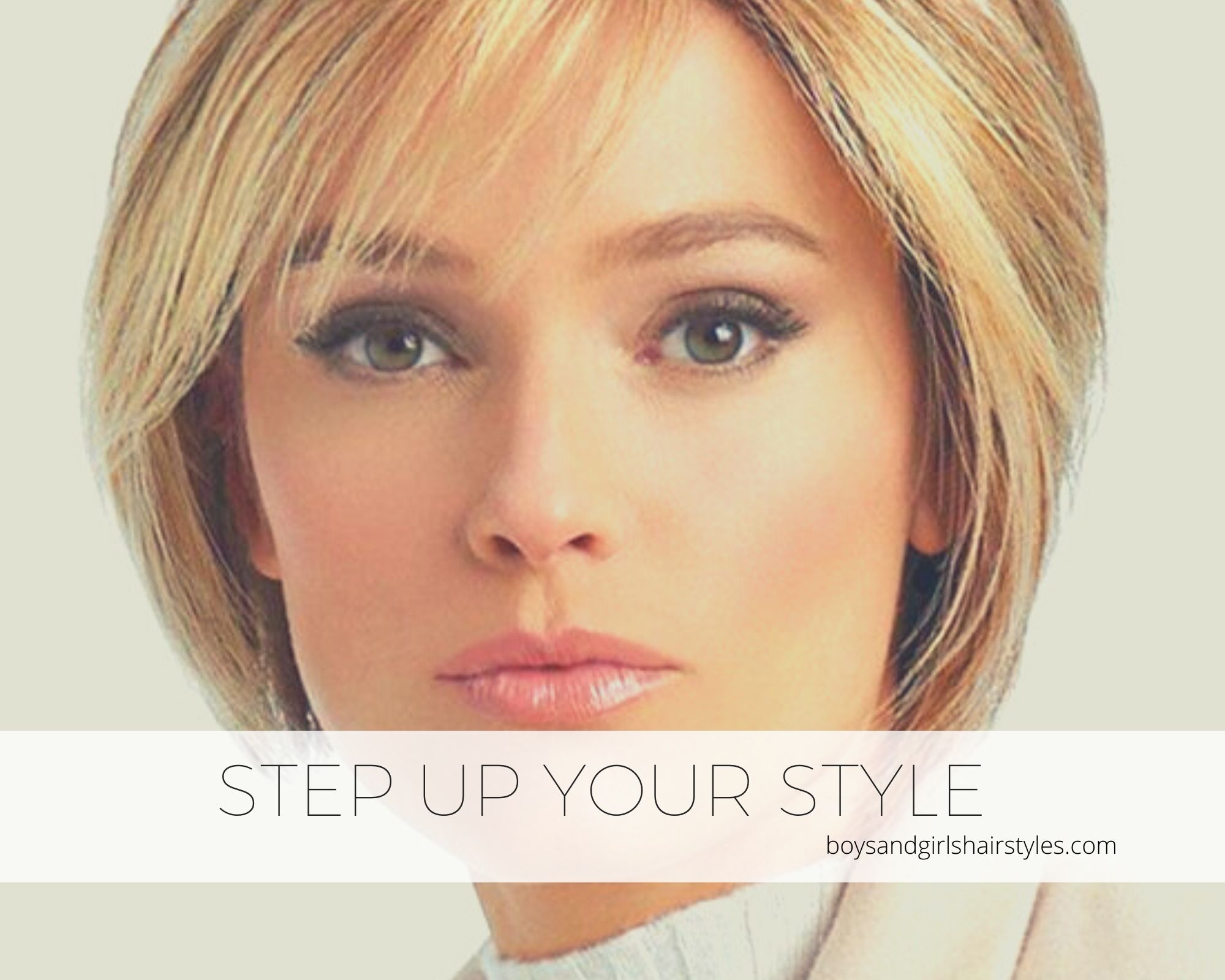
The A-Line Stacked Haircut: How It's Cut, Why It Works, and Who It Suits
Generally, the stacked A-line haircut confuses people because the name combines two distinct cutting concepts. Specifically, "A-line" refers to the diagonal silhouette — the front sits longer than the back. "Stacked" refers to the graduated layers in the back that create lift and volume. Notably, this guide explains the cutting technique, the 6 variations, and the geometry. It also shows how to know if a stacked A-line is right for your hair texture and face shape.
Variations
Salon Cut Time
Has Cut This Style
Cycle
What IS a stacked A-line haircut?
Generally, the stacked A-line haircut combines two specific cutting principles into one cohesive shape. Specifically, "A-line" describes the diagonal silhouette where the front of the hair sits longer than the back. When viewed from the side, the cut traces the letter A. "Stacked" describes the graduated layers built into the back that create lift and visible volume at the crown. Notably, neither term alone describes the full haircut. Only together do they explain the distinctive shape that has dominated bob hairstyles for nearly a decade.
The geometry matters. A pure bob has a horizontal cutting line — all hair the same length around the head. A standard A-line bob adds the diagonal — longer in front, shorter in back, with no graduation. The stacked A-line adds the third dimension. Graduated layers in the back build height and create the "stacked" visual effect when viewed from behind. This third element is what distinguishes the cut from every other bob variation.
Generally, "stacked" and "graduated" describe the same cutting technique. Specifically, both terms mean each layer of hair sits slightly shorter than the layer below. This creates a visible stair-step effect when the cut is viewed from behind. Notably, stylists often use "graduated" in technical training and "stacked" with clients — the words are interchangeable.
How the stacked A-line is cut
Generally, the stacked A-line takes about 45 minutes in a salon. That is significantly longer than a standard bob because two cutting techniques happen in sequence. Specifically, the diagonal A-line cut establishes the silhouette first; then the graduated stacking happens at the back. Notably, the order matters — stacking before establishing the A-line creates an unbalanced result.
The A-line silhouette is cut first
The stylist establishes the diagonal line by cutting the front of the hair longer than the back. Specifically, the front length sits at or just below the chin. The back length sits at the nape of the neck or shorter. Generally, the angle of the diagonal determines whether the A-line reads as subtle or dramatic.
The back is divided into horizontal sections
The back of the hair gets divided into 3-5 horizontal sections from the crown to the nape. Specifically, each section will be cut slightly shorter than the section below it to create the stacked effect. Generally, more sections produce a more dramatic stack; fewer sections produce a subtler effect.
Each section is elevated and over-directed
Working from the bottom section up, the stylist lifts each section away from the head at a specific angle. The elevation usually sits between 45 and 90 degrees. Each section then gets cut slightly shorter than the one below. Specifically, this elevation angle determines how visible the stacking becomes. Notably, higher elevation creates more dramatic graduation.
The transitions are softened
After the initial stacking, the stylist softens the transitions between layers using point-cutting or a razor. Specifically, this prevents the stack from looking choppy or shelf-like. Generally, this softening step is what distinguishes a professional stacked cut from a beginner attempt.
The cut is dried and inspected
The stylist dries the hair completely, then checks the cut from the front, sides, and back. Specifically, the diagonal A-line should be visible from the front. The graduated stacking should be visible from behind. Generally, small touch-ups happen at this stage before final styling.
Generally, the most common mistake stylists make on stacked A-lines is over-stacking the back. Specifically, more stacking does not equal a better cut. Over-stacking can produce a "mushroom" silhouette that bulks at the crown unflatteringly. Notably, the right amount of stacking creates visible lift without producing exaggerated height. Three graduated sections usually produces the right balance.
See the stacked A-line cut in action
Generally, watching the cut happen on a real client clarifies the technique. Specifically, this is RaDona's stacked bob tutorial from her Utah salon — DeeAnn's choppy stacked bob cut with the same fundamental techniques described above.
RaDona's stacked bob tutorial — the foundational technique behind every stacked A-line variation.
The variations6 stacked A-line haircut variations
Generally, the stacked A-line haircut has six distinct variations depending on three factors: the angle of the A-line diagonal, the steepness of the back graduation, and the front length. Specifically, the variations below are sequenced from the most subtle to the most dramatic. Notably, the right variation depends on hair texture and face shape — not personal style preference alone.
The Soft-Angle Stacked A-Line
The soft-angle stacked A-line uses a gentle diagonal where the front sits only slightly longer than the back — usually 1-2 inches of difference. Generally, the back graduation is also subtle: only 2-3 visible sections rather than 4-5. Specifically, this variation reads as polished rather than dramatic. Notably, this is the right starting point for anyone trying a stacked A-line for the first time.
The Classic Stacked A-Line
The classic stacked A-line is the version most often pictured when someone says "stacked A-line haircut." Specifically, the diagonal sits at 2-3 inches longer in front than back. The back graduation uses 3-4 visible sections. Generally, this is the variation that delivers the strongest visual identity — clearly recognizable as a stacked A-line without crossing into dramatic territory.
The Steep-Angle Stacked A-Line
The steep-angle stacked A-line takes the diagonal to its dramatic extreme. Specifically, the front sits 4-5 inches longer than the back. The back graduation uses 4-5 distinct sections that produce visible lift at the crown. Generally, this variation is for women who want their haircut to make an unmistakable statement. Notably, the steep angle requires committed daily styling. The cut only reads correctly when blow-dried with the diagonal line emphasized.
The Long Stacked A-Line
The long stacked A-line keeps the front length past the collarbone, sometimes touching the chest. The diagonal angle and back graduation stay intact. Generally, this variation reads as more conservative than shorter stacked A-lines because the front length feels familiar. Specifically, the cut works perfectly for women who want the stacked A-line shape without committing to short hair. Notably, this is the only variation currently ranking at position 3 in Google for "long stacked haircut." That signals established authority on this length.
The Stacked A-Line with Bangs
Adding bangs to the stacked A-line transforms the cut significantly. Specifically, the front fringe creates additional face framing that the diagonal alone cannot deliver. Generally, the right bang style depends on face shape. Full straight bangs suit heart and long faces. Wispy or curtain bangs suit round and oval faces. Notably, bangs increase the trim cycle from 6-8 weeks to 4-5 weeks. Fringe grows into the eyes faster than the rest of the cut.
The Textured Stacked A-Line
The textured stacked A-line uses razor cutting at the ends to create visible piece-y texture rather than blunt edges. Specifically, the razor technique breaks up the silhouette. The cut reads as modern and lived-in rather than overly polished. Generally, this variation works particularly well for fine hair because the razored ends create the appearance of more density. Notably, this is the right choice for women who want the stacked A-line shape without a formal look. The blunt cut produces a formality this avoids.
Stacked A-line vs other bob variations
Generally, the stacked A-line gets confused with three closely related haircuts. Specifically, the table below clarifies the differences so you can know exactly what to ask for at the salon. Notably, asking for the wrong cut by name produces predictable disappointment.
| Haircut | Front length | Back length | Back graduation | Visual identity |
|---|---|---|---|---|
| Stacked A-line | Longer (chin to collar) | Shorter (nape) | Yes, 3-5 sections | Diagonal + lift at crown |
| Standard A-line | Longer (chin to collar) | Shorter (nape) | No graduation | Diagonal only, flat back |
| Classic bob | Same as back | Same as front | No graduation | Horizontal line, no diagonal |
| Inverted bob | Slightly longer in front | Curves up at nape | Sometimes stacked | Curved silhouette |
| Layered bob | Same as back | Same as front | Layers throughout | Soft layers, no diagonal |
5 common stacked A-line haircut mistakes
Generally, five recurring mistakes turn a great stacked A-line into a frustrating one. Specifically, four of the five mistakes happen in the salon chair, and the fifth happens at home with styling. Notably, every mistake below has a simple fix that doesn't require recutting.
| Mistake | What goes wrong | The fix |
|---|---|---|
| Over-stacking the back | Produces a "mushroom" silhouette that bulks at the crown | Three graduated sections delivers the right balance |
| Skipping the softening step | Stacked layers look choppy or shelf-like | Point-cutting or razor work softens transitions |
| Wrong A-line angle for face shape | The diagonal exaggerates wrong features | Match the angle to face shape per the FAQ above |
| Trimming the front every visit | The diagonal disappears over time | Maintenance trims should focus on the back, not the front |
| Air-drying without round-brushing | The back goes flat and loses its stacked lift | Round-brush the back during every blow-dry |
Generally, the way you describe a stacked A-line at the salon affects the outcome. Specifically, bring a reference photo and use the language from this guide. Saying "I want a classic stacked A-line with 3 graduated sections in the back and 2-3 inches of diagonal" sounds technical, but it tells your stylist exactly what to cut.
The 4 tools that make stacked A-lines work
Generally, the stacked A-line needs more specific products than a plain bob. Specifically, the four items below are what RaDona keeps stocked for stacked A-line clients. Notably, the round brush is the most important — the stacked back only reads correctly with the right brush technique.
2-inch round ceramic brush
A 2-inch round brush works the back graduation to lift away from the head and create visible volume. Smaller brushes produce too much curl; larger brushes flatten the stack.
View on Amazon →Lightweight volumizing mousse
A golf-ball-sized amount applied to damp roots in the back amplifies the stacked lift. Heavy mousses flatten mature hair — choose lightweight formulas.
View on Amazon →Professional hair-cutting shears
For between-trim touch-ups on the longer front sections. Professional shears cut cleanly without crushing hair — essential for the diagonal line.
View on Amazon →Ionic blow dryer with nozzle
The nozzle attachment directs airflow precisely along the diagonal line. Generic blow dryers without the nozzle produce inconsistent stacked-bob results.
View on Amazon →Sources & Methodology
Generally, every recommendation in this guide comes from real salon experience. Specifically:
- RaDona's salon experience — 25 years cutting stacked A-line bobs in Utah.
- YouTube channel — 800+ tutorials, 180K+ subscribers, with multiple stacked bob videos.
- Real client outcomes — stacked A-line cuts performed on hundreds of clients across face shapes and textures.
- Bon Losee Academy training — formal cosmetology training in graduated cutting techniques.
- Long-term follow-up — outcomes assessed at 6 weeks, 12 weeks, and 6 months.
- Sister-page coordination — this page covers the haircut and cutting technique; the styling-focused guide lives at elevate-your-look-with-a-line-bob.
- Cutting time tracking — average salon time recorded across multiple clients per variation.
- Product testing — 90-day testing for each recommended product on real stacked A-line clients.
Methodology note: This page focuses on what the stacked A-line IS — the geometry, the cutting technique, and the variations. The companion sister guide covers how to STYLE and WEAR the cut day-to-day. Both pages work together as a complete resource for stacked A-line clients and stylists alike.
Published: Original 2023 · Last updated: May 2026 · Next scheduled review: November 2026.
Stacked A-line haircuts — eight questions clients ask most
Generally, a stacked A-line haircut combines two cutting principles into one shape. Specifically, "A-line" describes the diagonal where the front sits longer than the back, and "stacked" describes the graduated layers in the back that create lift at the crown. Notably, neither term alone describes the cut — only together do they explain the distinctive shape. The 6 variations covered in this guide show how the angle and graduation can vary while preserving the core identity.
Generally, a regular A-line has the diagonal silhouette but no graduation in the back. Specifically, the back stays one length — flat against the head — while only the diagonal length differs front-to-back. The stacked A-line adds graduated layers that lift away from the head, creating visible volume at the crown. Notably, this third dimension (the stacking) is what produces the distinctive shape that has dominated bob hairstyles for nearly a decade.
Generally, the stacked A-line is cut in two phases over about 45 minutes. Specifically, the stylist establishes the diagonal A-line silhouette first by cutting the front longer than the back. Then the back gets divided into 3-5 horizontal sections, each lifted at 45-90 degrees and cut slightly shorter than the section below it. Notably, the elevation angle determines how dramatic the stacking becomes. The full step-by-step technique is covered in the cutting-technique section above.
Generally, the stacked A-line flatters most face shapes — but specific variations work better than others depending on features. Specifically, oval faces can wear any variation. Round faces benefit from steeper A-line angles that elongate. Heart faces look best with the bangs variation. Square faces soften with the textured or steep-angle versions. Notably, hair texture matters as much as face shape. Fine hair benefits from the textured variation. Medium to thick hair handles the steep-angle versions best.
Generally, the "long stacked" version of the stacked A-line keeps the front length past the collarbone — sometimes touching the chest. Specifically, this contrasts with the standard stacked A-line where the front sits at or just below the chin. Notably, the back length on a long stacked haircut still gets graduated and stacked even though the overall cut is longer — preserving the visual identity. Variation 4 in this guide covers the long stacked A-line in detail.
Generally, the stacked A-line needs trimming every 6-8 weeks. Specifically, the back graduation grows out faster than the longer front because there's less length to absorb the growth. Notably, skipping trims causes the back to lose its stacked lift and the cut to lose its distinctive shape. The variation with bangs needs more frequent trims — every 4-5 weeks — because bangs grow into the eyes faster than the rest of the cut.
Generally, yes, with adjustments. Specifically, curly hair shrinks when dry, so the cut needs to start longer than the target length to account for spring-back. Notably, the textured variation works best for curly hair because the razor cutting and natural curl pattern combine to create movement. The back stacking still happens but uses fewer sections (2-3 rather than 4-5) because curl naturally adds volume that additional layers would over-emphasize.
Generally, the stacked A-line has moved from "trendy" into "established modern classic" territory. Specifically, the cut has been a salon staple since the early 2010s, and the variations continue evolving rather than fading. Notably, the textured variation is the most ascendant in 2026 because the lived-in aesthetic suits modern style preferences. The classic version remains the most-requested overall because of its reliability across face shapes and hair textures.
Keep reading
Shop the stacked A-line tool kit on Amazon
Every tool recommended in this guide is curated on RaDona's Amazon storefront. Affiliate purchases help keep this site free.