Piecey Short Layers
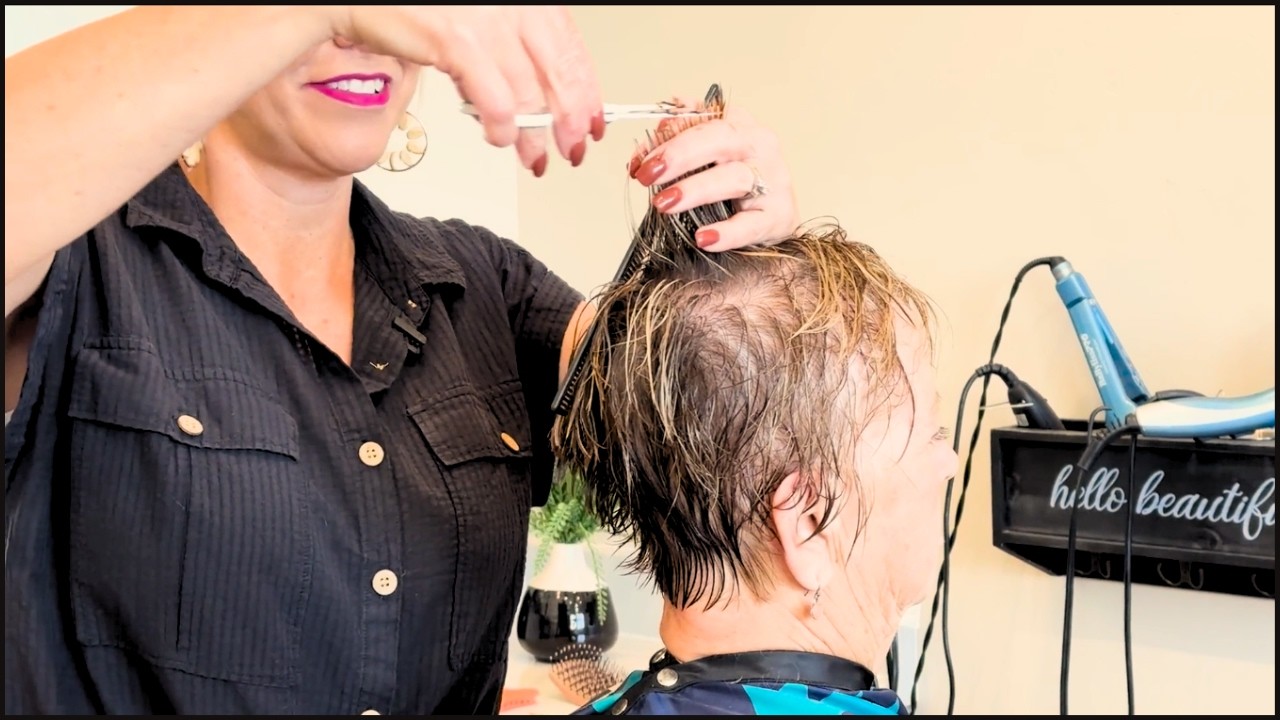
Soft separation through the top creates movement and visible fullness while keeping the styling routine approachable.
Hair after 70 may be finer, softer, grayer or simply different than it was a decade ago. The answer is not one standard “senior haircut.” Compare 14 flattering pixies, stacked cuts, bobs and layered styles — all grounded in real women who have sat in RaDona Ludlow's salon chair.
That question is far more useful than picking a haircut simply because someone labeled it “for women over 70.”
Soft separation through the top creates movement and visible fullness while keeping the styling routine approachable.
Gentle graduation through the back builds shape while keeping the front soft and flattering.
Removing unsupported length helps the crown lift while a softer top keeps the haircut feminine and wearable.
Refined layering creates volume and shape without forcing the hair into a highly textured or spiky finish.
Stronger texture through the top makes the classic pixie feel fresh without creating a difficult styling routine.
When longer ends become difficult to style or visually thin, moving shorter can reset the entire silhouette.
Instead of fourteen versions of essentially the same haircut, compare groups that create meaningfully different silhouettes.
Pauline's transformation is a useful example if you have worn longer hair for years. Longer front pieces and soft texture can preserve femininity even when the back becomes dramatically shorter.
Watch Pauline
Fine hair describes strand diameter. Thinning describes how much hair is present overall. Either can make unsupported length look flatter or more transparent.
A haircut cannot create new hair, but it can prevent sparse ends from weakening the silhouette and place visual weight where the hair still has strength.
Gray is a color direction, not one particular haircut. It can look beautiful with a pixie, stacked short shape, layered crop or bob.
What matters is pairing the color with enough shape to make the result look intentional and current.
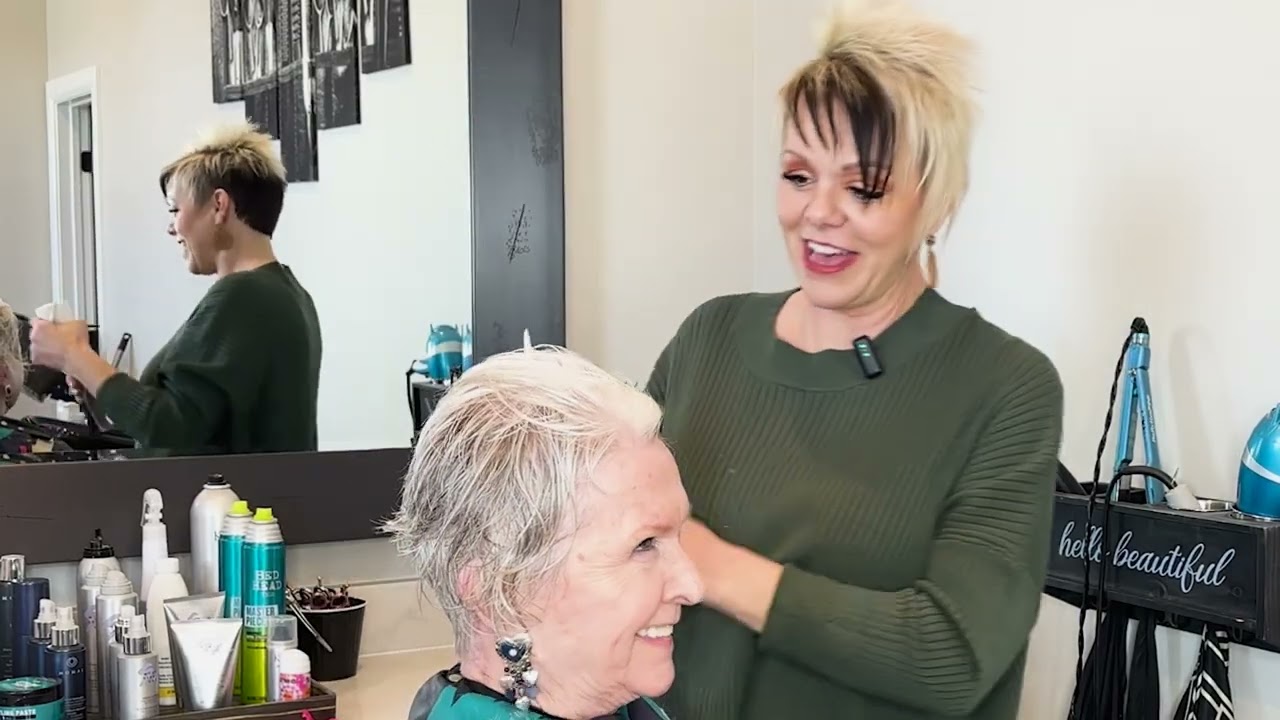
This is what makes the BGH library different. You can see how these styles behave on real mature hair instead of judging one polished inspiration photograph.
▶
Piecey layers give Sharon movement and visible fullness while keeping everyday styling simple.
Watch Sharon
▶
A strong all-around example of creating back fullness while preserving a soft front.
Watch Linda
▶
Especially useful when crown lift and visible density matter more than preserving extra length.
Watch Faye
▶
A gentler option for women who want a polished silhouette rather than a piecey finish.
Watch Colleen
▶
Short and easy with enough texture to keep the finished result energetic and current.
Watch Marsha
▶
A valuable watch if you have kept your hair long for years and are considering a major change.
Watch the transformationGlasses, cowlicks, natural texture, fragile hair and styling time all influence the best version of a short haircut.
Shorter sides prevent hair from bunching around the arms of your frames.
Hair & glassesShorter crown layers can create more useful lift than several layers of heavy product.
Pixie guideChoose a silhouette that still looks intentional after a simple blow dry or air dry.
Compare the cutsShort hair should be shaped around natural direction rather than fighting it every morning.
Salon consultationA haircut that dries attractively with minimal effort reduces repeated heat exposure.
Heat protectionAsk how the neckline, ears and crown will look as the haircut grows.
What to askFringe, front length, crown height and side volume can usually adapt the haircut family you already like.
Most short silhouettes work. Let density and texture lead.
Crown lift and diagonal fringe can create more vertical balance.
Soft fringe and blended layers can soften a stronger jawline.
Softness near the forehead and jaw can create better balance.
Use fringe and side fullness rather than excessive crown height.
Soft front pieces can complement prominent cheekbones beautifully.
Compare length, fullness and maintenance before deciding.
| Cut | Length | Main Strength | Good Starting Point For | Routine |
|---|---|---|---|---|
| Soft Pixie | Very short | Lift + simplicity | Fine hair, glasses | Very fast |
| Textured Pixie | Very short | Movement | Flat crown, modern finish | Fast |
| Soft Stacked Short | Short | Back fullness | Fine or flatter hair | Fast |
| Short Layered Bob | Jaw / chin | More softness | Keeping extra front length | Moderate |
| Soft A-Line | Jaw / chin | Face framing | Longer front preference | Moderate |
Showing your stylist a real transformation communicates much more than a generic haircut name.
Decide whether you want the back soft, tapered, close or slightly longer.
Point out areas that feel particularly fine, flat or sparse.
Let your stylist see exactly how your everyday frames fit.
Explain whether you want two minutes of styling or enjoy doing more.
This parent hub helps you choose the haircut family. The child pages answer the detailed styling and salon questions.
Age provides context. Density, texture, lifestyle and personal preference should make the final decision.
There is no single best haircut. Soft pixies, stacked short cuts and layered bobs are useful starting points because they create shape without requiring a complicated routine.
Shorter structured cuts often work well because they remove unsupported length and can make existing hair appear fuller. Soft pixies and stacked short cuts are particularly useful starting points.
Short and mid-short haircuts can be convenient and flattering, but there is no age rule requiring them. Choose the length your hair can support and that you enjoy maintaining.
Natural silver can work beautifully with pixies, stacked short cuts and layered bobs. The important part is pairing the color with a deliberate, current shape.
Pixies and short layered cuts can work especially well because the temple and ear area can be kept clear. Longer front pieces can also work when shaped around the frames.
This Women Over 70 parent helps you choose the direction. The dedicated Pixie Over 70 guide goes deeper into specific variations, fine hair, face shape and exactly what to ask your stylist for.