
 ▶
Featured · Women 50+
Long Layers for Women Above 50
Start here. This is RaDona's newest exact-match transformation for keeping length while adding a more deliberate layered shape.
Watch on YouTubeYou do not have to cut your hair short after 50 to make it feel fresh. Long layers can remove heaviness, create movement around the face and give the overall shape more intention while preserving the length you still love.
Yes — especially when you still like your length but the shape feels heavy, flat or disconnected around the face. The most flattering approach is usually fewer, longer layers with deliberate face framing rather than short layers everywhere.
Where those layers begin matters more than age. Fine hair usually needs a stronger perimeter and fewer layers, while thick or dense hair can often support more movement through the interior.
Long layering is easier to understand in motion. These videos show how face framing, shoulder-length movement and internal layers change the silhouette without automatically turning the haircut into a bob.
▶
Start here. This is RaDona's newest exact-match transformation for keeping length while adding a more deliberate layered shape.
Watch on YouTube ▶
Useful if you want substantial movement but are considering whether your ideal finished length belongs closer to the shoulders.
Watch on YouTube ▶
See how longer fringe and front layers can change the face area without removing much length from the back.
Watch on YouTubeLong layers are not one haircut. The main decision is the location of the shortest layer and how much weight you want to preserve through the perimeter.
Long, blended layers create movement without making the haircut feel obviously tiered or taking away too much perimeter.
Keep the back length relatively intact and make most of the visible change around the cheeks, jaw and front hairline.
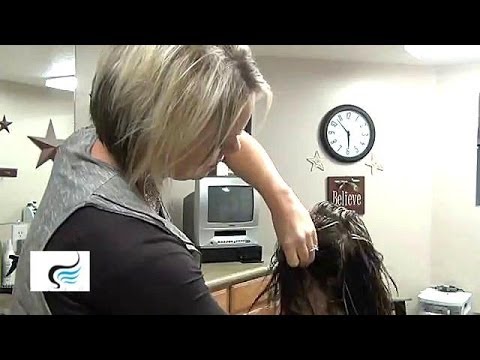
Layers are distributed throughout the haircut instead of being concentrated only at the front.
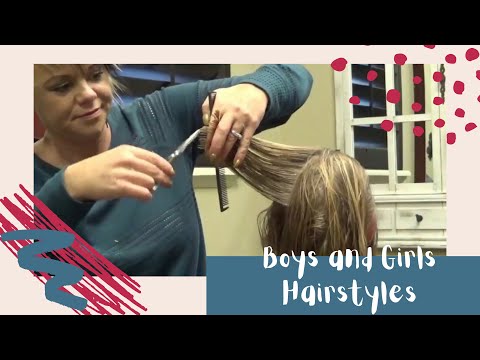
Keep enough length to feel long while placing the lower layers near the collarbone for more visible bounce.

Moving the perimeter toward the shoulders can make the layers feel more active and easier to round-brush.

This is a useful middle ground when very long hair feels heavy but a short haircut is not appealing.

Preserve softness and styling flexibility while letting the perimeter sit higher than traditional long hair.

Sometimes the right answer is not more layers. A trim plus selective face framing can restore movement while protecting density.
Fine describes the diameter of the strand; thinning describes density. In either case, too many short layers can make the ends look less substantial.
If you want to keep long hair after 50, protect the perimeter first. Add the shortest pieces around the face where they create visible movement, then keep the back layers longer and more limited.
Decide whether your priority is face framing, volume or removing heaviness. That decision should control the layer placement.
Make the most visible change around the face while protecting the back length.
Add separation through the mid-lengths without cutting short crown layers.
Fine hair often looks fuller when the perimeter stays substantial and the layer count stays low.
These shapes can use similar layering techniques. The difference is where the perimeter finishes and how much total weight remains.
Choose this when the priority is preserving length while creating more movement and face framing.
Choose this when you want more bounce and less weight but still want hair that feels medium-to-long.
Choose a lob when you want a clearer bob outline and are ready to give up more overall length.
If the long-layer video feels close but not exact, these neighboring cuts help you judge how much length you are actually ready to remove.
▶
Watch a more traditional long-layer technique and compare how the layers travel through the full length.
Watch transformation
▶
Useful if your real goal is more movement and you are willing to bring the perimeter up to the shoulders.
Watch transformation ▶
Compare the stronger shoulder-length perimeter if you are considering a more decisive cut.
Watch transformation“Long layers” can mean very different things. Bring the real-client video you like and be specific about the shortest piece and how much perimeter you want to preserve.
The haircut should still look intentional when styled simply. Use your tools to reveal the layer movement rather than trying to manufacture a shape the cut does not already have.
Direct the roots for lift before spending time on the ends.
Round-brush the front away from or toward the face depending on the finish you want.
A large round brush or large-barrel iron can make the separation visible without tight curls.
Long hair shows wear first at the perimeter, so trim damaged ends before adding more layers.
| Layer approach | Best for | Styling effort | Typical shape-maintenance window |
|---|---|---|---|
| Minimal long layers | Fine hair / maximum density | Low | About 10–12 weeks |
| Face-framing long layers | Softening the front without losing length | Low to moderate | About 8–12 weeks |
| Full long layers | Medium-to-thick hair / more movement | Moderate | About 8–10 weeks |
| Shoulder-length layers | More bounce / less overall weight | Moderate | About 6–10 weeks |
This page is the long-layer companion inside the Women Over 50 cluster. Move up to the parent when you want more haircut families, or sideways when you are deciding whether to keep or remove more length.
Go broader if you are still deciding between long, medium and short shapes.
Use these if you are deciding whether long layers are enough of a change.
Hair density and face framing may be more important than the haircut name.
The written guide helps you compare length, density, face framing and maintenance. RaDona's transformation shows how the sectioning and cutting create the finished movement on a real client.
RaDona is a licensed cosmetologist and salon owner in Nephi, Utah who has worked behind the chair since 2000. Her advice is grounded in real client consultations, haircutting and styling rather than a stock-photo trend list.
For long layers, the salon decision is especially practical: how much length should remain, how high the shortest layer can safely begin, whether the density can support more layering, and how the client actually styles the hair at home.
Save the example you like and decide two things before the consultation: the shortest you are willing to go overall and where you want the shortest face-framing layer to begin.
Use these as practical starting points, then adapt the final cut to your density, texture, part, face framing and styling routine.
Yes. Long layers can keep the length you enjoy while adding movement, face framing and a more intentional shape. The best placement depends on density, texture and how much styling you want to do.
A safe starting point is often around the cheekbones, jaw or collarbone rather than very high at the crown. Higher layers create more movement but can remove too much weight from fine hair.
They can, but fine hair usually needs fewer and longer layers. Keeping a substantial perimeter helps the ends look fuller while selective face framing and crown movement prevent the cut from feeling flat.
Yes. Face-framing pieces can soften the outline and add movement without committing to short all-over layers. Their starting point should be chosen around your features, part and styling habits.
Long layers preserve noticeably more overall length, while a layered lob usually finishes near the shoulders or collarbone. Both can use face framing and internal movement, but the perimeter sits in a different place.
Many long layered cuts can go roughly 8 to 12 weeks between shape-maintenance trims, depending on the condition of the ends, the amount of face framing and how quickly the layers lose definition.
They can if too much weight is removed. On fine or lower-density hair, use fewer layers, keep the perimeter strong and avoid aggressive thinning through the ends.
Bring a real example you like and describe how much length you want to keep, where you want the shortest face-framing piece to begin, and whether you want subtle movement or obvious layering.
Start by deciding where you want movement and face framing. Then watch RaDona's real transformation, compare the shoulder-length alternatives, and take the exact example to your stylist.