
Natural Hairstyles: Complete Guide to 4C, 4B, 4A,

Ultimate Guide to Natural Hairstyles for 4A, 4B & 4C Curls
Natural hairstyles are a beautiful expression of individuality, particularly for those with 4C, 4B, and 4A curl patterns. Understanding your specific curl type is essential for effective hair care and styling. This guide will delve into the characteristics of various curl patterns, the best protective hairstyles, and essential hair care tips to maintain healthy natural hair. Many individuals struggle with finding the right products and techniques for their unique hair textures, leading to frustration and damage. By exploring the nuances of curl patterns and effective care strategies, you can achieve vibrant, healthy hair. We will cover how to identify your curl pattern, the best protective styles for 4B and 4C hair, and essential tips for maintaining healthy hair.
Understanding the unique needs of diverse hair types, especially within the Black community, is a topic that even medical professionals emphasize.
Dermatologist Hair Care Recommendations for Black Hair Types
Patients often ask dermatologists how to best care for their specific hair type; however, there are no formal recommendations that apply to the many different hair care practices utilized by Black patients, as hair types in this community can range from wavy to tightly coiled.1Understanding the the history of hair care in those of African ancestry and various styling practices in this population is necessary to adequately counsel patients and gain trust in the doctor-patient relationship. In this article, we provide an overview of hair care recommendations based on common styling practices in Black women.
Geoffrey Potts, MD, S Tolliver
How do I identify and understand my curl pattern?
Identifying your curl pattern is crucial for tailoring your hair care routine effectively. Curl patterns are categorized primarily into four types: 4A, 4B, 4C, and 4D, each with distinct characteristics that influence how they respond to products and styling techniques. Understanding these patterns helps in selecting the right products and methods for care and styling, ensuring that your hair remains healthy and vibrant.
What are the characteristics of 4A, 4B, and 4C hair curls?
4A curls are typically soft and fine, forming a defined S-shape. They tend to retain moisture well but can be prone to shrinkage. In contrast, 4B curls are wiry and coarse, with a Z-shape pattern that can appear less defined. This type often requires more moisture and care to prevent dryness. Lastly, 4C curls are tightly coiled and can vary in density, often appearing more fragile and requiring extra attention to maintain moisture and prevent breakage.
How does curl pattern affect hair care needs?
The curl pattern significantly impacts hair care routines. For instance, 4A hair generally needs similar moisture levels as 4B and 4C hair, which require more intensive hydration due to their coarser textures. Detangling methods also vary; 4A hair may respond well to finger detangling, while 4B and 4C hair often benefit from using a wide-tooth comb or specific detangling tools. Additionally, the choice of styling products should align with the curl type to enhance definition and reduce frizz.
What are the best protective hairstyles for 4B and 4C hair?
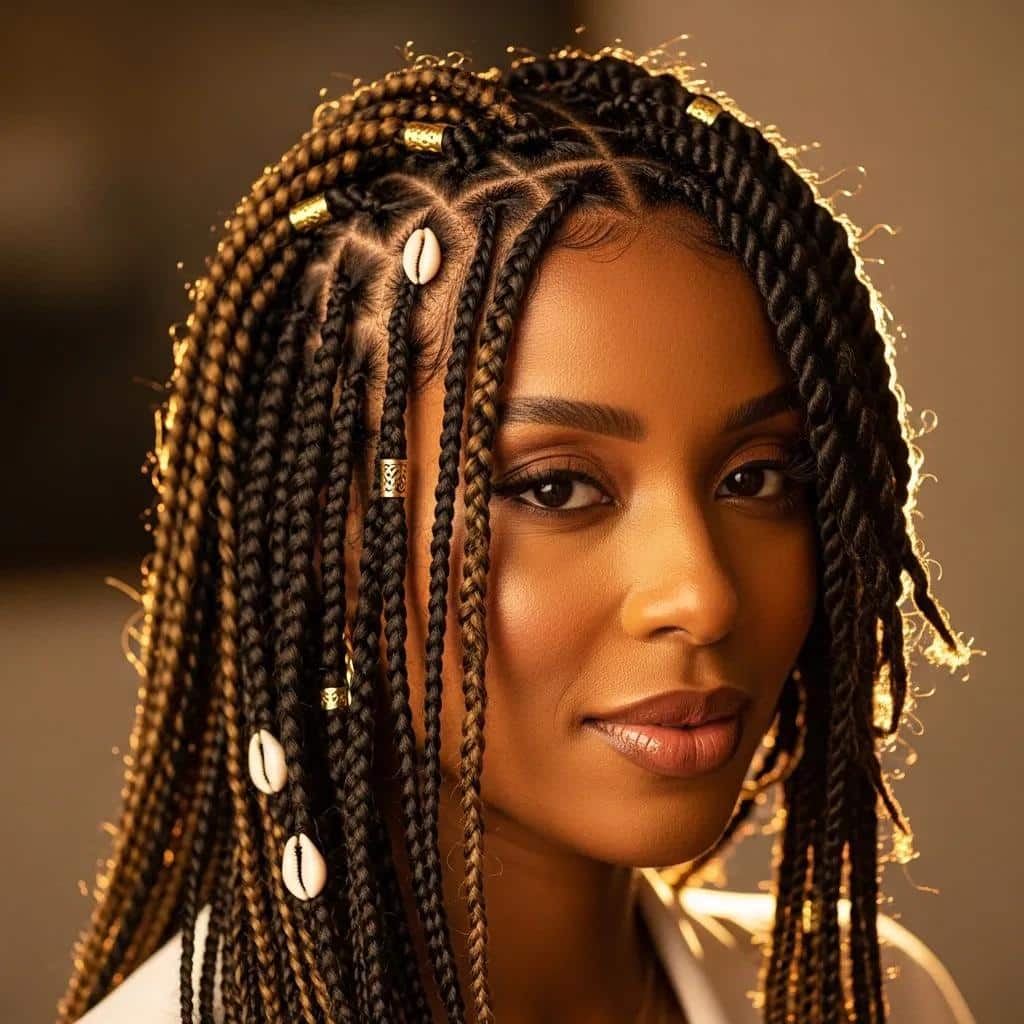
Protective hairstyles are essential for minimizing hair breakage and promoting growth, especially for 4B and 4C hair types. These styles help shield the hair from environmental stressors and reduce manipulation, which can lead to damage.
Which protective styles help prevent hair breakage?
- Braids: Box braids and cornrows are excellent for protecting the hair while allowing for versatility in styling.
- Twists: Two-strand twists or flat twists can help maintain moisture and reduce tangling.
- Buns and Updos: These styles keep the ends tucked away, minimizing exposure to friction and environmental damage.
How to maintain locs and twist outs for natural hair?
Maintaining locs and twist outs requires a consistent care routine. Regular cleansing is vital to prevent buildup, while moisturizing techniques, such as using leave-in conditioners or oils, help keep the hair hydrated. For twist outs, using a light styling gel can enhance definition and hold, ensuring that the style lasts longer. Additionally, protecting the hair at night with a satin scarf or pillowcase can help maintain moisture and reduce frizz.
Ultimate Guide to Natural Hairstyles for 4A, 4B & 4C Curls
Maintaining healthy natural hair involves a combination of proper moisturizing, detangling, and product selection tailored to your specific curl pattern.
Emphasizing the critical role of proper maintenance, experts highlight that healthy hair care practices are fundamental for preserving the integrity of natural African hair.
Essential Healthy Hair Care for Natural African Hair
The African hair type is unique in its structure, though biochemically like naturally straight hair. Many women of African descent these days prefer to keep their natural hair and shun chemical and non-chemical hair straightening. Healthy hair care practices are essential to maintenance of natural black hair. Poor hair care practices may lead to quite severe hair damage.
HEALTHY HAIR CARE PRACTICES;
CARING FOR THE AFRICAN TYPE HAIR, V Ekpudu, 2021
How to moisturize and detangle natural hair effectively?
Effective moisturizing involves using a combination of water-based products and oils. Start with a leave-in conditioner to hydrate the hair, followed by a light oil to seal in moisture. When detangling, always work from the ends to the roots, using a wide-tooth comb or your fingers to minimize breakage. It’s advisable to detangle when the hair is damp to reduce friction and damage.
What products work best for different curl patterns?
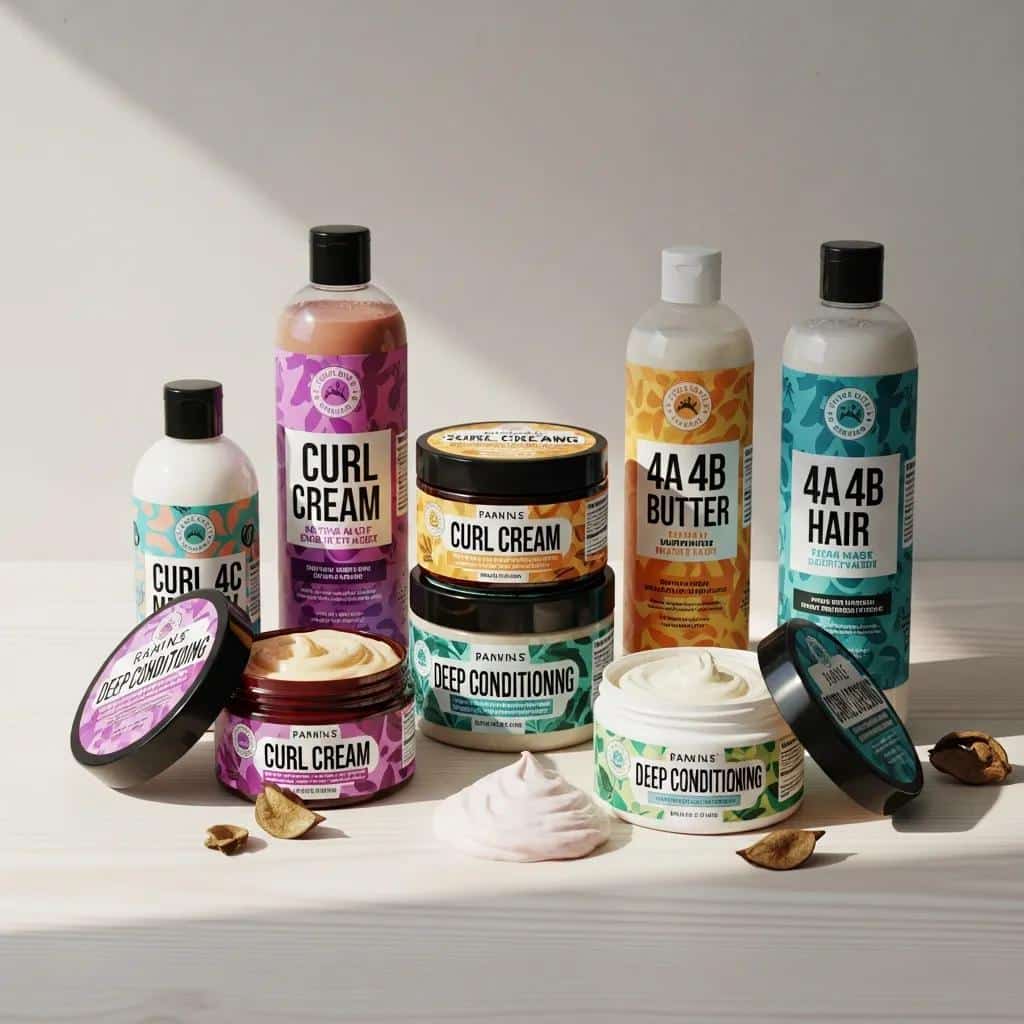
Choosing the right products is crucial for maintaining healthy hair. For 4A hair, lightweight moisturizers and curl creams work well. 4B hair benefits from thicker creams and butters that provide extra moisture, while 4C hair often requires heavy oils and rich creams to combat dryness. Here’s a comparison of effective products for each curl type:
This table illustrates how different products cater to the unique needs of each curl type, ensuring optimal hydration and care.
By understanding your curl pattern and implementing these care strategies, you can maintain healthy, beautiful natural hair that reflects your unique style. For more inspiration and hair care education, Boys and Girls Hairstyles offers a wealth of resources tailored to children and women with natural hair textures.
If you’re looking for a change, consider exploring low-maintenance curly pixie cuts. This style can be a refreshing and manageable option for those with natural curls.
Frequently Asked Questions
What are the common challenges faced by individuals with 4C hair?
Individuals with 4C hair often face challenges such as extreme dryness, shrinkage, and breakage. The tightly coiled nature of 4C hair makes it more prone to moisture loss, requiring consistent hydration and care. Additionally, detangling can be a time-consuming process, as this hair type is more susceptible to tangles and knots. Finding the right products that provide adequate moisture and definition can also be difficult, leading to frustration. Understanding these challenges is essential for developing effective hair care routines.
How often should I wash my natural hair?
The frequency of washing natural hair varies based on individual needs and hair type. Generally, it is recommended to wash 4A, 4B, and 4C hair every 1 to 2 weeks to prevent buildup while maintaining moisture. However, some individuals may find that washing more frequently helps manage oiliness or product buildup, while others may prefer to extend the time between washes to retain moisture. It’s essential to listen to your hair’s needs and adjust your washing routine accordingly.
What are the benefits of using natural oils for hair care?
Natural oils, such as coconut oil, jojoba oil, and castor oil, offer numerous benefits for natural hair care. They help to seal in moisture, reduce frizz, and enhance shine. Oils can also provide nourishment to the scalp, promoting healthy hair growth. Additionally, using oils can improve the overall texture of the hair, making it more manageable. Incorporating natural oils into your hair care routine can significantly enhance the health and appearance of your curls.
Can I use heat styling tools on my natural hair?
While it is possible to use heat styling tools on natural hair, caution is advised. Excessive heat can lead to damage, especially for 4B and 4C hair types, which are more fragile. If you choose to use heat, it’s essential to apply a heat protectant beforehand and limit the frequency of use. Opting for lower heat settings and incorporating heat-free styling methods can help maintain the integrity of your natural curls while allowing for versatility in styling.
What is the importance of a satin scarf or pillowcase for natural hair?
Using a satin scarf or pillowcase is crucial for maintaining the health of natural hair. Satin helps reduce friction while you sleep, preventing breakage and frizz. Unlike cotton, which can absorb moisture, satin allows your hair to retain its natural oils and hydration. This practice is especially beneficial for 4A, 4B, and 4C hair types, which require extra moisture to stay healthy. Incorporating satin into your nighttime routine can lead to improved hair texture and overall health.
How can I protect my hair during the winter months?
Winter can be harsh on natural hair due to cold temperatures and low humidity, leading to dryness and breakage. To protect your hair during this season, consider wearing protective styles like braids or twists to minimize exposure. Additionally, increase your moisturizing routine by using heavier creams and oils to lock in hydration. Wearing hats or scarves can also shield your hair from the cold. Regular deep conditioning treatments can further help maintain moisture levels and keep your hair healthy throughout the winter.
Conclusion
Embracing your natural hair and understanding its unique curl pattern can lead to healthier, more vibrant locks. By implementing tailored care strategies and choosing the right products, you can effectively manage and celebrate your 4A, 4B, and 4C hair. For further insights and inspiration, explore our extensive resources on natural hair care. Start your journey to beautiful, healthy hair today!
Boys and Girls Hairstyles Store Popular Links
Don’t forget to check out our YouTube Channel: https://www.youtube.com/user/GirlsHairstyles2012
Subscribe: http://www.youtube.com/user/GirlsHairstyles2012?sub_confirmation=1
Join our email list : https://forms.aweber.com/form/67/368997267.htm
Hair Tutorials – https://www.boysandgirlshairstyles.com/