
Choose the shortest acceptable length
RaDona begins at the back hairline and establishes the first guide before building the angle toward the sides.
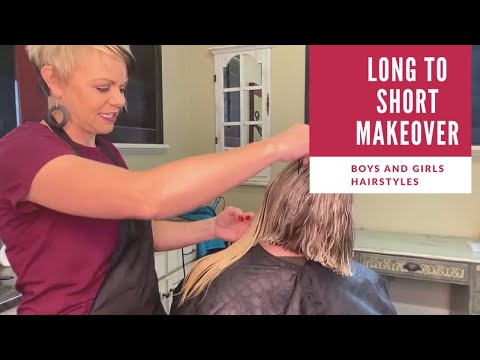
This real RaDona transformation takes long, very thick hair into a short A-line Bob: shorter and lightly stacked through the lower back, longer toward the front, with limited top layering, selective texturizing and a side-swept fringe.

Long hair carries visual weight downward. In this transformation, RaDona moves that weight upward and backward by shortening the nape and lower back, while deliberately keeping the front longer. The result is a cleaner A-line silhouette without turning the haircut into a short layered Pixie or Bixie.
RaDona explains the shape before the first major cut: short through the back, stacked low, longer through the front, and without a large amount of short layering through the top.
The finished Bob works because the perimeter, stack, front length and interior weight are treated as separate decisions.
RaDona begins at the back hairline and establishes the first guide before building the angle toward the sides.
The side sections are not cut to match the short back. They are positioned so the front releases longer.
The client wants shape in the lower back but not a head full of short layers. That distinction keeps this firmly in Bob territory.
Because her hair is very thick, RaDona removes interior bulk. This is density-specific—not a rule for every Bob.
The fringe is cut so it stays out of the eye and connects into the longer front without becoming a heavy block.
After round-brushing and flat-ironing, RaDona adjusts heaviness and small length differences before the final reveal.
If you are considering the same change, watch how RaDona controls the shape after the initial length comes off.
The question is not whether a Bob is “age appropriate.” The useful questions are how much perimeter you want to keep, where you want volume and how you normally style your hair.
Removing length does not automatically remove bulk. This client has a lot of hair, so RaDona uses interior texturizing to create movement while protecting the outer A-line shape.
See the A-Line Bob GuideDo not copy a heavy texturizing strategy from a thick-haired client. Fine hair often needs more perimeter protection and more selective layering.
Bob Haircuts for Fine HairFor a dramatic change, the most important communication points are the back length, front length, amount of stack, fringe and how much interior weight should be removed.
| Decision | What this transformation does | What to tell your stylist |
|---|---|---|
| Back length | Short through the nape/lower back | Show the shortest point you are comfortable exposing. |
| Front length | Deliberately longer than the back | Point to the exact jaw/chin/neck area where you want the front to land. |
| Stack | Concentrated lower in the back | Say whether you want a subtle stack or a stronger graduated shape. |
| Top layers | Kept relatively long | Clarify whether you want Bob weight or much shorter internal layering. |
| Density removal | Significant because the client has very thick hair | Ask how much texturizing your own density can support. |
| Fringe | Side-swept and kept out of the eye | Bring a separate front-view reference if the fringe is important. |
| Natural texture | Client has natural curl and can wear it with texture | Tell your stylist how often you wear your hair straight vs natural. |
This transformation has texture and some stacking, but the longer front and defined A-line perimeter still control the silhouette. A Bixie usually shifts more emphasis to shorter internal Pixie-like layers.
If you like this length but want more internal movement, compare the two before asking your stylist to add shorter layers.
Use these as additional visual references, not as instructions to copy the same layering or density strategy onto every head of hair.
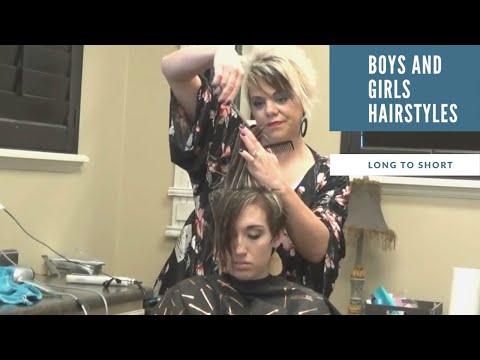 146K+ views
A second long-to-short example with a stronger asymmetrical/A-line emphasis.
Watch the Transformation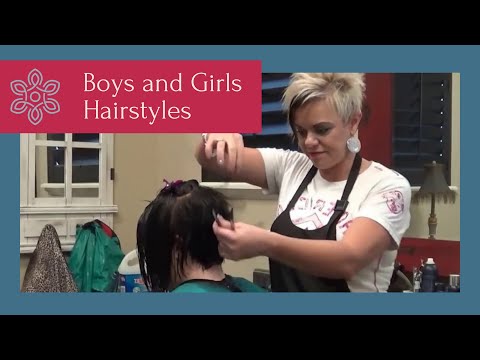 130K+ views
A useful contrast when you want more visible layering and a tighter stacked result than the primary transformation.
Watch the Layered Bob Fresh 2026
A newer October 2026 example showing how RaDona is still shaping layered, stacked Bobs in the salon today.
Watch the Fresh BobSee the full Bob family before deciding on your exact silhouette.
Compare this transformation with other short, medium and longer options for women 50+.
Choose the Bob strategy based on your own density and desired amount of layering.
RaDona is a licensed cosmetologist and salon owner in Nephi, Utah who has worked behind the chair since 2000. This guide is built around a real salon transformation rather than a generic list of Bob haircut claims.
The technique notes on this page come directly from the featured transformation: lower stacking, preserved front length, limited short layering, density-specific texturizing, side-swept fringe and dry refinement.
Use the transformation as a reference, then customize the perimeter, stack, front length and interior texture to your own hair.
It can be. A short Bob can create a stronger perimeter and remove unsupported length, but the best result depends on density, texture, face framing and how much styling you want. This transformation keeps the front longer and concentrates the stack lower in the back rather than adding short layers everywhere.
A regular Bob can be fairly even around the perimeter. An A-line Bob is shorter in the back and becomes longer toward the front. In this transformation, RaDona deliberately preserves the front length while building the shorter back shape.
It may reduce drying time and remove a large amount of weight, but thick hair can still feel bulky if the interior is not adjusted. In this transformation, RaDona uses selective texturizing because the client has a lot of hair.
It can, depending on the curl pattern and desired finish. RaDona specifically notes during this transformation that the cut could also be worn with the client's natural curl. Curl shrinkage and shape should be considered before choosing the final length.
There is no universal number. Decide the shortest acceptable back length and the front length you want to preserve before the first major cut. A reference photo or video is especially useful for a dramatic change.
Show the desired back length, how much A-line angle you want, whether you want stacking, how long the front should stay, your preferred fringe and whether you plan to wear the hair straight, wavy or curly.
This A-line Bob works because the back gets shorter while the front stays intentionally longer. If that perimeter-first silhouette matches your goal, use the video as your salon reference and then customize the stack and interior texture to your own hair.