
Classic Bob
One strong lower shape with minimal internal layering. Easy to understand and easy to grow.
A good child’s bob should make hair easier to brush, wash and live with—not create another morning styling job. Start with the child's hair density, preferred length, willingness to wear bangs, and how much everyday styling the family actually wants.

Start with how the hair behaves. A classic one-length Bob keeps the strongest perimeter. A soft A-line keeps more front length while shortening the back. A stacked Bob adds more shape through the back.
For the lowest-maintenance option, start a little longer and skip bangs. You can always shorten or add fringe later.
RaDona first establishes the lower length, then controls the amount of back graduation. She deliberately holds side sections back so they fall longer toward the front. That is the core A-line/stacked geometry.
These timestamps come directly from the real haircut tutorial.
Keep the decision simple: perimeter, back shape, bangs and how much length the child wants to keep.
One strong lower shape with minimal internal layering. Easy to understand and easy to grow.
Shorter in back, longer toward the face. Useful when parents want shape but do not want the front too short.
Graduation creates a rounder back and more visible structure. The stronger the stack, the more maintenance matters.
Best when ponytails, clips and half-up styles still matter or the child is nervous about going short.
The visuals are real salon clients—not stock galleries—so parents can compare the actual back, sides and finished result.
A real little-girl stacked bob with a clean back, a gentle side angle and enough front length to frame the face.
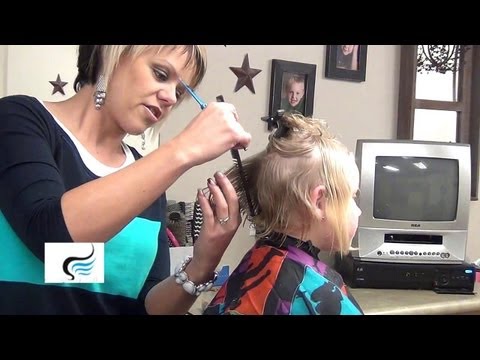
A short A-line shape that keeps longer side/front length while creating visible shape through the back.

A clear longer-front/shorter-back example with adjustable back graduation.

A child-focused bob designed around an easy everyday shape rather than a complicated styling routine.
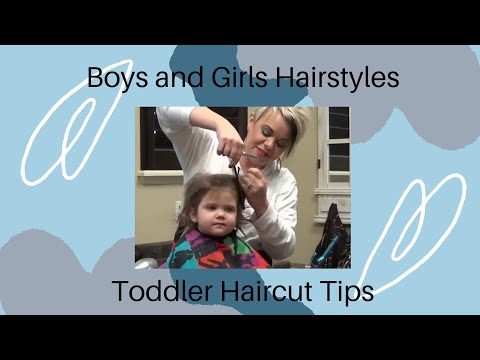
Uses controlled layering instead of simply removing length everywhere.

Another real child example showing how the perimeter itself changes the appearance of fine hair.

A practical little-girl trim for parents who want a tidy shape without an elaborate haircut.
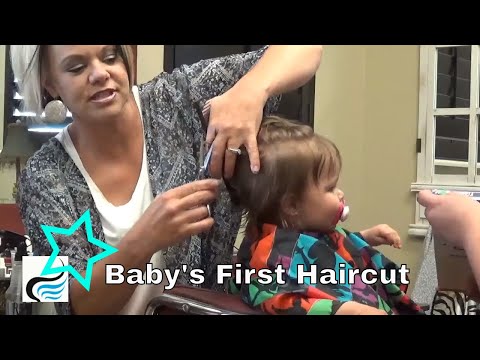
A real first-haircut video that helps parents think about comfort, length and how much change is appropriate.
These 20 options are grouped by the decision parents are actually making: simplicity, shape, fringe or hair type.
The visual effect comes from shape—not from changing the child's follicles or strand diameter.
A strong lower line keeps the available hair visually together.
Gentle graduation can change the silhouette without taking excessive density from the lower edge.
Denser hair may need more internal control so a Bob does not become triangular or heavy around the ears.
Cutting hair can make the shape appear denser because the ends are cleaner and more even. It does not create new follicles or medically thicken the hair.

A Bob without bangs can often grow for weeks without bothering the child. A full fringe may need more frequent trims and can become frustrating if the child dislikes hair touching the forehead or wears sports gear frequently.
Shorter and more geometric bobs show growth sooner. Longer, softer bobs are generally more forgiving.
| Bob type | Everyday effort | Trim pressure | Best for |
|---|---|---|---|
| Long Bob | Low | Lowest | Kids who still need ponytails or are nervous about short hair |
| Classic Chin Bob | Low | Moderate | Simple brushing and a clear haircut shape |
| Soft A-Line | Low to moderate | Moderate | More front length with a neater back |
| Stacked Bob | Moderate | Higher | Families who like a shaped back and will maintain it |
| Bob + Bangs | Low to moderate | Higher at fringe | Kids comfortable with hair on the forehead |
These legacy videos are useful proof, while the rebuilt site keeps Kids & Family separate from the women 40–80 growth architecture.
#1
A major legacy child-bob video and the primary teaching embed on this page.
Watch the real haircut → #2
Strong long-term audience proof for the A-line/stacked child haircut family.
Watch the real haircut →
#3
One of the channel's largest kids-haircut videos and useful proof of the family audience.
Watch the real haircut →
#4
Strong parent-interest proof around first cuts and real-child salon experiences.
Watch the real haircut →This keeper sits in its own family branch, with only a clean secondary connection into the general Bob haircut hub.
Use these when the visitor wants child-specific haircuts and practical family styling.
The broad Bob hub remains the haircut-family parent, but this page owns the child intent.
Use the full haircut videos to show a stylist the exact side and back shape the family wants.
The website helps parents decide classic vs A-line vs stacked, bangs vs no bangs, and how short to go. The YouTube videos show the actual head position, side angle, back graduation and finished result.
RaDona is a licensed cosmetologist and salon owner in Nephi, Utah who has worked behind the chair since 2000. BGH's child-haircut library includes real first cuts, little-girl bobs, A-lines, stacks and everyday family hairstyles.
The page is written for parents making practical decisions: how much length the child wants to lose, whether the haircut still needs ponytail options, how much back graduation is appropriate, and whether bangs are worth the extra maintenance.
The best Bob is the one that fits the child's hair, comfort level and everyday routine.
A classic chin-length or slightly longer one-length bob is often the simplest because it has a clear perimeter and does not require daily heat styling. If ponytails still matter, start with a longer bob.
It can be. A soft stack gives more shape through the back, while a stronger stack creates a more dramatic short-back/longer-front silhouette. The amount of graduation should match the child's hair density and the family's maintenance preference.
A bob can make fine-looking ends appear fuller because the lower perimeter is stronger and the hair is not spread across as much length. Cutting hair does not change follicle count or strand diameter.
Only if the family is comfortable maintaining them. Bangs can be cute and practical, but they usually need more frequent trimming and may bother children who dislike hair on the forehead.
Start with the amount of change the child and parent are comfortable with. Chin length is a classic Bob; ear-length is much shorter and needs more frequent maintenance; a long Bob preserves more styling options.
Many bobs can go about 6 to 10 weeks depending on length, growth rate and how precise the shape is. Very short stacked backs or bangs may need attention sooner.
Yes. Even shorter bobs can work with clips, headbands and small front sections pulled back. A longer Bob preserves more ponytail and half-up options.
Bring a real example that matches the desired back length, front length and amount of stacking. Saying only “bob” can mean very different silhouettes, so a side and back reference is especially useful.
Use the real salon videos to compare the side and back before the appointment, then bring the closest example to the stylist.