

Flat + fine
My Hair Looks Flat
Look at buildup, conditioner placement, haircut weight and styling technique before automatically adding more volume products.
Fine & thinning hairA good hair routine does not need twelve bottles. It needs the right cleanser, enough conditioning, protection from the damage you actually create and styling products that support your haircut instead of fighting it. Start with your hair concern, build the simplest routine that solves it, and use the deeper buying guides only when you need help choosing a specific product.
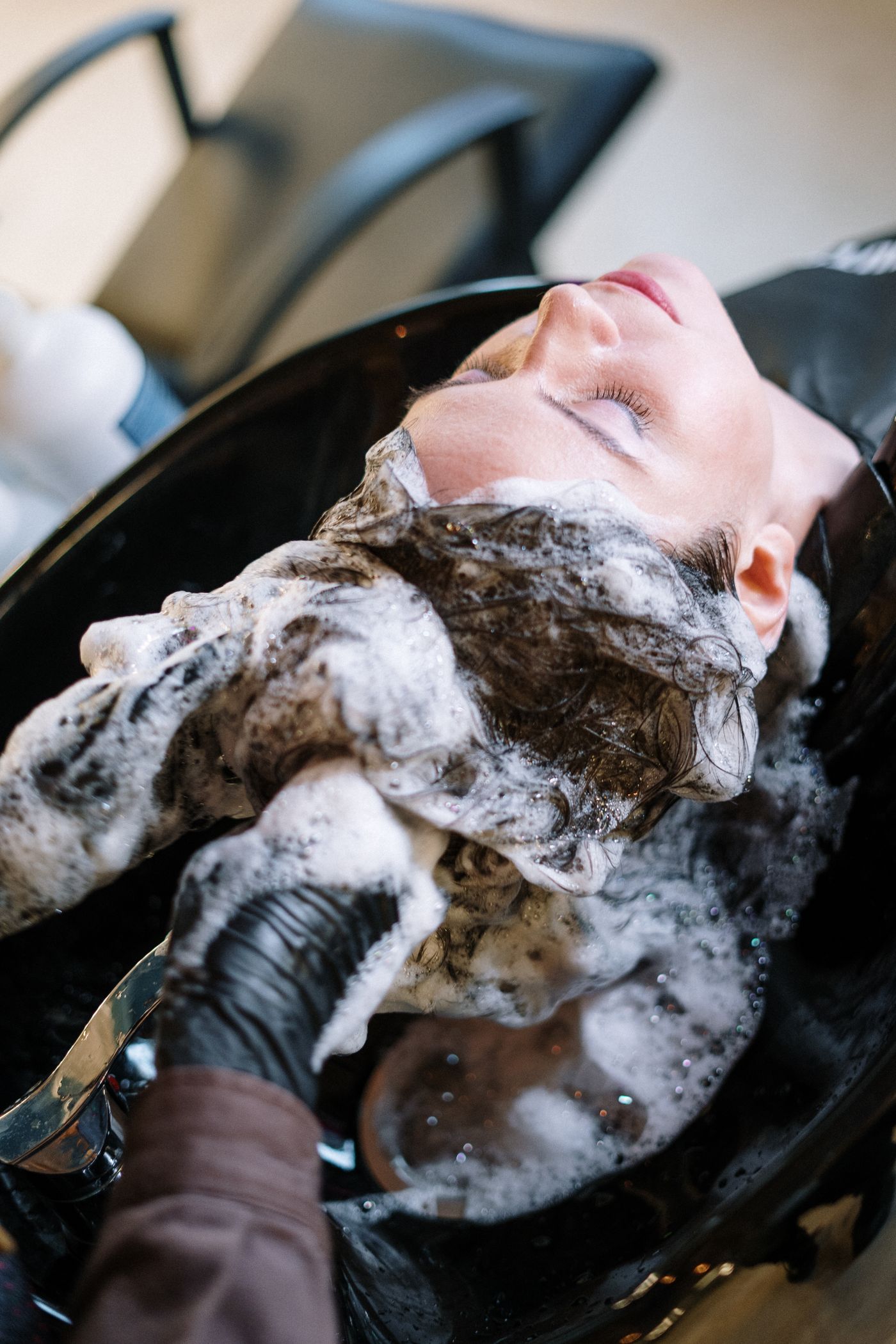
“I need better products” is usually too broad. Identify the specific problem first and the buying decision gets much easier.
Look at buildup, conditioner placement, haircut weight and styling technique before automatically adding more volume products.
Fine & thinning hair
Conditioning, gentler handling, reduced heat and removing damaged ends may matter more than another styling product.

Start with condition and buildup. Add violet toning only when unwanted yellow warmth is actually present.
Gray & silver hair
Curl definition depends on moisture, handling, drying method and product amount—not simply using the heaviest curl cream.
Styling tutorials
Processed hair may need gentler cleansing, thoughtful conditioning and less cumulative heat damage.
Color services
Heat protection helps, but so do reasonable tool settings, fewer repeated passes and good sectioning technique.
Heat protectant guideStart with four jobs. Add another product only when you can explain what problem it is solving.
Shampoo the scalp according to oil, buildup, activity and product use—not according to a universal wash schedule.
Put moisture where it is needed. Fine oily roots may need much less conditioner than dry processed ends.
Protect before hot tools and handle wet hair gently when it is more vulnerable to stretching and breakage.
Use only enough product to support texture, hold or volume without burying the haircut under residue.

One of the easiest mistakes is asking one product to solve two completely different areas. Your roots may become oily while the ends remain dry or chemically processed.
Fine hair describes strand diameter. Thinning describes reduced density. Those are different concerns and they should not automatically lead to the same shampoo.


Some silver hair is fine and soft. Some is wiry. Some is naturally dry and some becomes oily at the root. Build the core routine around condition first.
A protectant should be one part of a lower-stress styling routine—not permission to hold an extremely hot tool on the same section repeatedly.

These are decision principles—not rigid rules. Hair density, processing, scalp condition and styling habits can matter as much as texture.
Keep the routine light enough to preserve movement. Condition strategically and judge products by whether the roots still lift.
Prioritize conditioning, gentle detangling and reducing repeated chemical or heat stress.
Balance cleansing with enough conditioning to preserve curl flexibility without coating the hair unnecessarily.
Condition compromised lengths, reduce unnecessary heat and choose cleansing that leaves the hair manageable.
Treat condition first and use toning products only when unwanted yellow warmth is the problem.
Keep routines simple, comfortable and age-appropriate. Gentle detangling and manageable haircuts usually matter more than product volume.
Kids & familyProduct comparisons belong on pages where RaDona can explain who each option is for, what it realistically does and where it may be the wrong fit.

RaDona's tested formulas organized by use case: visible thinning, damage, budget, scalp needs and cosmetic fullness.
Compare shampoos
Compare heat-protection choices by hair type and learn how application technique affects the result.
Heat protectant guideProducts are excellent at some jobs and poor substitutes for others. A better decision starts by separating hair-care problems from haircut, technique and health questions.
Start with one change, evaluate the result and add complexity only when it earns its place.
| Main Concern | Start With | Then Consider | Don't Assume |
|---|---|---|---|
| Fine + flat | Clean roots + lighter routine | Root-support styling | More product = more volume |
| Dry ends | Condition + gentler handling | Reduce heat / trim damage | Oil repairs split ends |
| Progressive thinning | Haircut + cosmetic care | Appropriate medical evaluation | Shampoo diagnoses hair loss |
| Yellow gray hair | Confirm unwanted warmth | Occasional violet toning | Every wash needs purple shampoo |
| Frizzy curls | Condition + gentler drying | Curl-support styling | More oil always means less frizz |
| Heat-stressed hair | Protect + reduce excess heat | Improve sectioning technique | Protectant makes heat harmless |
A simpler routine is usually easier to evaluate because you can tell what each product is actually contributing.
Start with appropriate cleansing, conditioner matched to your lengths, heat protection when needed and one or two styling products that support your haircut or texture. Add something else only when you can identify the problem it solves.
Fine hair generally benefits from products that do not leave unnecessary heavy residue. But oily roots, damaged ends and true thinning are different concerns, so there is no single ideal “fine-hair routine” for everyone.
Choose cleansing and conditioning around your actual scalp and hair condition. If unwanted yellow warmth develops, violet toning may help. Do not assume every head of gray hair needs the same toning schedule or moisture level.
Using heat protection before repeated hot-tool styling is a sensible part of reducing cumulative heat stress. Tool temperature, section size and the number of repeated passes still matter.
Shampoo can improve cleansing, manageability, breakage and the cosmetic appearance of existing hair depending on the formula. It should not be expected to diagnose the cause of hair loss or regrow lost follicles.
If density is the issue, start with Fine & Thinning Hair. If silver tone and condition are the concern, use Gray & Silver Hair. If you use hot tools regularly, read the Heat Protectant guide before choosing your next spray.