
Protect the perimeter
Fine strands can look sparse at the ends. Strong, clean edges usually create more visual fullness than heavy layering.
The best little girl haircut is the one that still looks good on a school morning when nobody has time for a blowout. Start with her natural hair type, decide how much length she wants to keep, then choose a shape that works with her real texture and daily routine. This guide covers 15 practical cuts for girls ages 2–12, with real salon examples from RaDona.

Toddlers 2–4 · School age 5–8 · Tweens 9–12 · Low-maintenance cuts · Real salon videos
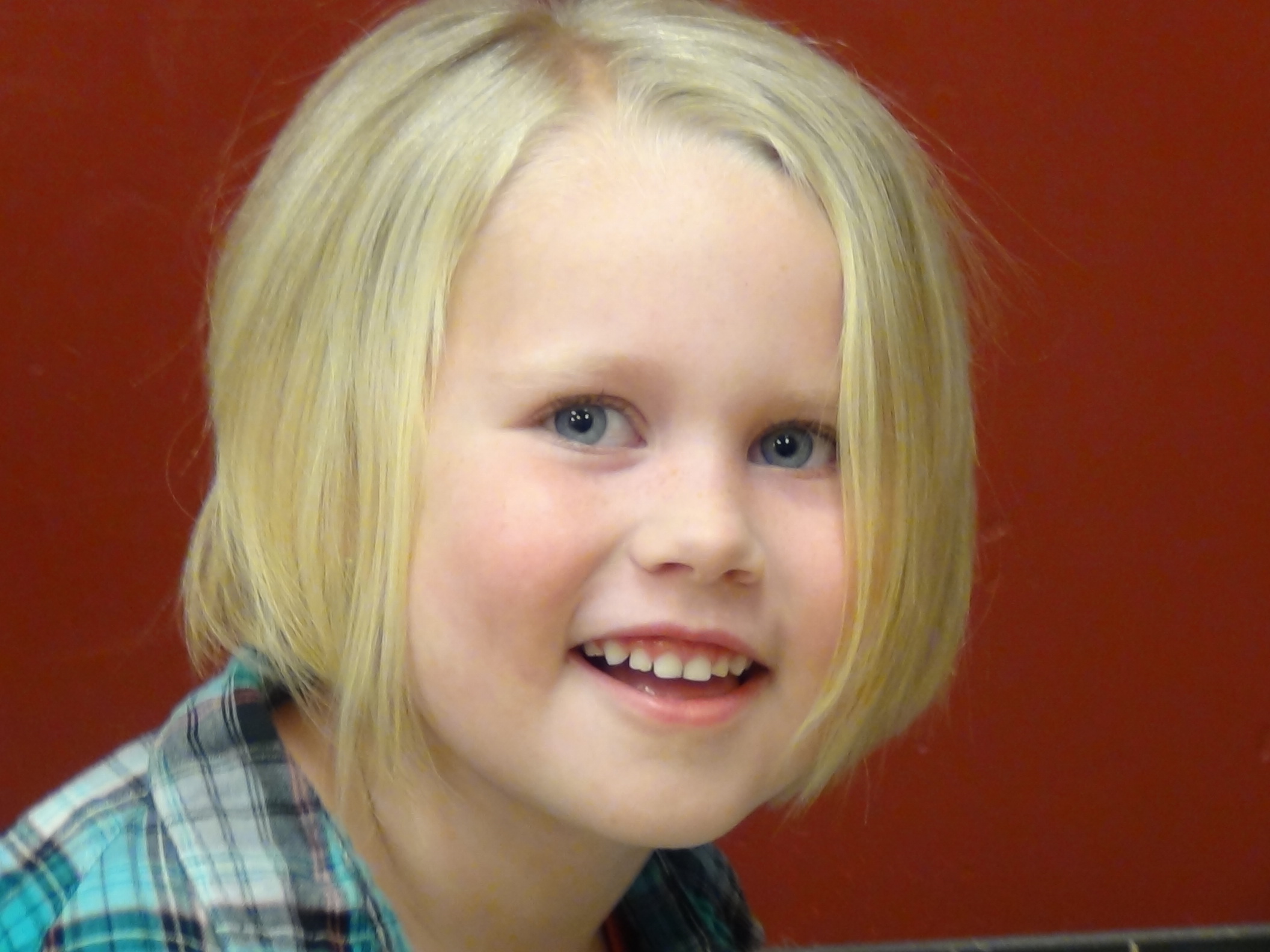
Real little-girl salon client — Healthy, manageable and designed for everyday life.
RaDona’s first rule: the cut should work without daily styling. — Kids’ hair has to survive school, play, sports, sleep and busy mornings.
Ages · 2–12 · toddlers to tweens
Hair types · 5 · texture groups
Haircuts · 15 · practical choices
Experience · 25+ yrs · behind the chair
Fine hair usually benefits from a strong perimeter and fewer layers. Thick hair often needs controlled weight removal so it moves instead of hanging heavily. Wavy hair should be shaped so it still looks intentional when air-dried. Curly and coily hair needs a stylist who respects the natural pattern and accounts for shrinkage. Once the texture is understood, age helps decide how short, expressive or styling-friendly the final cut should be.
Fine & straight — Blunt bob, one length or soft A-line.
Thick & straight — Long layers or controlled layered bob.
Wavy — Layered lob or shoulder cut that air-dries well.
Curly / coily — Shape around the natural pattern and shrinkage.
Step 1 · identify the hair
Judge the hair on an ordinary day, not after it has been flat-ironed, curled or heavily styled. The natural pattern is what the haircut has to work with most often.
Fine & straight
Fine strands can look sparse at the ends. Strong, clean edges usually create more visual fullness than heavy layering.
Thick hair often needs movement and selective weight removal, especially when the length reaches the shoulders.
Choose a shape that works when air-dried instead of requiring the wave to be straightened every morning.
Curl length changes as it dries. The stylist should judge the natural pattern before deciding where the finished line belongs.
Choose a stylist comfortable with tight curls and coils. Avoid aggressive thinning that leaves the perimeter weak.
These are not fifteen trends that every child should copy. They are practical starting points for a real salon conversation.
1–3 · fine & straight
Best for: fine ends and busy mornings. A strong line around the chin removes wispy length and gives the hair a cleaner, fuller-looking perimeter.
Best for: girls who refuse to lose their length. Keep the bottom line strong and use minimal layering so the longest ends do not look thinner than necessary.
Best for: fine or flat hair that needs more shape. Keep the angle child-friendly rather than extreme so the cut remains easy to grow out.
4–6 · thick & straight
Best for: easy ponytails and braids. Shoulder length keeps the hair versatile while taking enough length off to make washing and detangling easier.
Best for: older girls who want to keep long hair. Light face framing adds movement without turning the entire haircut into short layers.
Best for: dense hair that becomes boxy at bob length. The stylist can remove controlled weight inside the shape while keeping the outside line polished.
7–9 · wavy hair
Best for: loose waves and girls who still want enough length for a ponytail. Long layers can encourage movement without making the ends look too light.
Best for: a simple everyday cut. Let the natural bend determine the finished shape instead of judging the haircut only after straightening.
Best for: older girls who want more movement and personality. Keep the fringe soft enough that it blends into the natural wave rather than needing daily hot-tool styling.
10–12 · curly hair
Best for: curls that need movement without losing too much length. The stylist should assess how the curl sits naturally before deciding the final layer placement.
Best for: defined curls at shorter length. Keep enough length for the curl to form and avoid treating the haircut like a straight bob with curls added afterward.
Best for: a child who loves her length. Remove worn ends conservatively while preserving the overall curl pattern and long silhouette.
13–15 · shape & personality
Best for: tight curls or coils that need a defined silhouette. Work with a stylist experienced in the child’s natural pattern and maintenance routine.
Best for: tweens who want an obvious change without committing to a short haircut. The lob remains ponytail- and braid-friendly while the fringe adds personality.
Best for: a girl who loves long hair but wants more framing near the face. Keep the fringe long enough to blend back easily on sports or school days.
These are real Boys & Girls Hairstyles videos rather than generic inspiration photos. Use them to compare length, shape and how much maintenance each cut is likely to need.
Recent salon client
A current example of an age-appropriate cut designed around healthy ends and everyday manageability.
Fine hair
A strong example of shortening fine ends and using the haircut itself to create a fuller shape.
Toddler
A useful reminder that the first goal with toddlers is a simple cut and a manageable appointment.
School age
A rounded, manageable school-day haircut that shows why a strong shape can simplify the morning routine.
Step 2 · choose by age
Age does not decide the haircut by itself. It changes the practical priorities: sitting still, school routines, sports, independence and how strongly the child wants to participate in the decision.
Ages 2–4
Keep the goal modest. A toddler does not need a haircut that requires a round brush, curling iron or precise morning styling.
The haircut should work down, in a ponytail and in a basic braid. School mornings and active play make versatility valuable.
At this age, include her directly in the salon conversation. The best haircut is the overlap between what she wants and what her hair can realistically do.
Shoulder-length hair is short enough to reduce tangles and drying time, but long enough for ponytails, braids, pigtails and most school hairstyles. That makes it especially useful for girls who do not want a short bob but whose parents are tired of managing very long hair.
The older medium-length guide made an important point worth preserving: the haircut should still look good after the child washes it at home. If a slightly wavy shoulder cut only looks correct after it has been straightened, the family is going to spend every ordinary morning fighting the natural texture.
Fine hair: use a stronger perimeter and fewer layers.
Thick hair: add only enough layering to improve movement.
Wavy hair: check how the ends behave without ironing them straight.
Busy mornings: keep enough length for a quick ponytail or braid.
Fine hair solution
Removing long, wispy ends can immediately make fine hair look more substantial. A soft A-line or classic bob gives the perimeter structure without requiring a complicated daily style.
Medium length is particularly useful for girls with a little wave or curl because it leaves enough weight for control while still allowing natural movement through the ends.
Wavy and curly hair changes as it dries. The amount of shrinkage varies from child to child, so the stylist should pay attention to the actual pattern rather than promising one universal amount of bounce-up.
The older medium-curls guide had the right central lesson: stretching the hair straight can hide how the finished haircut will behave naturally. A curl-aware haircut should be checked with the curl pattern visible, and the child should leave with a routine the family can actually repeat.
Ask: “How much shrinkage do you see in her natural pattern?”
Ask: “Where will this layer land when the hair is dry?”
Avoid: removing large amounts of bulk without seeing the curl spring back.
At home: choose a routine built around moisture, gentle detangling and natural texture.
A haircut has to support real life
One of the best lessons from the older girls-hairstyle content is that a haircut should create more options, not fewer. Think about what she actually does with her hair during the week.
School
If school mornings are rushed, leave enough length to gather the hair quickly without ten clips holding up short pieces.
Medium and long cuts give younger girls a fast way to keep hair off the face during recess, sports and outdoor play.
A lob or shoulder-length cut still leaves enough hair for a twist, knot, bow or half-up style when she wants something special.
If braids are part of the weekly routine, protect enough length for the braid before agreeing to a dramatic short cut.
French and Dutch braids are two of the most reusable techniques for school mornings, sports, travel and growing out a haircut.
Beginner foundation
A medium or long little-girl haircut becomes far more versatile once the front and side pieces can be incorporated into a braid.
Raised braid
The Dutch braid uses an under-cross motion that creates a more visible braid on top of the hair while still keeping loose pieces controlled.
A toddler who is frightened, hungry or exhausted is not going to care whether the haircut is technically fashionable. Schedule the appointment when she is usually rested, keep the first cut simple and give the stylist permission to pause.
If the goal is only to remove thin ends and establish a cleaner shape, that may be enough for the first visit. You can always make a larger change later after the child understands what a haircut feels like.
Before: food, bathroom, simple explanation and one reference picture.
During: quiet distraction at eye level and breaks when needed.
Safety: never chase a moving child with scissors.
After: celebrate the appointment rather than demanding perfect stillness.
Bangs or no bangs?
Bangs are useful when a child dislikes hair falling into her eyes, wants a stronger face frame or simply loves the look. But they grow into the eyes sooner than the rest of the haircut and need separate attention between full salon visits.
If the family is unsure, keep the front longer on the first appointment. It is easy to add bangs later. Growing out fringe that the child immediately dislikes takes much longer.
Straight fringe: strongest visual change and most obvious maintenance.
Wispy bangs: lighter and softer on fine hair.
Curtain bangs: useful for tweens who still want an easy grow-out path.
Curly fringe: judge the dry curl pattern carefully before taking off more length.
A picture shows the destination. Hair type, morning routine and styling preferences determine whether that destination makes sense.
| Tell the stylist | Why it matters | Example |
|---|---|---|
| How the hair dries naturally | Shows the stylist the real texture the haircut has to support. | “Her hair is straight underneath but wavy around the face.” |
| What mornings are actually like | Prevents a high-maintenance cut in a low-maintenance household. | “We usually have two minutes to brush and leave.” |
| Whether she needs ponytail length | A few inches can decide whether the hair still ties back. | “She needs to put all of it up for dance and soccer.” |
| How she feels about bangs | Fringe is much easier when the child actually wants it. | “She does not want anything touching her forehead.” |
| Her strongest cowlick or growth pattern | Growth direction affects fringe, parting and very short cuts. | “This front section always flips to the right.” |
| How much length she personally wants to keep | Older girls should feel ownership over a visible change. | “She is comfortable going to her shoulders, but not shorter.” |
These guides cover the haircut shapes, braid techniques, school styles and natural-texture care that pair naturally with this age-and-hair-type guide.
Haircuts & styling
Start with texture, maintenance and how the child wants to wear her hair most days.
There is no single best cut for every child. A chin-length bob is excellent for many girls who want low maintenance, while shoulder length is often the most versatile choice because it still supports ponytails and braids. Hair type should guide the amount of layering and the final shape.
A simple bob, shoulder-length one-length cut or light trim is usually easier than a style requiring daily products or hot tools. Toddlers also benefit from a haircut that can be completed without a very long salon appointment.
A blunt bob, one-length shoulder cut or soft A-line shape can make fine hair appear fuller because the ends remain visually strong. Heavy layering can make already-fine ends look even thinner.
Thick hair often benefits from controlled layering or selective internal weight removal. Long face-framing layers, a layered bob or a shoulder-length cut can add movement without making the ends look thin.
A layered lob or shoulder-length cut that follows the natural bend is a practical choice. The most important test is whether the haircut still looks intentional when the hair is allowed to air-dry naturally.
Look for a stylist comfortable with the child’s natural curl or coil pattern. The stylist should account for shrinkage, avoid stretching the pattern excessively while judging length and create a shape that works with the family’s real wash-and-style routine.
Bangs can be cute and practical if the child likes them, but they need more frequent maintenance than the rest of most haircuts. If you are unsure, keep the front longer first and add bangs later.
It depends on the shape. Short bobs and bangs usually need attention sooner to maintain their lines. Longer hair can often go longer between appointments if the ends remain healthy and the shape still works.
Start with her natural hair type. Keep enough length for the things she really does. Give older girls a voice in the decision. And choose a shape that still looks like a haircut when nobody has time to style it. That is the little-girl haircut that usually works best long after the salon appointment is over.
Cuts, color and styling by appointment at 465 E 600 N, Nephi. Call or text (435) 580-9160, or watch hundreds more tutorials free on YouTube.