
The Perimeter
If ends look see-through, a clean lower edge usually does more for visible density than adding another layer.
Best tools: blunt/compact edge
Avoid: wispy thinning at the bottom
The best short haircut for thin hair depends on where your density is lowest. A Pixie can move visual fullness upward. A compact Bob can protect the lower edge. A Bixie can preserve side coverage while adding crown movement. The goal is not “more layers”—it is using the hair you have strategically.

Thin hair does not need one universal haircut. The right answer changes depending on whether the weakness is at the crown, temples, part, sides or lower perimeter.
Pixies, Bixies, compact Bobs and softly stacked short cuts can all work well for thin hair. Pixies are strongest for crown lift; Bixies balance lift with side coverage; blunt or compact Bobs preserve the strongest lower edge; and soft stacking can add shape at the back. The best choice depends on where density is lowest and how much perimeter you need to keep.
| Priority | Best Starting Point | Why | Main Caution |
|---|---|---|---|
| Maximum crown lift | Pixie | Less length pulling the root flat | Do not over-thin sparse sides |
| Lift + temple coverage | Bixie | Shorter interior with longer exterior | Keep enough perimeter to avoid stringy ends |
| Strongest lower edge | Compact / blunt Bob | Hair stacks visually at one perimeter | Too much length can flatten the crown |
| Flat back of head | Soft stacked Bob | Graduation can build shape through the back | Heavy stacking on very low density can expose scalp |
| Growing out a Pixie | Bixie | Natural middle ground toward Bob | Reshape interior before it becomes bulky |

Fine hair describes the diameter of each strand. Thin or thinning hair describes lower density—fewer hairs in an area. That distinction changes how aggressively a stylist should layer or texturize.
Every layer removes some visible mass. Every preserved perimeter keeps some visual density. The goal is to spend your layering only where it creates more lift or movement than the density it removes.
Preserve weight where the hair is sparse. Remove weight where excess length is flattening the shape. Texture only where there is enough density to support it.
If ends look see-through, a clean lower edge usually does more for visible density than adding another layer.
If the top lies flat because length is dragging it down, selective shortening can make root lift easier.
If temples or sides are sparse, longer front or side pieces may be more valuable than maximum shortness.
This is the section most thin-hair galleries are missing. The same Pixie or Bob can help one thinning pattern and emphasize another.
Shorten enough weight that roots can lift, but keep texture controlled so scalp does not become more visible.
Start with: Pixie or Pixie-leaning Bixie.Keep side-swept or face-framing length instead of automatically exposing the temples with a very short cut.
Start with: Bixie or longer-fringe Pixie.Remove enough length to reach a stronger density line and avoid carving more texture into the weakest part.
Start with: compact or blunt Bob.A soft stack or controlled graduation can create shape without requiring aggressive thinning through the perimeter.
Start with: softly stacked Bob.Keep the haircut compact, minimize unnecessary layering and make every bit of perimeter work visually.
Start with: soft Pixie, compact Bixie or one-length short Bob.Keep enough length to tuck around the frame arms rather than cutting the sides to the weakest area.
Start with: Bixie or Bob-leaning short cut.These are haircut families, not rigid prescriptions. Your stylist should adjust layer depth, fringe, nape and perimeter to your actual density.
Shortens the weight pulling the top flat while keeping the sides soft rather than aggressively thinned.
Keeps visual weight around the front while the back and crown stay short enough for easy lift.
Combines shorter internal lift with enough exterior length to keep side and jaw coverage.
A strong lower line lets the ends stack visually instead of breaking into wispy layers.
Controlled graduation can add rounded back-of-head shape while the front remains longer and visually substantial.
Enough layering for movement, but the outer perimeter remains strong and easy to read.
Keeps the lower outline more substantial than a Pixie while still shortening enough interior weight for lift.
A deeper side sweep can move more visible hair over the weaker side while keeping the haircut deliberate and modern.
Compare Pixie, Bixie and Bob by crown lift, perimeter and maintenance before choosing the exact version.
Pixie vs Bixie vs BobUse these videos for the starting density and side/back views—not just the finished front photo.

A strong example of moving visual fullness upward by reducing length and creating an intentional short silhouette.
Watch the transformation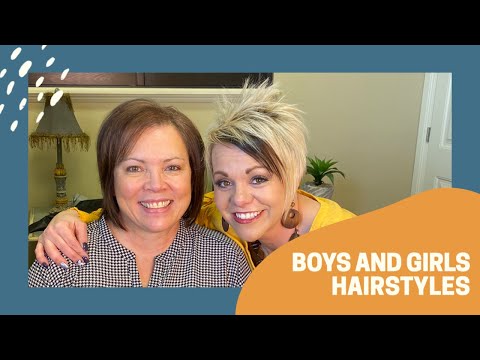
Useful when you want more perimeter than a Pixie and need the haircut to create shape without sacrificing every bit of lower-edge density.
Watch the Bob
A first-person demonstration of root lift, directional drying and lightweight finishing on hair RaDona describes as fine and thin.
Watch RaDona style itWatch the change from starting hair to finished silhouette. The value is not that every woman with thin hair should get this Pixie. It is seeing how much easier the crown becomes to lift once excess length is removed and the shape becomes deliberate.
Haircut family matters less than the tradeoff you are willing to make between lift and perimeter.
| Factor | Pixie | Bixie | Bob |
|---|---|---|---|
| Crown lift | Strongest | Strong | Moderate |
| Temple / side coverage | Lowest unless fringe is longer | Medium to high | Highest |
| Lower-edge density | Less important | Medium | Strongest |
| Styling time | Often shortest | Easy to moderate | Moderate |
| Grow-out | Shows fastest | Forgiving | Most forgiving |
| Best when | You need lift | You need lift + coverage | You need perimeter |
There are no universal bans, but these are the decisions to question when overall density is already low.
If the perimeter is already sparse, layers that continue all the way down can make it look even more transparent.
Texturizing can create lift where density supports it. On low-density areas, it can simply remove more visible hair.
Sometimes the extra inches are the part making the haircut look thinnest. A shorter, stronger density line can read fuller.
Dense creams and oils can collapse the exact root lift a short cut is trying to create.
A haircut photo can look identical from the front but require far more density than you have. Start with references showing similar starting hair.
Thin hair often looks different around the crown, ears and nape. Those angles should be part of the haircut decision.
Thin hair usually responds better to a small amount of lightweight lift than to layers of heavy product.
Dry the root direction before polishing the ends. Once roots dry flat, adding volume later is harder.
Light mousse or root lift for support; a tiny amount of paste only where separation is needed; flexible spray for hold.
If the hair looks full before finishing product, do not keep adding product just because a tutorial uses more.
“My hair is thinner mainly at the [crown / temples / sides / part / ends / all over]. I want a short cut that makes that area look as full as possible. Please keep weight where my density is lowest and only add texture where I have enough hair to support it. I am deciding between a [Pixie / Bixie / Bob / soft stack]. I want [more lift / more side coverage / a stronger perimeter], and I realistically spend about [2 / 5 / 10] minutes styling.”
These are more useful than simply saying “my hair is thin.”
Patty's real-client example shows why thin-hair advice should not automatically mean “go as short as possible.” A compact Bob can keep more visible weight around the lower edge while still removing enough length to stop the hair from hanging flat.
Density, texture, gray pattern, glasses and maintenance can change over time. The haircut should respond to those factors rather than to a birthday alone.
Compare Pixie, Bob, Bixie and longer short cuts before making a major chop.
Women Over 50Move directly into the age + density page if your search is specifically about thinning after 60.
Thin Hair Over 60See short shapes and real clients where density is the central concern.
Thin Fine Hair Over 70Shortening, preserving perimeter and improving root lift can make existing hair look fuller. They do not create new follicles or treat an underlying cause of hair loss. If thinning is sudden, patchy, rapidly worsening, painful, inflamed or otherwise unexplained, a qualified medical professional can help evaluate what is happening.

RaDona Ludlow is a licensed cosmetologist and Utah salon owner who has worked behind the chair since 2000. Her thin-hair advice comes from seeing how real density behaves before the cut, during the haircut and after the client styles it at home.
The key lesson is restraint: thin hair often needs strategic shortness, not indiscriminate layering. Preserve the places where you need visible density. Remove the weight that is flattening the places where you want lift.
The goal is to choose the haircut by density and thinning pattern rather than by trend alone.
Pixies are strong for crown lift, Bixies for lift plus coverage, compact Bobs for lower-edge density and soft stacks for back-of-head shape.
Often, yes. It removes length that can flatten roots, but sparse sides and temples should not be over-thinned.
Yes—especially when the ends look wispy. A compact Bob can preserve the strongest lower perimeter.
Selectively. Use layers where they create useful lift or movement, not automatically through every part of the haircut.
Fine describes strand diameter. Thin describes lower density. You can have one without the other.
It can make existing hair appear fuller, but it cannot biologically increase density or create follicles.
Sudden, patchy, painful, inflamed or unexplained hair loss deserves evaluation by a qualified medical professional.
Use the three-way decision tool.
Pixie vs Bixie vs BobChoose the page that matches the shape you are leaning toward.
Protect the perimeter when the ends are sparse. Shorten the crown when excess length is flattening it. Keep side or fringe length where you need coverage. Then watch a real client with starting density close to yours before choosing the final shape.